Présentation du rapport « Diagnostic du secteur privé »

May 7, 2026

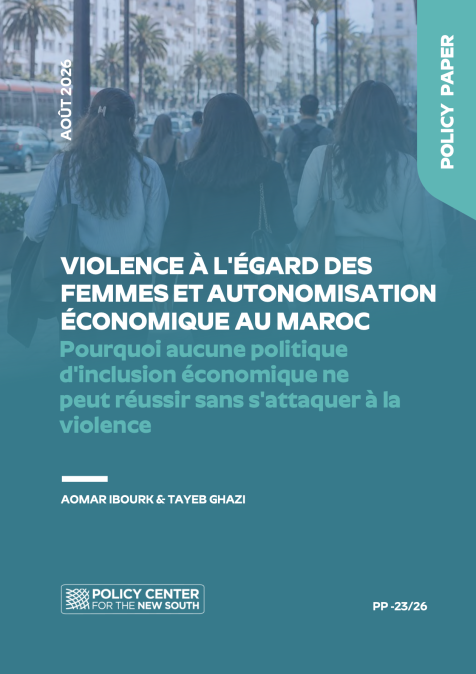
Le rapport de diagnostic du secteur privé au Maroc met en lumière les principaux défis qui freinent encore l’investissement privé et la création d’emplois, malgré les avancées réalisées en matière de stabilité macroéconomique, d’infrastructures et de réformes. Il identifie notamment la complexité réglementaire, le déficit de compétences et le manque de dynamisme des marchés comme des obstacles majeurs à une croissance plus inclusive. Le rapport se concentre sur quatre secteurs à fort potentiel, le solaire décentralisé, le textile bas carbone, l’huile d’argan et les cosmétiques naturels, ainsi que l’aquaculture marine considérés comme des leviers stratégiques pour soutenir la transition verte, renforcer la compétitivité et stimuler l’emploi, notamment pour les jeunes et les femmes.
Speakers
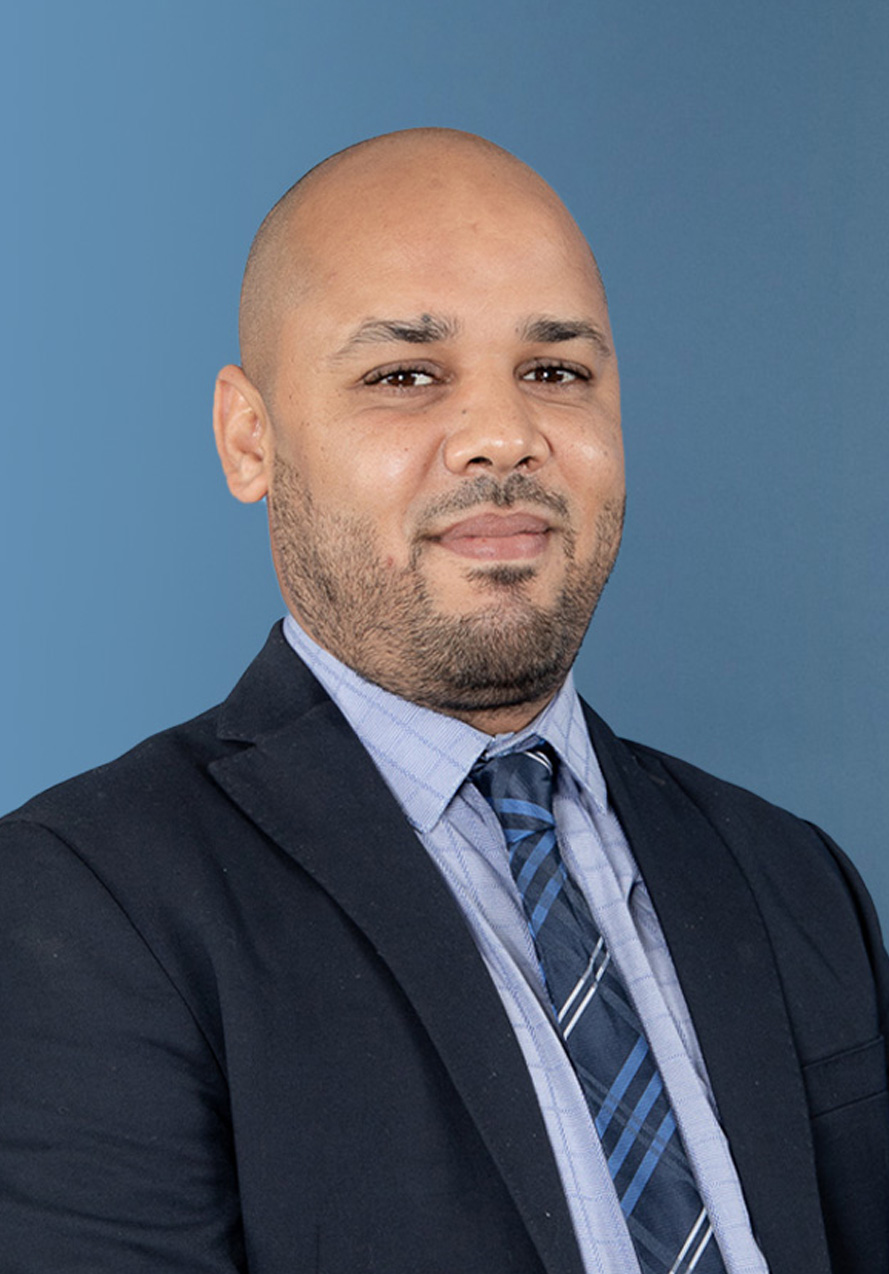
Tayeb Ghazi
Senior Economist
Tayeb Ghazi is Senior Economist at the Policy Center for the New South (PCNS). He is also a member of the Social and Solidarity Economy Research Group at Cadi Ayyad University and holds a master's degree in applied finance from the same university. He is currently working on topics related to labour market, education, migration and some aspects of international trade in developing countries. ...

RELATED CONTENT

  • Authors
    May 13, 2026
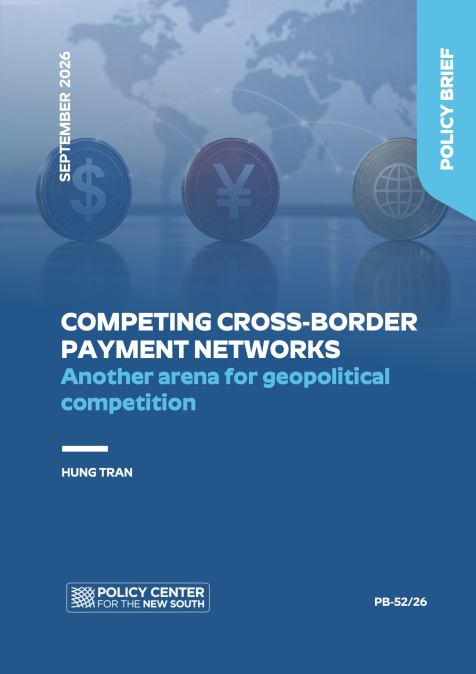
    The passage of the US Genius Act in July 2025 has spurred the growth of stablecoins, mostly dollar-based, helping to modernize and improve payment transactions. The market capitalization of stablecoins increased rapidly to $317 billion in April 2026 and is expected to grow to $3-4 trillion by 2030. While still modest in scale, stablecoins—if fully developed, especially in the face of potentially strong competition from tokenized bank deposits—could have multiface ...
  • Authors
    Liel Maghen
    May 11, 2026
    This Paper was originally published on mitvim.org.il This paper argues that the reconstruction of Gaza will depend not only on the amount of funding mobilized, but on how financing is structured, governed, and anchored within a broader politi`cal context. In a setting shaped by movement restrictions and weak institutions, financial design is not neutral but shapes priorities, distributes power, and determines what can be implemented on the ground. The paper examines the key cha ...
  • May 7, 2026
    Le rapport de diagnostic du secteur privé au Maroc met en lumière les principaux défis qui freinent encore l’investissement privé et la création d’emplois, malgré les avancées réalisées en matière de stabilité macroéconomique, d’infrastructures et de réformes. Il identifie notamment la ...
  • May 5, 2026
    Présentation du rapport « Croissance et emploi au Maroc » par Javier Diaz Cassou, Économiste Senior à la Banque mondiale, qui analyse les dynamiques de croissance de l’économie marocaine et leur impact sur la création d’emplois. Le rapport met en évidence les principaux moteurs de la cr...
  • April 29, 2026
    Cet épisode revient sur la politique monétaire au Maroc, en soulignant sa capacité à maintenir une inflation faible et stable sur le long terme grâce à un cadre macroéconomique solide. Il met en avant le rôle central des réformes institutionnelles et de la Banque centrale dans le renfor...
  • April 10, 2026
    تتتبع هذه الحلقة التاريخ الاقتصادي للمغرب منذ تهميشه في القرن التاسع عشر تحت ضغط القوى الأوروبية، مرورًا بالثنائية الاستعمارية والتنمية التي قادها الدولة بعد الاستقلال، وصولًا إلى برامج التكيف الهيكلي في الثمانينيات. وقد عززت الإصلاحات الأخيرة مرونة الاقتصاد، مع مساهمة قطاعات الزراعة،...
  • Authors
    April 8, 2026
    This report was originally published on the website of the Middle East Institute ( mei.edu) The following study discusses the role of Lebanon’s gold reserves in the establishment of a currency board and evaluates four policy options: a true currency board, constrained central bank reform, full dollarization, and a unified managed float. Gold reserves are relevant under all four. The conclusion is consistent across them: no monetary framework, however carefully designed and howe ...
  • Authors
    April 1, 2026
    We are now in the fifth week since the U.S. airstrike that killed top leaders of the Iranian regime, initiating a war involving the United States and Israel against the country. More than a month of mutual bombardments between Iran and Israel has ensued, extending to other Persian Gulf nations, U.S. military installations—and even Cyprus. From a global perspective, the impact has stemmed primarily from disruptions to regional production of goods and the blockade of the Strait of Hor ...