Marchés de capitaux et marchés financiers : quels leviers de développement au Maroc ?

May 11, 2026

Cet épisode interroge la capacité du Maroc à atteindre ses ambitions économiques avec un système de financement encore largement dominé par les banques. Dans un contexte de besoins croissants en investissement et de transformation du tissu productif, les marchés de capitaux apparaissent comme un levier stratégique pour mobiliser l’épargne, soutenir les entreprises et diversifier les sources de financement. À travers l’analyse de Mohammed Benmoussa, l’épisode met en lumière les réformes et dynamiques nécessaires pour faire des marchés de capitaux un moteur durable de croissance et de compétitivité pour le Maroc.

Speakers
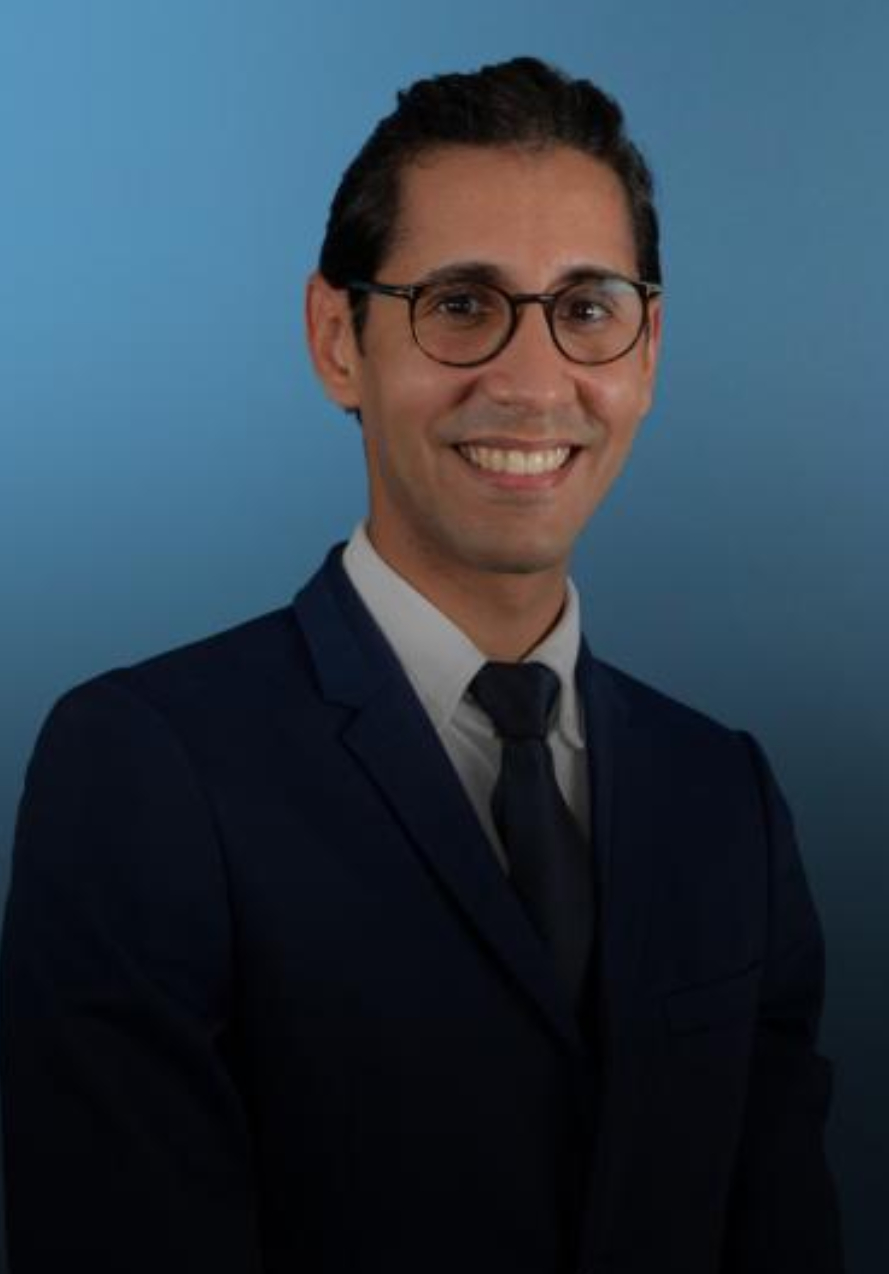
Ahmed Ouhnini
Economist, Policy Center for the New South
Ahmed Ouhnini is an Economist at the Policy Center for the New South. His research area covers agricultural economics, human and social development. Previously, he has worked as a researcher at the Paris School of Economics (PSE) and has also a record of working in consulting services in Morocco. Ahmed holds an engineering Diploma in Agriculture and Rural Development from the National School of Agriculture of Meknes and a Master’s Degree in Law, Economics and Management from the Paris 1 Pantheon Sorbonne Institute of Development. ...
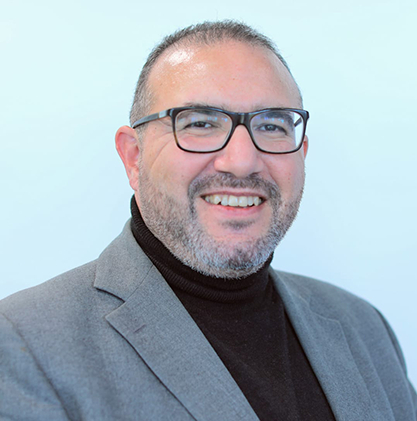
Mohammed Benmoussa
Affiliate Professor, Mohammed VI Polytechnic University, Rabat
Mohammed Benmoussa is a Moroccan economist and senior consultant in economic policy, taxation, and public finance, as well as a former banker and capital market practitioner. He is Professor of Corporate and Market Finance at Mohammed VI Polytechnic University. In December 2019, he was appointed by HM King Mohammed VI to the Special Commission on the New Development Model. He is also President of the Forum of Progressive Economists, President of the Damir Movement and the La Samir Front. He previously served as President of the Brokerage Firms Association and Vice-President of the Casablanca Stock Exchange. ...
RELATED CONTENT

  • Authors
    Saurabh Mishra
    September 1, 2015
    Les fonds souverains, objet de toutes les attentions au cours des années 2000, devraient voir leur rôle de « stabilisateur » de l’économie se renforcer dans les mois à venir, en raison de la chute du prix des matières premières. Ces véhicules d’investissement doivent cependant être coordonnés avec les outils traditionnels de la politique fiscale et ne peuvent affranchir les pouvoirs publics d’effectuer à plus ou moins long terme les ajustements budgétaires que ce nouvel environnemen ...
  • Authors
    July 10, 2015
    Greek Prime Minister Alexis Tsipras has already completed two notable labors. First, he led his radical left-wing Syriza party to an improbable election victory in January 2015. Then, also improbably, he won a resounding no vote in a referendum on July 5 on accepting the terms of Greece’s international creditors for a new bailout package. According to Greek mythology, there are ten more labors to go, and indeed, it will probably take that many to redeem the Greek eco ...
  • Authors
    June 8, 2015
    European stock markets are booming, and the European Commission has just upgraded its GDP growth forecasts for this year and next. In 2016, the eurozone could grow faster than the United States. And this is all happening even as the Greek drama approaches its cathartic moment, leading some to speculate that the euro crisis is nearing its end, with or without Greece. Is it? To answer this vital question, ignore the politics for a moment and focus on economic fundamentals. A look at ...
  • Authors
    Pierre-Richard Agénor
    May 22, 2015
    Cet article examine la formulation, la mise en oeuvre, et la performance des règles budgétaires, avec un accent particulier sur l’expérience des pays en développement à moyen revenu. La première partie propose une définition et une justification des règles budgétaires, ainsi qu’une taxonomie de ces règles. La deuxième partie fournit un panorama des règles utilisées actuellement de par le monde. La troisième partie considère une série de questions liées à la mise en oeuvre des règles ...
  • Authors
    May 18, 2015
    Economic integration is crucial in order to achieve rapid and sustainable growth. However, instabilities in the MENA region and the recent plunge in oil prices may stifle the economic progress in some of these countries, and threaten their attempts at integration. Within this context, this note seeks to analyze the efforts of integration that MENA countries have undertaken, particularly through trade agreements; and to articulate some principles that can help guide the ongoing searc ...