Libya, Iraq, Syria: The Fatal Mistakes of Post-War Governance

February 6, 2025

Post-conflict governance in the MENA region remains a complex challenge, shaped by historical legacies, institutional weaknesses, and external interventions. Libya exemplifies the pitfalls of prioritizing elections over state-building, leading to fragmented authority and prolonged instability. Security sector reform remains a critical yet unresolved issue, hindered by the entrenchment of militias and competing political factions. The Berlin process attempted a multi-track approach, but international coordination remains a challenge. The absence of a national dialogue further exacerbates divisions, with unresolved debates on governance structures and resource distribution. In Syria, post-war reconstruction faces additional hurdles, including the reintegration of refugees, the role of external actors, and the economic transition away from a war economy. Lessons from Iraq and Afghanistan highlight the dangers of dismantling state institutions without clear alternatives. Addressing these challenges requires a holistic approach, balancing political, economic, and security dimensions while fostering inclusive governance models.
Speakers
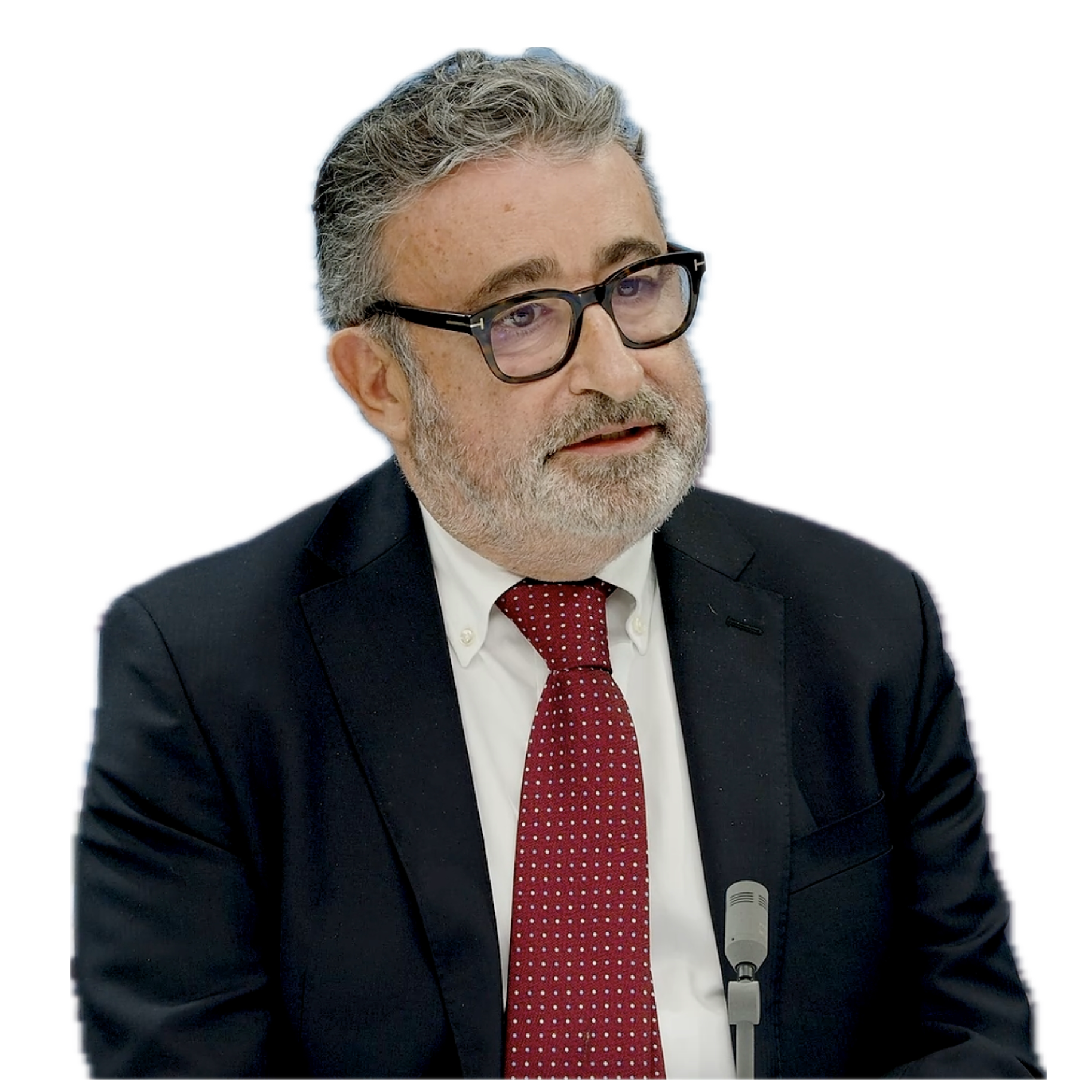
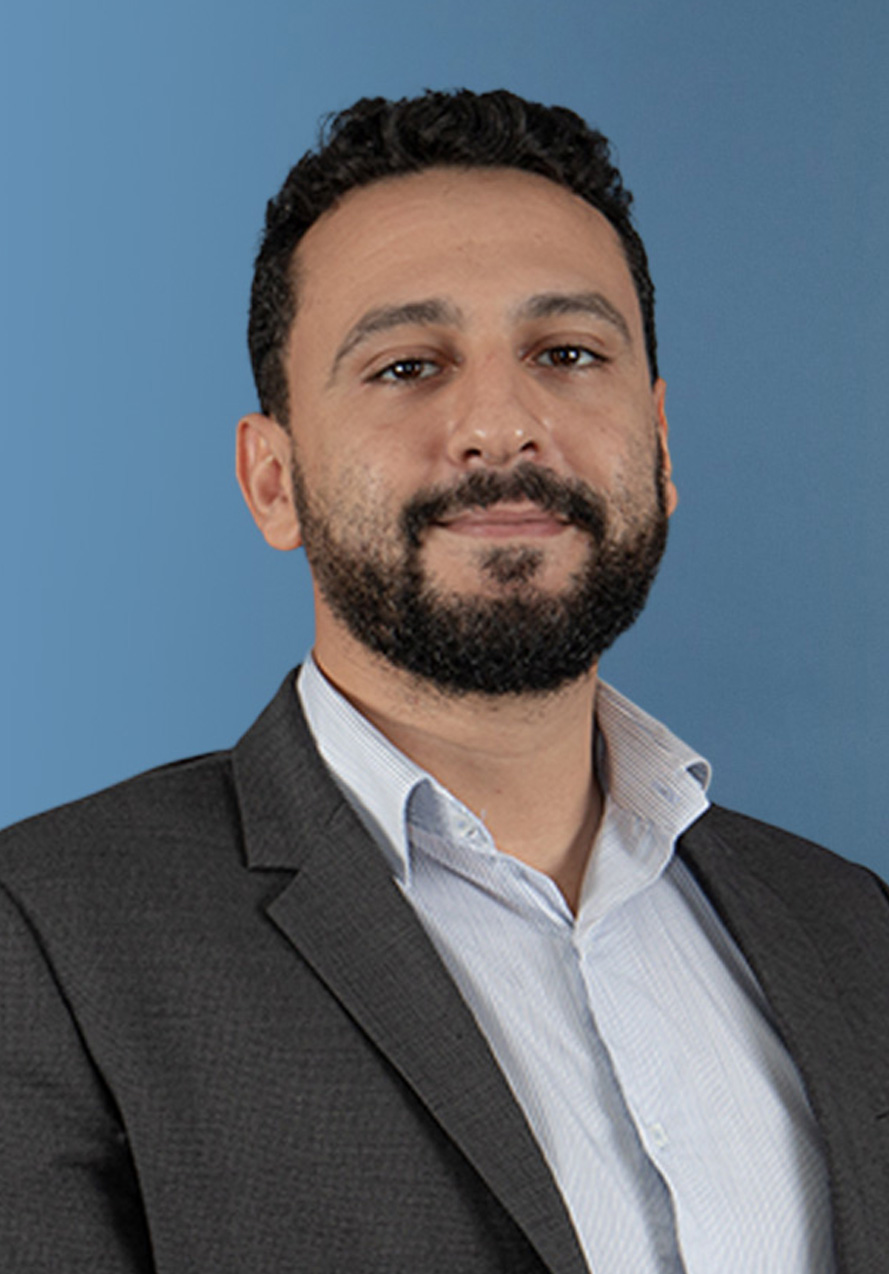
Akram Zaoui
Chargé de Mission to the Executive President
Akram Zaoui is a Senior International Relations Specialist and Chargé de Mission to the Executive President at the Policy Center for the New South (PCNS). Prior to this, he was Manager of Research Support and the Public Policy Lab at the PCNS. His main area of interest is the geopolitical economy of the Extended Middle East and North Africa (MENA) region. From 2018 to 2020, Zaoui was the coordinator of a network of 70+ civil society organizations (CSOs) across France, working with foundations, government, local communities, and the private sector. Zaoui holds a dual degree in corporate and public management from HEC Paris and Sciences Po, as well as a bachelor's degree (licence) in history from Université Paris 1 Panthéon-Sorbonne. He audited courses in Iranian and Shia Stud ...
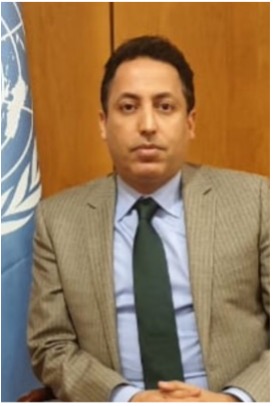
Younes Abouyoub
Morocco, Usa
Director of Governance, State-Building and Conflict Prevention for the MENA Region, United Nations
Younes Abouyoub is a senior United Nations official with a long experience in conflict resolution, peacebuilding, governance, and sustainable development. He previously worked as the Director of the political office of the UN Under-Secretary General for Conflict Prevention; Senior political advisor to the UN Secretary General Special Envoy to Burundi. He directed the political office of the UN Secretary General Special Envoy to Yemen and acted as his Senior special advisor. Among several other positions with the United Nations, Mr Abouyoub was also the senior political officer in charge of the regional affairs in the UN political mission to Libya (UNSMIL), and Senior Regional Expert in the Un Security Council Panel of Experts on Sudan (Darfur). He has also worked in different ...
Luigi Narbone
Director, Mediterranean Platform & Professor of Practice, Luiss Guido Carli University
...

RELATED CONTENT

  • April 24, 2026
    Pendant longtemps, la sécurité du Sahel reposait sur les dispositifs militaires occidentaux qui ne sont pas parvenus à juguler la menace jihadiste, démontrant ainsi les limites d’un modèle de coopération fondé sur la dépendance logistique et doctrinale envers les partenaires étrangers. Les trois États sahéliens ont décidé de rompre avec ce système et de construire « une souveraineté sécuritaire intégrée » Cette orientation s’est affirmée dans un contexte d’ouverture à de nouvea ...
  • April 16, 2026
    Gulf countries are increasingly shaping Africa’s political and economic landscape through investments in infrastructure, energy, and strategic sectors. Their flexible, capital-driven approach and strong political ties distinguish them from traditional partners. While creating opportunit...
  • Authors
    April 10, 2026
    On February 10, 2026, the European Parliament endorsed an asylum reform that expands the use of the ‘safe third country’ concept and introduces a common European Union list of ‘safe countries of origin’. This reform represents more than a technical adjustment of asylum procedures, as it signals a structural reorientation of EU asylum governance toward faster filtering of claims and greater reliance on external actors.The concept of a safe third country already exists in European asy ...
  • April 2, 2026
    In this episode of Africafé, the discussion explores the evolving dynamics of China–Africa relations, highlighting their strategic, economic, and political dimensions. Featuring Dr. Ana Cristina Alves, the conversation unpacks how this partnership has shifted over time—from resource-dri...
  • March 27, 2026
    Sous Trump II, la conflictualité s’affirme moins comme un simple effet de la polarisation partisane que comme un principe d’organisation de l’exercice du pouvoir. À partir des prises de parole présidentielles, ce Papier montre comment des enjeux distincts, tels que l’immigration, la fraude, la sécurité, les controverses culturelles ou les rivalités internationales, sont intégrés dans une même architecture discursive orientée vers la restauration de l’ordre. La conflictualité y appar ...
  • March 18, 2026
    Le premier sommet des BRICS, tenu à l’initiative de la Russie en 2009, sera suivi de 16 autres, le dernier étant celui de Rio dont les travaux se sont déroulés les 6 et 7 juillet 2025. Jusqu’en 2022, un seul élargissement est intervenu, celui accueillant l’Afrique du Sud, transformant les BRIC en BRICS. À partir de 2023, en revanche, trois sommets, ceux de 2023, 2024 et 2025, vont se solder par la transformation des BRICS en BRICS+5, accueillant 5 nouveaux pays membres, en ...
  • March 5, 2026
    This episode of Africafé explores the evolving dynamics of US-Africa relations, tracing their historical shifts from Cold War and War on Terror engagements to today’s focus on trade, investment, and strategic partnerships. Dr. Ian Lesser highlights how Africa’s role in US foreign policy...