Les Mardis du PCNS 19/01/2021 : إفريقيا في خضم الانتخابات الرئاسية

January 19, 2021

عرفت القارة الإفريقية تنظيم عدد من الانتخابات الرئاسية خلال السنة الفارطة كما تم تأجيل عدد منها كذلك لهاته السنة، ويأتي ذلك وسط تداعيات جائحة كورونا التي ضربت معظم الدول الأفريقية. من بين مراحل العملية الانتخابية، هناك مرحلة أساسية وهي تعبئة الموارد. واجهت الدول الأفريقية دائمًا صعوبات في تعبئة الموارد لإجراء الانتخابات في الظروف المثلى. وبسبب جائحة كوفيد19، تمت إعادة تأهيل معظم ميزانيات الدول الأفريقية من خلال قوانين المالية التصحيحية أو من خلال تمكين القوانين التي تمنح صلاحيات كاملة للسلطة التنفيذية في الخيارات والتوجهات التي سيتم تحديدها في مواجهة الوباء. من الواضح أن الانتخابات لن تكون في نفس المركب عندما يتعلق الأمر بالأولويات في التخطيط المالي. وبالتالي، فإن التحدي المتمثل في تعبئة الموارد لإجراء الانتخابات بحلول الموعد النهائي لا يزال يمثل تحديا هاما. لتسليط الضوء على المخاطر، تُجرى غالبية الانتخابات في إفريقيا في عامي 2020 و 2021 في البلدان التي تشهد صراعًا أو الخارجة من الصراع، ولا سيما بوركينا فاسو وبوروندي وجمهورية إفريقيا الوسطى وكوت ديفوار، إثيوبيا والنيجر والصومال. تواجه هذه البلدان أزمات ناجمة عن حركات التمرد المتطرفة المسلحة وتحديات بناء رؤى وطنية شاملة. لذلك، فإن الصلة الوثيقة بين الحكامة والأمن في أفريقيا ستكون أكثر وضوحا في هذا السياق. فكيف يتم ضمان الترابط بين الانتخابات والأمن والتنمية؟ ما هي العوامل التي تخاطر بتقويض العملية الانتخابية في أفريقيا؟ وكيف تشكل المخاطر الأمنية تهديدا لإجراء العملية الانتخابية؟ ثم هل إجراء الانتخابات في مثل هذا السياق من الأزمات (الصحة والأمن) يساعد في تخفيف التوترات السياسية والاجتماعية والأمنية أم أنه يغذيها ؟ ما هو تأثير تأجيل الانتخابات على الاستقرار في المنطقة ؟ هل يمكن أن تحل الانتخابات القادمة المشكلة أم أنها تتطلب عملية سياسية لا تقوم فقط على الانتخابات ولكن على المصالحة الوطنية أو الوساطة من قبل الاتحاد الأفريقي أو الأمم المتحدة؟ يمثل وباء كوفيد 19 تحديًا إضافيًا للعمليات الانتخابية في إفريقيا. هناك مخاوف في بعض البلدان من إجراء الانتخابات، بينما من الضروري في نفس الوقت ضمان سلامة المواطنين. مع التهديد المنتشر لوباء كوفيد 19 ، هل سيستمر المجتمع المدني والسكان ككل في حشد جهودهم على الرغم من التهديد الصحي؟ ماذا عن المشاركة السياسية لفئة الشباب والنساء في الانتخابات الإفريقية؟ هل أثر الوضع الصحي على مشاركتهم؟ هل تشير الأرقام إلى بزوغ وجه جديد أكثر إدماجا للقارة الإفريقية؟ ثم ماذا عن مواجهة النزاع المسلح والجهود الواضحة بشكل متزايد من قبل الجهات الخارجية ووقعها على الانتخابات في إفريقيا؟ ما هو دور الأجهزة الأمنية وقادة المجتمع المنتخبين والمؤسسات المشاركة في إجراء الانتخابات في التعامل مع العنف الانتخابي؟ انطلقت الحملات الرئاسية في معظم الدول الأفريقية فيما منعت بعض الدول التجمعات ليتجه مسؤولو الحملات الرئاسية والأحزاب الأفريقية الى وسائل الأعلام والتواصل الاجتماعي للتواصل مع الناخبين وتوصيل صوتهم عبر المنصات المختلفة وفقا لتداعيات الوباء. مع اتصال القارة بالإنترنت، يزداد خطر التلاعب الرقمي، بشكل أساسي من خلال وسائل التواصل الاجتماعي. كيف يمكننا التعامل مع هذا التهديد الذي يبدو أكثر خطورة لأنه غالبًا ما يمر دون التدقيق في تداعياته، خاصة الأخبار المزيفة؟ المسيرة: إيمان لهريش، مسؤولة عن البرامج بمركز السياسات من أجل الجنوب الجديد المتدخلون: خالد الشكراوي، باحث بارز بمركز السياسات من أجل الجنوب الجديد عبد الحق باسو، باحث بارز بمركز السياسات من أجل الجنوب الجديد
Speakers
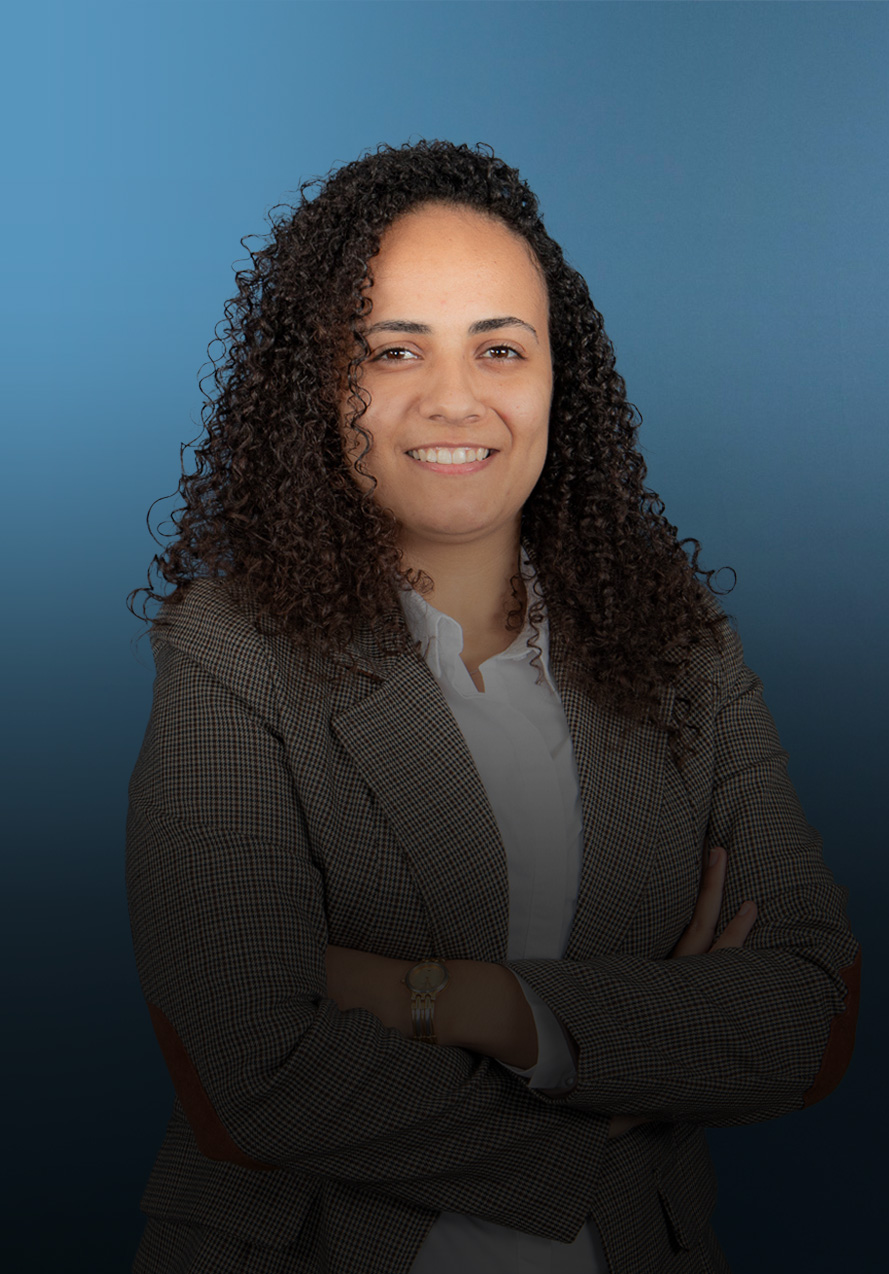
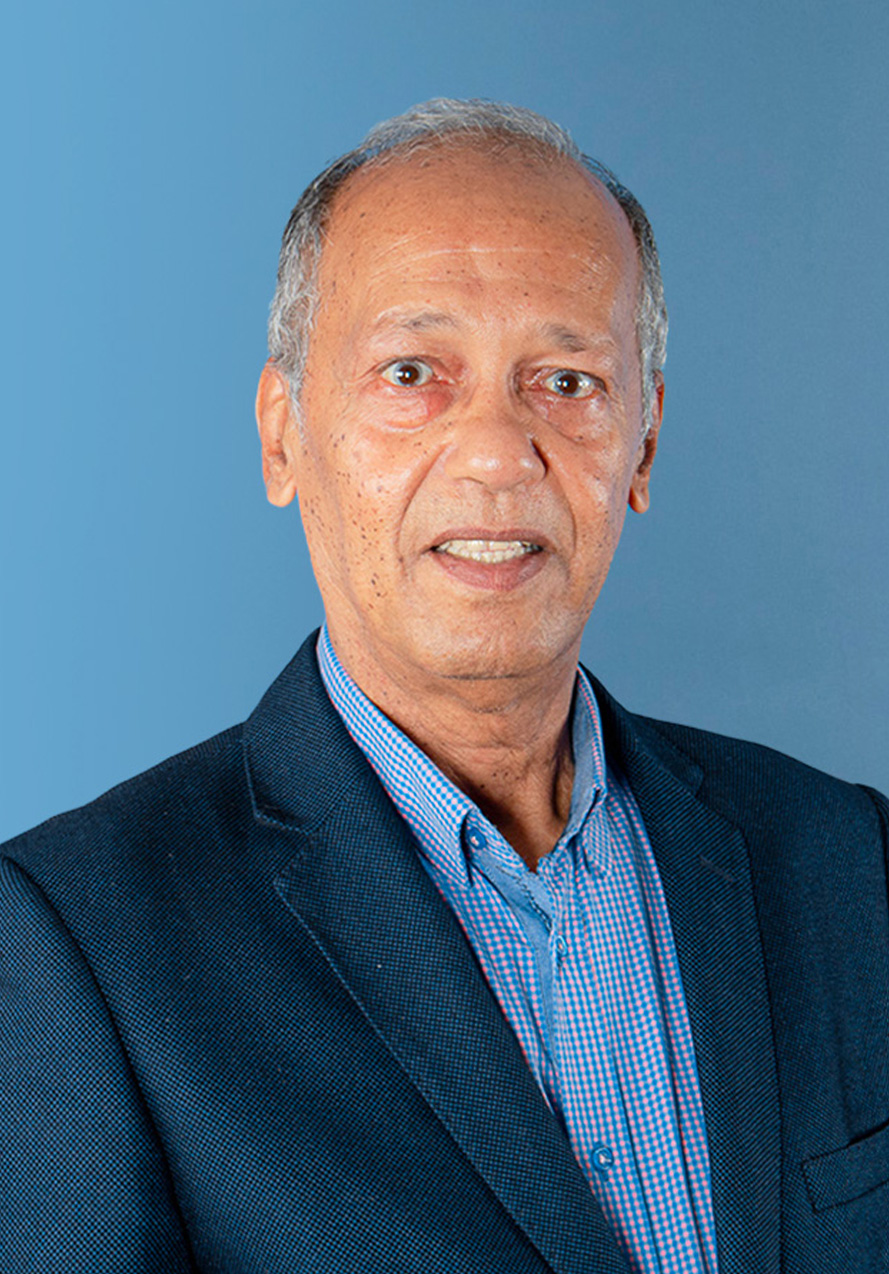
Abdelhak Bassou
Senior Fellow
Abdelhak Bassou is a Senior Fellow at the Policy Center for the New South and a non-resident senior fellow at the Atlantic Council’s Africa Center. He is also an Affiliate Professor at Mohammed VI Polytechnic University. Bassou has had an extensive career in Moroccan National Security, where he served in various capacities including as head of the border division from 1978 to 1993. He was the former director of the Royal Institute of Police in 1998 and served as Head of Regional Security (Errachidia 1999-2003, Sidi Kacem 2003-2005) and as Central Director of General Intelligence from 2006 to 2009.   He holds a master's degree in political science and international studies from the Faculty of Law, Economics, and Social Sciences in Rabat. His academic research delves into ...
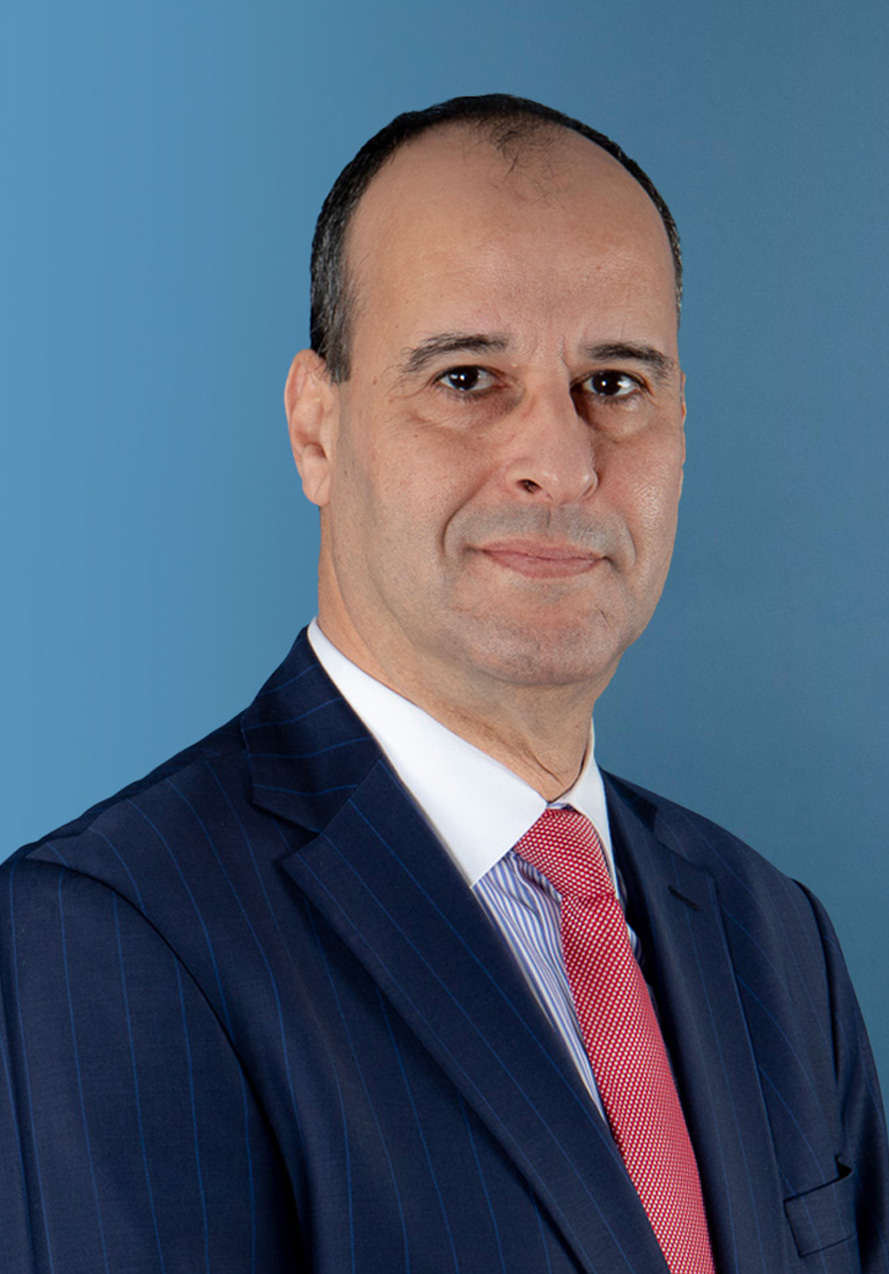
Khalid Chegraoui
Senior Fellow
Khalid Chegraoui is Senior Fellow at the Policy Center for the New South and Vice Dean of Political Sciences and International Relations at the Faculty of Governance, Economic and Social Sciences of the Mohammed VI University.  He began his teaching and research career in 1992 as a Research Assistant Professor at Sidi Mohammed Ben Abdallah University in Fez after earning his first doctorate in African Studies from the Mohammed V University in Rabat focusing on West Sub-Saharan Africa. He also earned a Doctorate of State in African Studies from the same University in 2002, where he focused on Contemporary West Africa, in 2003 he became Professor of History and Political Anthropology at the Institute of African Studies, Mohammed V University, consultant on African and Midd ...

RELATED CONTENT

  • May 22, 2015
    Le Maroc dispose d’un espace maritime stratégique grâce auquel il peut renforcer ses attributs de puissance. Cet atout géopolitique et économique doit être porté par une véritable ambition nationale maritime. Quels sont les défis sécuritaires à surmonter et quelles sont les opportunités qui s’offrent aux Maroc sur le plan géopolitique? Autant de questions qui interpellent pouvoirs publics et think thanks nationaux. A ce titre, OCP Policy Center organise un Colloque sur la ...
  • Authors
    April 30, 2015
    Pour une économie ouverte, l’analyse des échanges internationaux recèle une importance capitale pour analyser ses perspectives de croissance. Bien des décisions individuelles portant sur la consommation, l’épargne et l’investissement sont, en effet, liées aux termes de l’échange. L’évolution de ces derniers, définis comme le rapport entre les prix à l’exportation et ceux à l’importation, est considérée comme un indicateur du pouvoir d’achat d’un pays et constitue une variable fort ...
  • Authors
    Ezana Bocresion
    April 23, 2015
    We finished Part I - Solving the Capital Formation Issue with a question? How should institutional investors go about looking for the best partners to help them make successful investments in Africa; and fundamentally, the real question to ask is, what are the variables required for building successful investment platforms in Africa? Whenever one meets with an allocator from an institutional investor to discuss an allocation to an Africa strategy, the first question on th ...
  • Authors
    March 25, 2015
    The strategy to vertically integrate mining producers requires the identification of the right conditions for its financing. Many approaches are possible and the technique of securitization, although widely stigmatized since the financial crisis of 2008, must be considered. Several conditions are however necessary. It is unlikely that the off-balance sheet securitization is currently positioned as an important means to finance this sector’s production capacity. Whatever the scope of ...
  • Authors
    Ezana Bocresion
    March 16, 2015
    Over the next couple of months, we want to explore the investing climate in Sub Saharan Africa (“SSA”) and try to understand where it is and what elements/variables are required to increase the continent’s attractiveness to institutional investors and thereby speed up the continent’s development. We will discuss the Private Equity industry in Africa and delve into the challenges faces. We will then work through how best to address them, and in particular, in the Agribusiness sector. ...
  • Authors
    Lea Metke
    March 13, 2015
    Le 2 décembre 2014, l’Institut français des relations internationales (Ifri) et l’OCP Policy Center ont organisé un séminaire intitulé « Des émergents au défi du retour de la géopolitique : regards croisés économiques et géopolitiques » à Rabat. Intervenants et experts se sont réunis pour discuter du rapport entre émergence et puissance à travers plusieurs études de cas: Chine, Russie, Turquie et Maroc. Chine : une puissance qui peine à s'assumer Après la crise ...
  • Authors
    Benjamin Augé
    March 6, 2015
    L'appétit des pétroliers pour l'Afrique de l'Est a bien changé depuis 2006, où les premières découvertes en Ouganda ont été mises au jour. Il reste cependant encore difficile, pour un grand nombre d'investisseurs qui s'intéressent à cette région, d'appréhender l'ampleur du phénomène. Cette note permettra notamment de revenir sur la localisation des réserves, leurs volumes, le moment où elles seront développées, ce à quoi elles serviront et les freins à leur développement. Outre l'Ou ...
  • Authors
    Benjamin Augé
    March 6, 2015
    The position of oil companies toward East Africa has changed considerably since 2006 when the first reserves in Uganda came to light. However, for many investors interested in the region, it remains difficult to get a clear picture of the scale of developments of this sector. This paper will discuss the locations of reserves, their volumes, when they will be developed, what they will be used for, and possible impediments to their development. In addition to Uganda, Kenya, Tanzania a ...