Les Mardis du PCNS - 08/12/2020 : محاربة العنف القائم على النوع الاجتماعي: بين المكتسبات والصعوبات

December 8, 2020

اكتسبت حملة الستة عشر يوماً العالمية لمناهضة العنف القائم على النوع الاجتماعي والتي أطلقها مركز القيادة العالمية للمرأة في معهده العالمي الأول للقيادة النسائية في عام 1991 قوة جذب في أكثر من 187 دولة بمشاركة أكثر من 6,000 منظمة. إذ أن العنف القائم على النوع الاجتماعي من المشاكل الواسعة انتشارا فيما يخص حقوق الإنسان الدولية والصحة العامة، لكن التدخلات لمنعه ومواجهته بطريقة مناسبة ومميزة وفعالة غير كافية في معظم بلدان العالم. حتى قبل أن يجتاح العالم فيروس كوفيد-19، وصل العنف ضد النساء والفتيات إلى مستويات تصل حد الجائحة. على الصعيد العالمي، 243 مليون امرأة وفتاة تعرضن لسوء المعاملة على يد الشريك في العام الماضي. وفي الوقت نفسه، فإن أقل من 40 في المئة من النساء اللائي يتعرضن للعنف يبلغن عنه أو يطلبن المساعدة. مع قيام البلدان بتنفيذ تدابير الإغلاق للحد من انتشار فيروس كورونا، اشتد العنف ضد المرأة، وخاصةً العنف المنزلي - ففي بعض البلدان، زادت المكالمات الواردة إلى خطوط المساعدة خمسة أضعاف. وفي حالات أخرى، انخفضت التقارير الرسمية عن العنف الأسري حيث تجد الناجيات صعوبة في طلب المساعدة والحصول على الدعم من خلال القنوات المعتادة. ليس هذا فحسب بل أدى إغلاق المدارس والضغوط الاقتصادية إلى جعل النساء والفتيات أكثر عرضة للعنف والهشاشة. كيف يمكن تعريف العنف القائم على النوع الاجتماعي؟ وكيف تتمثل أبعاده في واقعنا وحياتنا اليومية؟ ما هي المكتسبات التي تم تحقيقها على المستوى الوطني إلى اليوم وماذا عن مدى تفعيلها وصعوبات ضمانها في المجتمع؟ ما هي رهانات المرأة والمجتمع بكل مكوناته لإدراج مقاربة النوع بشكل متقاطع في كل المجالات وعدم اعتبار هذه المقاربة كحقل منفصل خاصة في ظل هذه الأزمة وترتباتها مستقبلا؟ كيف يمكن للمنظمات المدنية المهتمة بقضايا النوع الاجتماعي، المساهمة في جهود الدولة والمؤسسات الدولية من أجل محاربة العنف القائم على النوع الاجتماعي؟ وما هي الدروس المستخلصة من الجائحة؟
Speakers
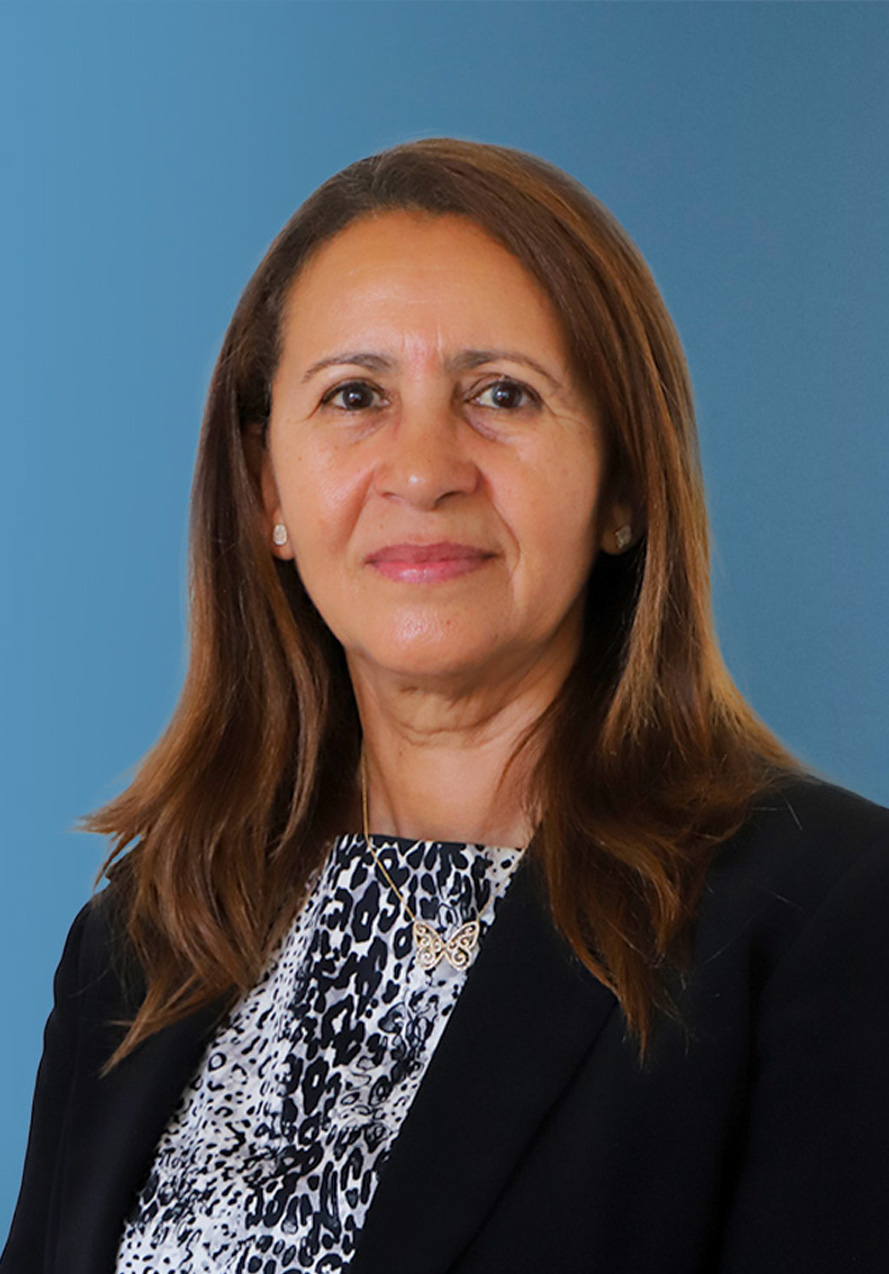
Nouzha Chekrouni
Senior Fellow
Dr. Nouzha Chekrouni is a Senior Fellow at the Policy Center for the New South. She has extensive experience in academia, diplomacy and political leadership.  She has served as His Majesty’s Ambassador to Canada (2009-2016), and Dean of the Council of Arab League Ambassadors to Canada (2015-2016). Dr. Chekrouni was Minister for the Moroccan Community Living Abroad (2002-2007), a Member of Parliament (2002-2007), and the Minister for Women and Social Issues (1998-2002). She holds a Bachelor Degree from the Philological Faculty at the University of Fez, a Post-Graduate Diploma and a PhD in Linguistics from the Université Sorbonne Nouvelle in Paris. Dr. Chekrouni has also completed a Certificate in Ethics and International Relations at Harvard University. She is a 2016 Sen ...

RELATED CONTENT

  • June 30, 2026
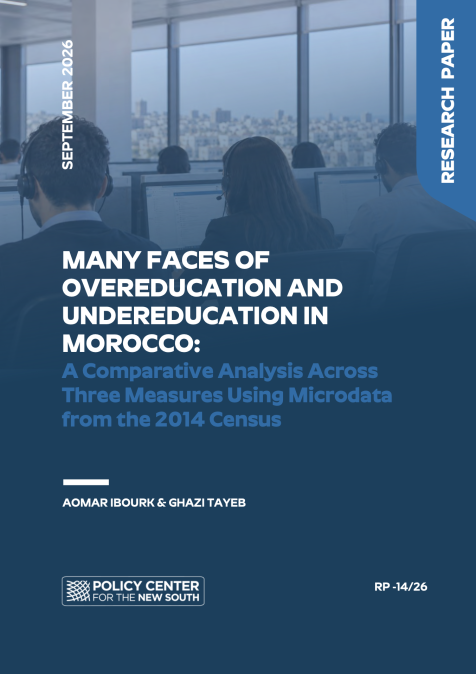
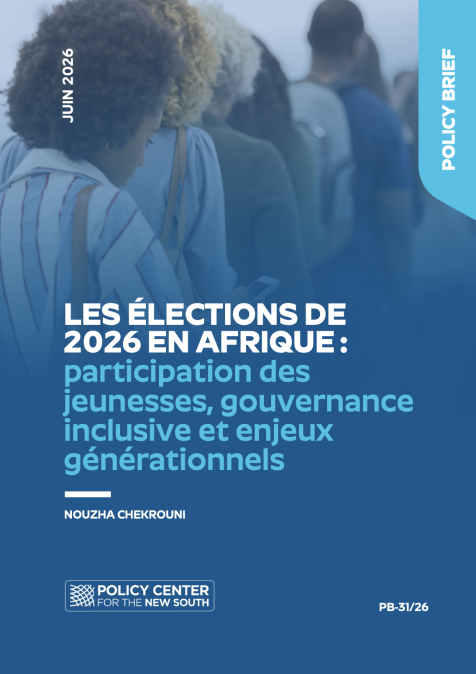
    Globally, public policies for youth face a twofold challenge: addressing structural socioeconomic challenges—such as unemployment, precariousness, and regional disparities—while accommodating a growing demand for effective civic participation. (ILO, 2023; United Nations, 2020) In Africa, this challenge takes on a unique dimension given the demographic weight of the youth population and the persistent fragility of local democracies. (AfDB, 2020; Mo Ibrahim Foundation, 2023)Elections ...
  • June 30, 2026
    À l'échelle mondiale, les politiques publiques de jeunesse sont confrontées à un double enjeu : répondre à des défis socio-économiques structurels; chômage, précarité, fractures territoriales, tout en intégrant une demande croissante de participation citoyenne effective. (OIT, 2023 ; Nations Unies, 2020) En Afrique, ce défi revêt une dimension singulière compte tenu du poids démographique de la jeunesse et des fragilités persistantes des démocraties locales. (BAD, 2020 ; Mo Ibrahim ...
  • June 26, 2026
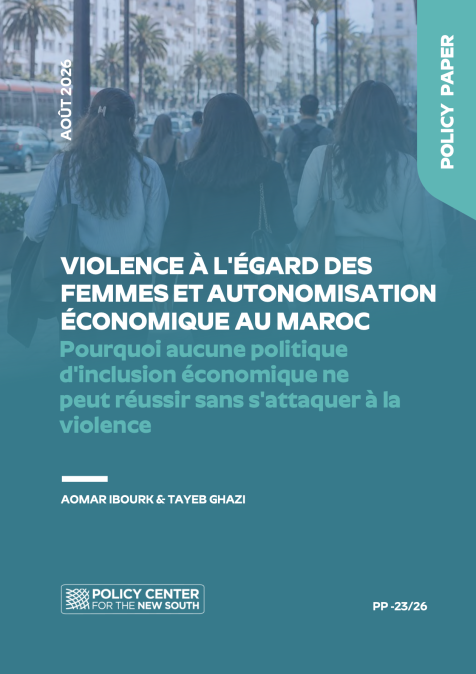
    Three years after the adoption of the first National Action Plan (NAP) on the Women, Peace and Security (WPS) Agenda, Morocco has made real institutional progress, but implementation is still inadequate. The extension of the NAP opens a window of opportunity to prepare a second, more ambitious and operational cycle.This Policy Brief identifies four persistent obstacles: a virtually stagnant female employment rate of 19.1%, less than 3% female representation in peacekeeping contingen ...
  • May 20, 2026
    La participation des femmes au marché du travail au Maroc demeure l'un des défis les plus structurels du développement économique et social du pays. Avec un taux d'activité féminin de seulement 19 % en 2023, contre 69 % pour les hommes (HCP, 2024), le Maroc présente l'un des écarts de genre les plus prononcés parmi les économies en développement (Banque mondiale, 2024). Ce Research Paper propose une analyse économétrique rigoureuse et multiniveaux des déterminants de cette participa ...
  • Authors
    Hajar Kabbach
    May 11, 2026
    Closing Morocco's gender employment gap could increase GDP per capita by 40-50 percent; yet female labor force participation stands at just 19 percent—among the lowest in the world and still declining. This policy paper argues that investing in the care economy is not merely a social expenditure, but a productive economic strategy with measurable returns. Drawing on international evidence from Uruguay, Mexico, Colombia, and India, the brief demonstrates that well-designed care syste ...
  • April 30, 2026
    This Africafé episode features Patience Chiradza from the African Union, discussing the critical role of African women in governance and peacebuilding.  It highlights existing frameworks like the Maputo Protocol and acknowledges progress, while emphasizing persistent barriers such ...
  • April 28, 2026
    Cet épisode met en lumière les dynamiques de genre au Maroc, en soulignant l’écart entre les avancées juridiques et leur application concrète. Il aborde la baisse de la participation des femmes au marché du travail, liée à des contraintes multiples, ainsi que la faible reconnaissance du...
  • April 13, 2026
    Cette interview met en lumière les inégalités de genre persistantes au Maroc, malgré des avancées institutionnelles notables. Elle analyse les écarts dans l’accès à l’éducation, à l’emploi, à la santé et à la participation politique. À travers l’intervention de Fatima Mourd, elle soulig...
  • April 9, 2026
    Trois ans après l'adoption du premier Plan d'Action National (PAN) sur l'Agenda Femmes, Paix et Sécurité (FPS), le Maroc affiche des avancées institutionnelles réelles mais une mise en œuvre encore insuffisante. L'extension du PAN ouvre une fenêtre d'opportunité pour préparer un second cycle plus ambitieux et opérationnel.Ce Policy Brief identifie quatre obstacles persistants : un taux d'activité féminine de 19,1% en quasi-stagnation, une représentation des femmes inférieure à 3% da ...