Les Mardis du PCNS 02/06/2020 : نقاش عبر الويب: دور وسائل التكنولوجيا الحديثة في ظل أزمة كورونا

June 2, 2020

بعد تفشي فيروس كورونا المستجد في جل مناطق العالم، اختلفت طرق التصدي له من دولة إلى أخرى. حيث اعتمدت الدول قرارات متفاوتة من حيث الصرامة في ظل الحد من تفشي هذا الوباء. وفي نفس الصدد، اتُخذت عدة قرارات لدعم المواطنين لكي يتاح لهم المرور من هذه الأزمة بأقل الأضرار الممكنة حيث تم الاعتماد بشكل غير مسبوق على وسائل التكنولوجيا الحديثة للمرور من هذه الأزمة واستكمال سير مجموعة من الأوراش والقطاعات. نظرا لحالة الطوارئ الصحية التي تم تفعيلها لمواجهة جائحة فيروس كورونا، اعتمدت عدة إدارات الأداة الرقمية لتشجيع العمل عن بُعد وتقليص التبادل المادي للمراسلات والوثائق الإدارية تفعيلا للبرنامج الحكومي في شقه المتعلق بإصلاح الإدارة وتحسين جودة الخدمات العمومية وتقريبها من المواطن. كما جاء قرار استكمال التعليم عن بُعد في طليعة الحلول التي يُمكن بها تخطّي قرار الحظر الكلي الذي فرضه عدد كبير من الدول بما فيها المغرب. وهو ما فرض تحديات تتمثل في مدى إمكانية استخدام كافة طلاب المدارس للإنترنت، ولا سيما مع تحديات البنية التحتية التكنولوجية لمواصلة التعليم في هذه الظروف. من جهة أخرى، أصبح التسوق عبر الإنترنت أكثر من مجرد خيار بالنسبة للكثيرين، في ظل الإجراءات المتخذة لمواجهة انتشار وباء كورونا ما فتح مجالاً واعداً لنمو قطاع التجارة الإلكترونية في الوقت الحالي إذ ربما يشكل انتشار فيروس كورونا نقطة تحول فاصلة في تاريخ التجارة الإلكترونية، خاصة مع اتجاه عدد كبير من المستهلكين إلى مواقع التجارة الإلكترونية وهو ما يدفع إلى توقعات بانتعاش هذا القطاع والنمو الاقتصادي إجمالا. وهنا نتساءل أي دينامية أبرزتها الأزمة الصحية الحالية في ولوج مختلف القطاعات والمرافق العمومية إلى الرقمنة؟ إلى أي مدى يمكن لهاته الأخيرة أن تحل محل الآليات الكلاسيكية لضمان سيرورة الاشتغال في المغرب؟ ما تحدياتها ورهانات نجاحها؟ وهل سيستمر زخم استعمال وسائل التكنولوجيا الحديثة فيما بعد الجائحة بهذه الحدة أم أن هذه الدينامية تخص فقط التدابير المتخذة في تقليص إشكالات وترتبات الحجر الصحي على مختلف المستويات؟ المسيرة: إيمان لهريش، مسؤولة عن البرامج، مركز السياسات من أجل الجنوب الجديد المتدخلون: عزيز اجبيلو، الكاتب العام للشؤون العامة والحكامة، وزارة الاقتصاد والمالية والإصلاح الإداري آدم بوهدمة، مؤسس المنصة الإلكترونية التعليمية قرايتي مهدي علوي، نائب رئيس فيدرالية تكنولوجيا المعلومات والاتصالات والافشور

Speakers
Imane Lahrich
Head – Research Valorization
Imane Lahrich is the Head of Research Valorization Department, having previously served as a Partnerships & Research Support Officer at the Policy Center for the New South since 2019. She mainly worked on security-development related projects. She has experience as a Project Manager in a Strategic Intelligence firm (2017-2019) and as a research consultant in the MENA region, focusing on international development and the Rule of Law. Imane Lahrich holds a Master's in Political Studies and a Bachelor's in Political Science from Mohammed V University of Rabat. She also participated in a one-year exchange program at Masaryk University in the Czech Republic under the EMMAG MUNDUS Excellence scholarship.     ...
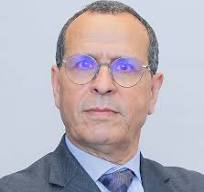
Aziz Ajbilou
Secrétaire général, Ministère des affaires générales et de la gouvernance
...
Mehdi Alaoui
Vice-président, Fédération marocaine des technologies de l’information, des télécommunications et de l’offshoring (Apebi)
...

RELATED CONTENT

  • Authors
    Alessandro Minuto-Rizzo
    Alessandro Politi
    Claire Spencer
    Abdulaziz Sager
    Mahboub E. Hashem
    Matt Herbert
    Umberto Profazio
    Eman Ragab
    Brahim Oumansour
    Ashraf Mohamed Keshk
    Jean-Loup Samaan
    Ahmad Masa’deh
    Giovanni Romani
    November 11, 2021
    Since its very beginning in 2011, the Middle East and Deep Maghreb have been a fundamental priority for the Foundation. As this year marks the 10th anniversary of the Arab uprisings, our Dossier wants to provide a meaningful understanding of the future dynamics of an area that, despite several positive attempts, is still affected by major instability. Gathering the perspectives of a pool of distinguished regional and international analysts, this publication dives into the socio-econ ...
  • Authors
    October 21, 2021
    In the World Economic Outlook, published October 12, the International Monetary Fund (IMF) slightly lowered its forecast for global economic growth this year to 5.9%, while maintaining a forecast of 4.9% for 2022. It also emphasized the “divergence” in the pace and extent of economic recovery in different countries. Two factors are highlighted in explaining the divergence. First, there are the different paces and extent of vaccination in different countries, that is, the ‘Great Vac ...
  • June 11, 2021
    Inequality is nowadays one of the most important issues facing many economies around the world, not only in developing countries but also in advanced and emerging ones. Today, there is a ...
  • May 27, 2021
    En partenariat avec l’ISCAE Dans le cadre de la pandémie de COVID-19, le dialogue entre citoyens, scientifiques et décideurs politiques et la répartition de leurs rôles au sein de la société ont été un élément déterminant dans les réponses apportées à cette crise. Dans chaque pays, la c...
  • April 26, 2021
    La Tunisie a fêté récemment le 10ème anniversaire de la révolution qui a mis fin à l’ancien régime bénalien et défini les principes de la IIème République. Ayant pour principales doléances la croissance économique et la justice sociale, la révolution tunisienne était exclusivement sociale. Or, l’appropriation de la révolution par l’Assemblée nationale constituante (ANC) et le quartet du dialogue national qui ont privilégié le chantier des réformes démocratiques au détriment des réfo ...
  • Authors
    March 24, 2021
    This report is part of a partnership between the Policy Center for the New South and the Atlantic Council’s Africa Center.   New technologies, such as automation, artificial intelligence and industrial robots, are often seen as a real danger for existing jobs and also for future job-creation prospects. There is a perception that they will make work redundant and lead to massive job destruction. However, others believe that automation, like previous technological waves , ...
  • March 3, 2021
    Brazil, an oil-exporting nation, was still struggling to recover from the depression which started around 2014/15 when it was hit by a quick succession of shocks: the COVID-19 pandemic and the oil price collapse. The global pandemic triggered major economic dislocations and contractions in foreign and domestic markets, which further exacerbated the fall in demand for oil, sending world prices tumbling further. Poverty was already widespread in Brazil pre-pandemic. And despite recen ...