Les Mardi du PCNS 09/03/21: أجندة الاتحاد الأفريقي بشأن الهجرة: بديل للأولويات الأوروبية في أفريقيا؟

March 9, 2021

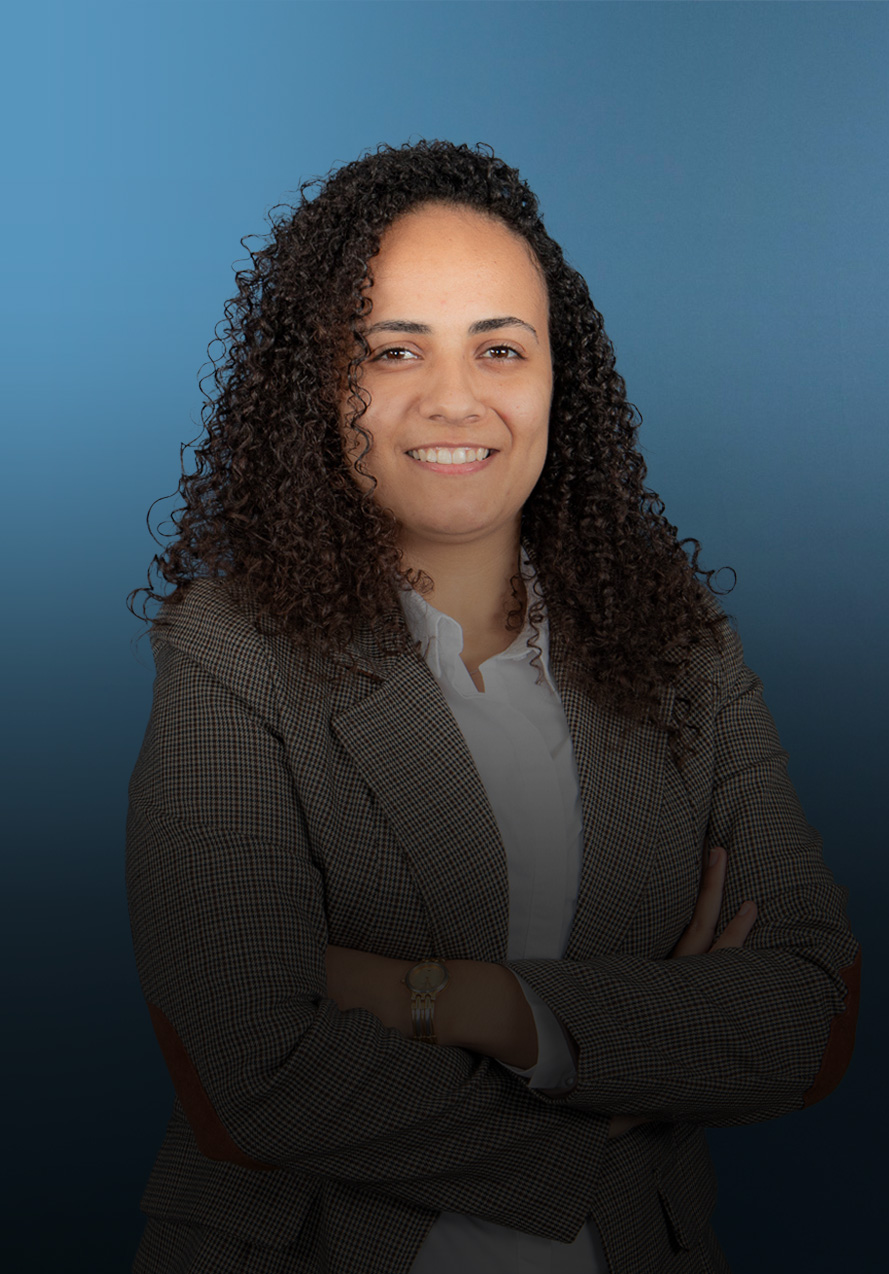
يخصص مركز السياسات من أجل الجنوب الجديد حلقته الاسبوعية لحديث الثلاثاء لمناقشة أجندة الاتحاد الأفريقي بشأن الهجرة كبديل للأولويات الأوروبية في أفريقيا، رفقة أمل الوصيف، باحثة في العلاقات الدولية بمركز السياسات من أجل الجنوب الجديد. في حين أن الهجرة من إفريقيا تندرج ضمن أولويات السياسات الأوروبية للتحكم في الحدود الخارجية للاتحاد الأوروبي، فإن ديناميكيات الهجرة الأفريقية هي قبل كل شيء إقليمية. بالكاد ترتبط الهجرة من جنوب الصحراء الكبرى بالتدفقات العابرة للقارات: أكثر من 70٪ لا يزالون في إفريقيا. إذا نظرنا إلى القارة ككل، بإضافة بلدان المغرب الكبير وجنوب إفريقيا (منطقتان متصلتان بشكل بارز بالهجرة العابرة للقارات نظرا لمستوى تنميتهما)، فإن الرقم يقف عند حوالي 53٪، ما يعادل مهاجر واحد من كل اثنين. كما تبلغ نسبة المهاجرين الأفارقة الذين يتم استقبالهم في أوروبا 26٪، أي واحد من كل أربعة. أخيرًا، يعيش ما يقرب من ثلث لاجئي العالم في إفريقيا جنوب الصحراء. بالإضافة إلى ذلك، توجد جوانب مؤسسية للتكامل الإقليمي في القارة الأفريقية وتجعل حرية التنقل هدفًا. على المستوى القاري، تسعى العديد من المشاريع التي يقودها الاتحاد الأفريقي إلى تحقيق هذا الهدف بينما تم إدراج الهجرة من قبل الأمم المتحدة كأحد أبعاد أهداف التنمية المستدامة. ومع ذلك، فإن هذه المبادرات تواجه عقبات مختلفة، من حيث تحفظ دول معينة (مثل نيجيريا أو جنوب إفريقيا) في مواجهة هذا الواقع الإقليمي للهجرة الأفريقية والمكانة التي تحتلها هذه القضية في العمليات الجارية للتكامل الإقليمي، كما تفرض السياسات الأوروبية أجندة لا تأخذ هذه الخصوصيات بعين الاعتبار. هذا التناقض يُفسَّر أيضًا من خلال رؤيتين مختلفتين تمامًا بين تنظيم تدفقات الهجرة والتنمية في البلدان الأفريقية، وعدم التناسق السياسي للشراكة بين أوروبا وأفريقيا. 30 دقيقة - أجندة الاتحاد الأفريقي بشأن الهجرة : بديل للأولويات الأوروبية في أفريقيا؟ المسيرة: إيمان لهريش، مسؤولة عن البرامج بمركز السياسات من أجل الجنوب الجديد المتدخلة: أمل الوصيف، باحثة في العلاقات الدولية بمركز السياسات من أجل الجنوب الجديد
Speakers

RELATED CONTENT

  • October 23, 2026
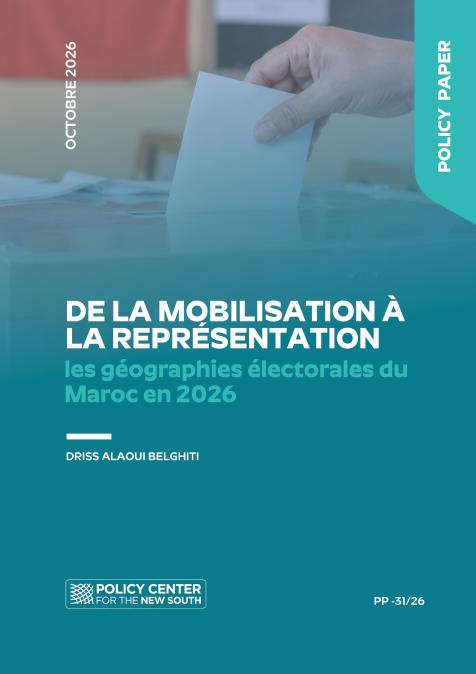
    Ce Policy Paper analyse les élections législatives marocaines du 23 septembre 2026 à travers l’articulation entre participation, implantations partisanes et conversion des suffrages en sièges. Il s’appuie sur les résultats des 92 circonscriptions locales, les données démographiques et socio-économiques du Haut-Commissariat au Plan et une comparaison avec le scrutin régional. L’analyse met en évidence une mobilisation très inégale, marquée par la faible participation de plusieurs gra ...
  • October 15, 2026
    The UN Secretary-General’s report of October 1, 2026 marks an important stage in the evolution of the political process concerning the Moroccan Sahara. As the first report issued since the adoption of Resolution 2797 (2025), it highlights renewed diplomatic momentum, marked by the resumption of substantive four-party negotiations led by the United States with United Nations support.This development reflects a gradual shift in a debate long focused on the territory’s final status tow ...
  • October 15, 2026
    The Policy Center for the New South, in partnership with The Asian Network, is organizing a webinar titled “Emerging Powers and the Remaking of Global Order” to examine the growing role of emerging powers and the Global South at a time of profound transformation in the international sys...
  • October 15, 2026
    Le rapport du Secrétaire général des Nations Unies du 1er octobre 2026 marque une étape importante dans l’évolution du processus politique relatif au Sahara marocain. Le premier présenté depuis l’adoption de la résolution 2797 (2025), le rapport met en évidence une dynamique diplomatique nouvelle, caractérisée par la reprise de négociations substantielles à quatre sous l’impulsion des États-Unis et avec l’accompagnement des Nations Unies. Cette évolution traduit un déplacement ...
  • October 14, 2026
    في ظل التوترات الجيوسياسية المتصاعدة، تتغير طرق التجارة العالمية وتتبدل معها موازين الممرات الاستراتيجية. تفتح هذه الحلقة من «حديث الثلاثاء» النقاش حول التقاء المسارات البحرية والبرية داخل هذه الممرات، والعوامل التي تتحكم في طبيعة السلع التي تعبرها. وتبحث كذلك في ما يمكن للمغرب أن يجنيه...
  • Authors
    Florent Parmentier
    October 12, 2026
    Cet article soutient que le Chief Geopolitical Officer (CGO) doit être repensé à partir de l’expérience des entreprises africaines. Dans un environnement multipolaire et fragmenté, leur principal défi n’est pas seulement la gestion des risques, mais la préservation de plusieurs options stratégiques simultanément selon une logique de hedging. Trois modèles de CGO sont à distinguer : l’intermédiation (Office chérifien des Phosphates (OCP), Tanger Med), l’intégration régionale (Ethiopi ...
  • Authors
    Paul Isbell
    October 9, 2026
    In the first seven Policy Briefs of this ongoing series of analysis on Pan-Atlanticism: The Atlantic Basin in a Multipolar-Transnational World, we developed the argument that the strategic significance of the Atlantic Basin is on the rise for a range of international actors (states, regions and non-state agents) and from distinct political or ideological perspectives. In addition, in the most recently published Policy Brief -- “The U.S. and the Current International Reconfiguration: ...
  • Authors
    Lina Jaoid
    October 8, 2026
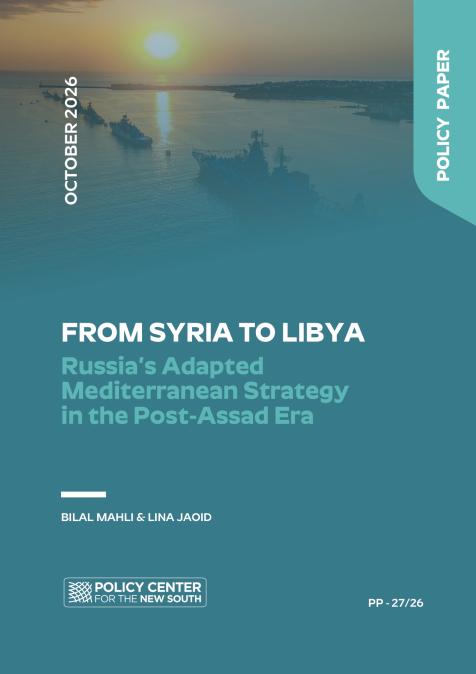
    In the two years since the fall of Bashar al-Assad in Syria, Russia has restructured its Mediterranean presence. Although Russia’s limited and increasingly conditional access to the Khmeimim and Tartus facilities in Syria has been preserved, its presence in the country has morphed from Assad’s ‘patron-client’ configuration to a more negotiated engagement. Simultaneously, Russia has upgraded its force-projection and logistical infrastructure in eastern Libya, giving it an access path ...
  • Authors
    Marie-Noelle Nwokolo
    October 6, 2026
    The author of this opinion, Marie-Noelle Nwokolo, is a 2024 alumna of the Atlantic Dialogues Emerging Leaders Program.In September 1978, delegations from 138 countries gathered in Buenos Aires, Argentina, around a powerful idea: developing countries had knowledge, experience and capabilities worth sharing with one another. The Buenos Aires Plan of Action gave institutional form to what we now call South-South Cooperation, part of a wider post-colonial effort by developing ...