حديث الثلاثاء: تحليل الاستراتيجية الوطنية للتحول الرقمي 2030

December 3, 2024

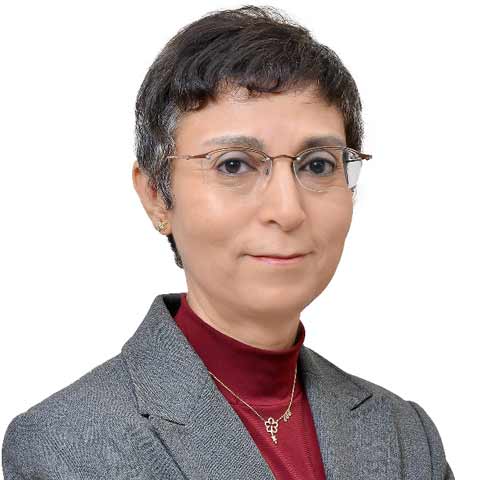
نستضيف في هذه الحلقة الأستاذة رجاء بنسعود، المتخصصة في قانون الأعمال والتحول الرقمي، لنسلط الضوء على مستقبل التحول الرقمي في المغرب من خلالاستراتيجية "المغرب الرقمي 2030". سنتناول أبرز الإنجازات التي حققتها المملكة في هذا المجال، كما سنناقش الأهداف الطموحة لهذه الاستراتيجية والتحديات الكبرى التيتقف أمام تحقيقها.

Speakers
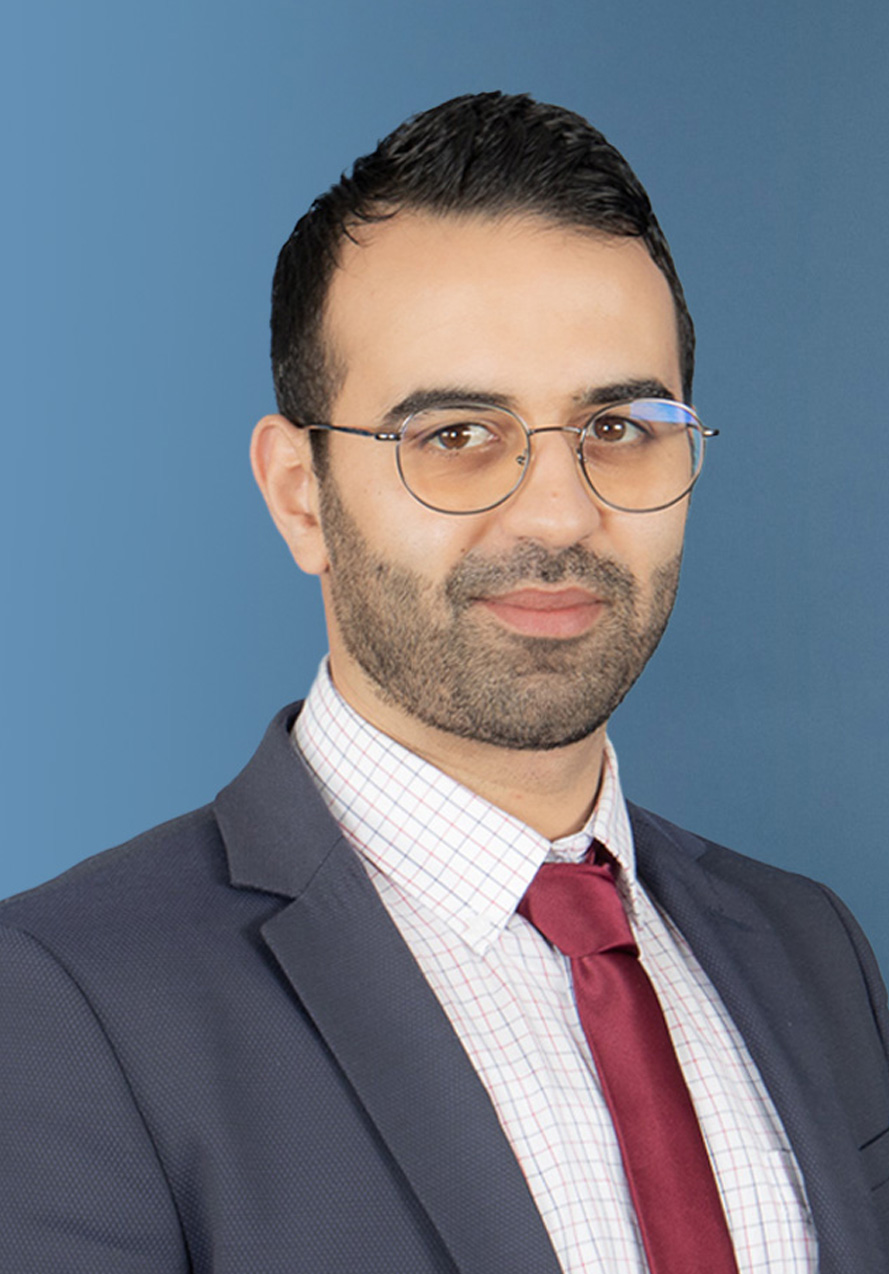
Badr Mandri
Economist
Badr Mandri is an Economist who joined Policy Center for the New South after two years’ experience at the Moroccan national statistics office (HCP, High Commission for Planning). His research activities focus on development macroeconomics especially on fiscal policy and development financing. Badr Mandri holds a master’s degree in applied economics, and is currently a PhD student at Mohamed V University in Rabat; ...
Raja Bensaoud
Jurist and Co-founder
Raja Bensaoud is a private law jurist, specializing in business and digital law. Her teaching career leads her to share her knowledge at the Royal College of Higher Military Studies as well as at several institutions of excellence such as Hassan 1st University and ISCAE. Co-founder of the Digital Act Think Tank, she also contributes her expertise to the Legal Commission of the Chambre Française de Commerce et d’Industrie du Maroc (CFCIM). Her executive experience includes roles as ministerial chief of staff, director at Royal Air Maroc, and vice president of Association of Businesswomen of Morocco (AFEM). She has actively participated in several national commissions for legal reform and codification, particularly for the Maritime Code, Free Zone Law, and Ethics of AI. ...

RELATED CONTENT

  • February 15, 2022
    يخصص مركز السياسات من أجل الجنوب الجديد حلقة برنامجه الأسبوعي "حديث الثلاثاء" لتقييم مدى إدراج النوع الاجتماعي بين الإنجازات القانونية والتحديات السياسية مع أميمة عاشور، أستاذة جامعية ورئيسة جمعية جسور ملتقى النساء المغربيات   ...
  • February 10, 2022
    La crise de la IIème République tunisienne exacerbe l’incapacité des institutions de représentation démocratique à prendre en compte les demandes socio-économiques populaires, à l’origine de la « révolution de 2011 ». Conçue dans l’objectif de rompre avec l’ancien régime bénalien, la IIème République a permis de doter la Tunisie des infrastructures politiques et institutionnelles nécessaires, lui permettant d’encadrer ses libertés, tout en définissant son régime démocratique. Or, l’ ...
  • Authors
    February 9, 2022
    The geographic position of Morocco and its history makes it a strategic country when it comes to matters of international migration. Having long been considered as a country of origin, the fast paced growing development of Morocco soon brought it from being merely a sending country to becoming a transit and destination to migrants from other parts of Africa. This change in the migratory context of Morocco has led to the adoption of a series of policies and governmental actions to ta ...
  • February 8, 2022
    This year marks the 50th anniversary of the declaration of the “war on drugs” by President Richard Nixon. Since then, law-enforcement responses are primarily used to counter the production, trafficking and consumption of illegal drugs. The international control regime based on the prohi...
  • February 8, 2022
    This year marks the 50th anniversary of the declaration of the “war on drugs” by President Richard Nixon. Since then, law-enforcement responses are primarily used to counter the production, trafficking and consumption of illegal drugs. The international control regime based on the prohi...
  • February 8, 2022
    This year marks the 50th anniversary of the declaration of the “war on drugs” by President Richard Nixon. Since then, law-enforcement responses are primarily used to counter the production, trafficking and consumption of illegal drugs. The international control regime based on the prohi...
  • Authors
    February 3, 2022
    COVID-19 has ravaged nearly every country in the world, with the globalization of recent decades intensifying its spread. As of mid-2021, the world had spent $16.5 trillion—18% of global GDP—to fight the disease. And that amount does not even include the most important losses such as deaths, mental health effects, restrictions on human freedom, and other nonmonetary suffering. Nearly 90% of this spending was by developed economies, with the rest by emerging market and developing eco ...