حديث الثلاثاء : تداعيات قرارات دونالد ترامب في ولايته الثانية على إفريقيا والعالم
January 28, 2025
يخصص مركز السياسات من أجل الجنوب الجديد حلقة برنامجه الأسبوعي "حديث الثلاثاء" لمناقشة موضوع: تداعيات قرارات دونالد ترامب في ولايته الثانية على إفريقيا والعالم.
شهد العالم يوم 20 يناير 2025 حدثًا بارزًا، وهو تنصيب دونالد ترامب رئيسًا للولايات المتحدة لولاية ثانية. ومنذ عودته إلى البيت الأبيض، أطلق سلسلة من القرارات التنفيذية التي أحدثت تحولات جذرية في السياسة الأمريكية داخليًا وخارجيًا. ما هي أبرز هذه القرارات؟ كيف يعيد ترامب تشكيل السياسة الخارجية تحت شعار "أمريكا أولاً"؟ وما هو مستقبل العلاقات الأمريكية الإفريقية في ظل هذه التوجهات؟
أسئلة وغيرها نناقشها مع ادريس علوي بلغيتي، باحث في العلاقات الدولية بمركز السياسات من أجل الجنوب الجديد، لتحليل التداعيات والسيناريوهات المحتملة على إفريقيا والعالم.
Speakers
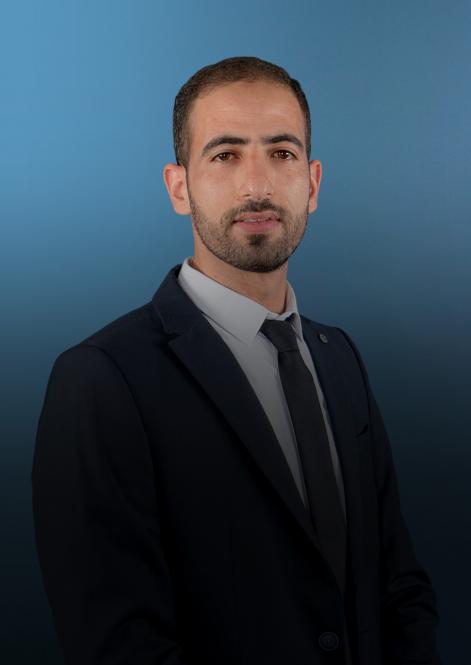
Redouan Najah
Senior International Relations Specialist
Redouan Najah is a Senior International Relations Specialist at the Policy Center for the New South (PCNS).At the PCNS, which he joined in 2019, Redouan Najah conducts research on topics spanning the cyberspace, cyber defense, cybersecurity, Central Africa, and Africa-China relations.Redouan Najah holds a master's degree in Geopolitics and International Relations from University Cadi Ayaad, Marrakech, Morocco, and a bachelor’s degree in Economics and Management, from University Sultan Moulay Slimane, Beni Mellal, Morocco.Redouan is fluent in Arabic and French and has a good knowledge of English.
...
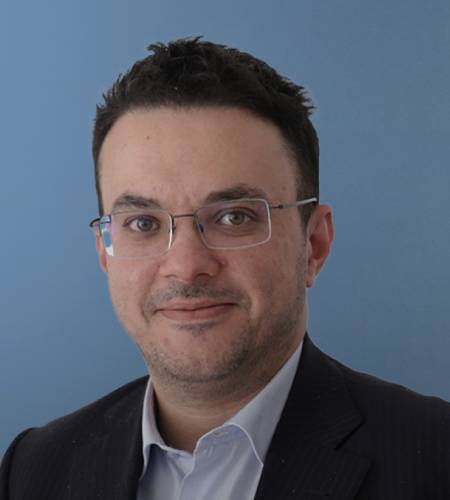
Driss Alaoui Belghiti
Senior International Relations Specialist
Driss Alaoui Belghiti is a Senior International Relations Specialist at the Policy Center for the New South (PCNS).At the PCNS, Driss Alaoui Belghiti focuses on governance issues in Southern Africa and the United States’ engagement on the African continent.He has notably contributed to the coordination of PCNS events and publications on African geopolitics, including the African Peace and Security Annual Conference (Apsaco).Before joining the PCNS in 2023, Driss Alaoui Belghiti worked in national public institutions and at the Pan-African Parliament.He holds a bachelor's degree in political science and international relations from the School of Governance and Economics in Rabat, Morocco, and a master’s degree in the Governance of International Development Organizations from th ...