حديث الثلاثاء: منطقة حوض بحيرة تشاد أمام تحديات مركبة ومتشابكة

July 12, 2022

يخصص مركز السياسات من أجل الجنوب الجديد حلقة برنامجه الأسبوعي "حديث الثلاثاء" لمناقشة أهم التحديات التي تواجهها منطقة حوض بحيرة التشاد مع خالد شكراوي، باحث بارز بمركز السياسات من أجل الجنوب الجديد.

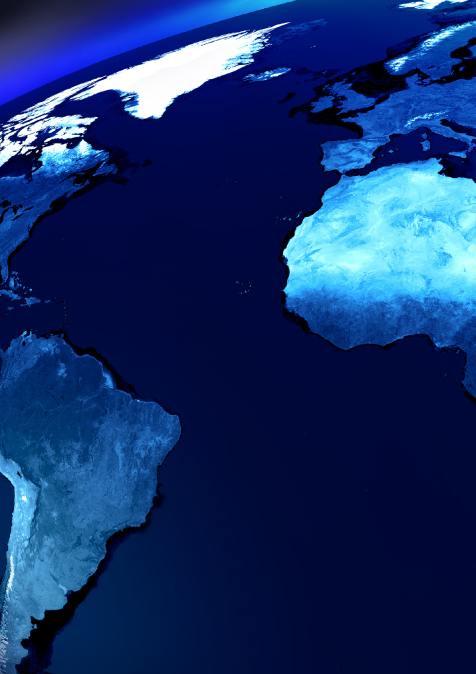
في شمال منطقة وسط إفريقيا، وتحديداً في بحيرة تشاد التي تعتبر ذات أهمية اقتصادية، حيث يكمن مورد الرزق الأساس لنحو 30 مليون شخص من مجموعات إثنية وعرقية مختلفة يعيشون في البلدان الأربعة المحيطة بها (تشاد والكاميرون والنيجر ونيجيريا). تَعتبر هذه البحيرة إرثاً طبيعياً مشتركاً لا تحتكره دولة دون أخرى، ولم يُعترف فيه بالحدود السياسية حتى وقت قريب. شيئاً فشيئاً، بدأت هذه البحيرة تتحول إلى مرتع للجماعات الإرهابية وعملياتها

أزمة بحيرة تشاد مركبة ومتشابكة للغاية لكونها تواجه تحديات تتداخل فيها كل من العوامل البيئية مع نظيرتها السياسية والاثنية وكدلك الاقتصادية والاجتماعية والامنية، وهدا التداخل يجعل محيط البحيرة نقطة أزمات وتحديات تأثر على معظم دول وسط إفريقيا، غرب افريقيا ومنطقة الساحل والصحراء. 

نعود خلال هاته الحلقة إلى مناقشة أهمية البحيرة للدول المجاورة وكدى التحديات التي تعيشها منطقة حوض بحيرة تشاد وآثارها على محيط كبير من دول المنطقة بشكل مباشر وغير مباشر، أسئلة وغيرها نناقشها مع خالد شكراوي، باحث بارز بمركز السياسات من أجل الجنوب الجديد.
 

Speakers
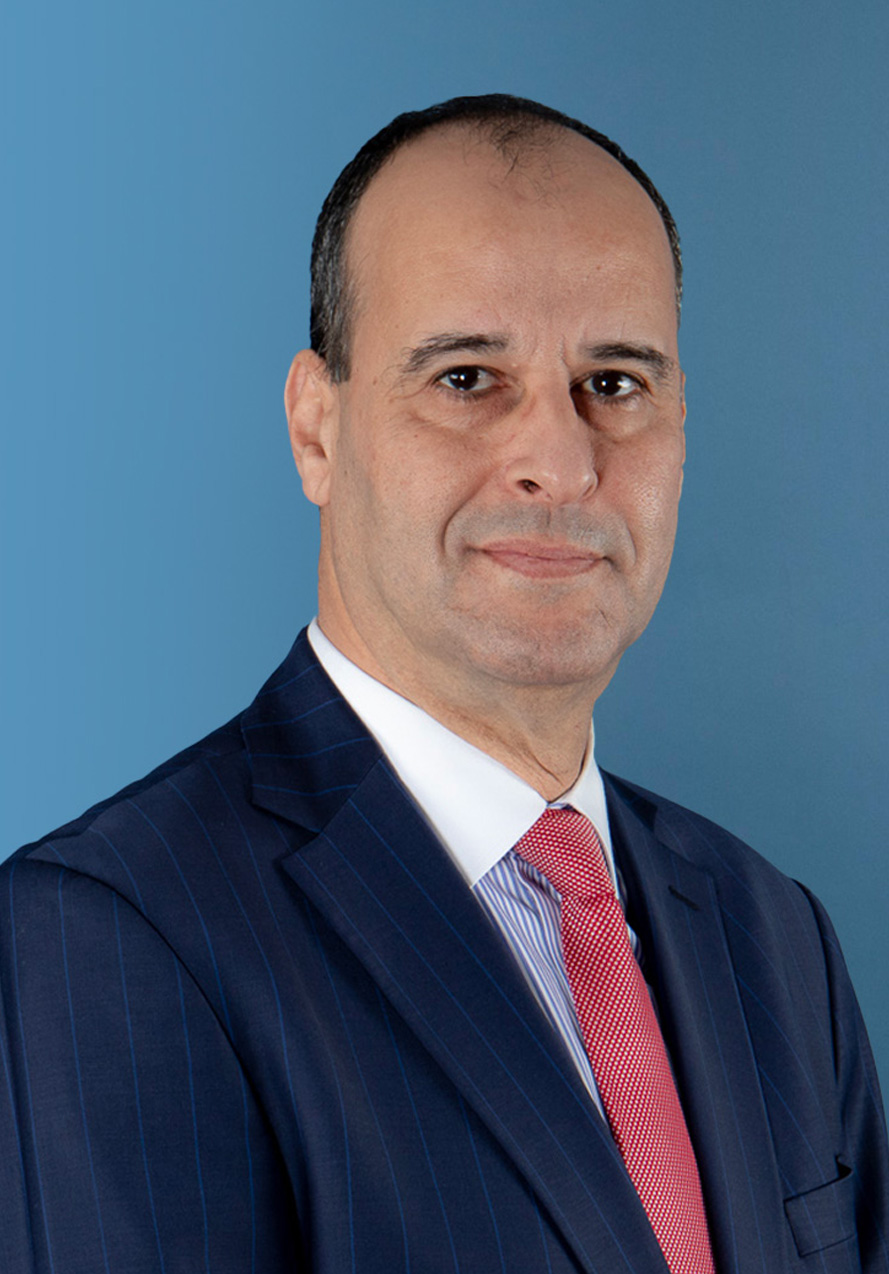
Khalid Chegraoui
Senior Fellow
Khalid Chegraoui is Senior Fellow at the Policy Center for the New South and Vice Dean of Political Sciences and International Relations at the Faculty of Governance, Economic and Social Sciences of the Mohammed VI University.  He began his teaching and research career in 1992 as a Research Assistant Professor at Sidi Mohammed Ben Abdallah University in Fez after earning his first doctorate in African Studies from the Mohammed V University in Rabat focusing on West Sub-Saharan Africa. He also earned a Doctorate of State in African Studies from the same University in 2002, where he focused on Contemporary West Africa, in 2003 he became Professor of History and Political Anthropology at the Institute of African Studies, Mohammed V University, consultant on African and Midd ...
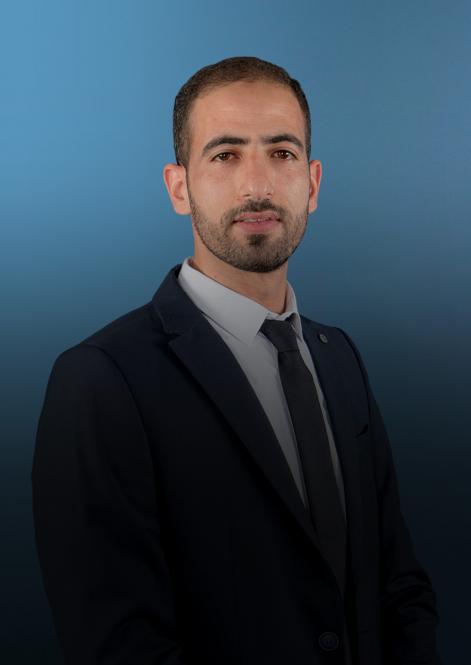
Redouan Najah
Research Assistant - International Relations - Policy Center for the New South
...

RELATED CONTENT

  • March 5, 2026
    This episode of Africafé explores the evolving dynamics of US-Africa relations, tracing their historical shifts from Cold War and War on Terror engagements to today’s focus on trade, investment, and strategic partnerships. Dr. Ian Lesser highlights how Africa’s role in US foreign policy...
  • Authors
    February 17, 2026
    La Marche Verte fait partie de ces moments féconds qui n’ont pas cessé d’influer sur le cours des événements politiques du Maroc, par la place qu’elle a prise, dès le départ, dans la longue durée, le contexte dans lequel elle s’est déployée, la logique des interactions dans laquelle elle s’est inscrite par ses causes et ses effets, et comme une des figures éclatantes du récit national. ...
  • Authors
    Amine Ghoulidi
    February 5, 2026
    This Paper was originally published on orient-online.com  The Western Mediterranean’s exposure to the Sahel is usually framed in terms of security spillovers and crisis management. This paper argues that this framing misreads how Sahelian access conditions now shape Mediterranean integration. Morocco’s Atlantic Initiative is a state-led corridor strategy combining Atlantic port infrastructure, inland transit routes, and energy systems to connect landlocked Sahelian economi ...
  • January 29, 2026
    Le Mali, le Burkina Faso et le Niger, réunis au sein de l’Alliance des États du Sahel (AES), affirment l’ambition de bâtir une souveraineté nationale qui leur permettrait de s’émanciper de la domination et des influences extérieures et de se doter d’une liberté d’action dans les choix de développement politique et économique. Cependant, cette ambition se heurte à de nombreuses contraintes économiques et sécuritaires.La souveraineté ne peut se construire sans une base économique soli ...
  • January 23, 2026
    The post-1945 international order, an architecture born of war-weariness and colonial twilight, is now a majestic but empty shell. Its foundational promise—a universal system of rules administered impartially—has been hollowed out by decades of selective enforcement, instrumentalized law, and a chasm between the rhetorical ideals of its custodians and their geopolitical practice. This is not a temporary dysfunction, but a systemic failure of legitimacy. From the invasion of Iraq und ...
  • January 6, 2026
    La création de l’Alliance des États du Sahel (AES) symbolise une rupture politique et géostratégique majeure, appuyée sur un discours souverainiste et anti-occidental. Deux ans après, Mali, Burkina Faso et Niger peinent à assurer leur intégrité territoriale, à stabiliser leur sécurité intérieure et à bâtir une gouvernance solide. L’intégrité territoriale est un problème commun aux trois États, car dans ces pays, la cohésion de l’État et le contrôle du territoire sont directement men ...
  • Authors
    Niccola Milnes
    December 30, 2025
    Fuel access has become a strategic pressure point across Mali and its neighbors. In 2025, Jama’t Nusrat al Islam wal- Muslimeen (JNIM) shifted from sporadic interdictions to a deliberate fuel-blockade strategy intended to pressure Bamako without holding territory. By selectively constraining movement along the Sikasso–Kayes–Bamako corridor, the group turned fuel scarcity into a tool of coercion, governance, and narrative control—shaping behavior in the capital while remaining largel ...
  • Authors
    December 3, 2025
    La résolution 2797 du Conseil de sécurité des Nations Unies ne marque pas la fin d’un dossier, mais l’aboutissement d’une gestion magistrale du temps. Le Maroc n’a pas seulement gagné des appuis, il a gagné le tempo.
En combinant le Chronos de la constance et le Kairos de l’opportunité, il a démontré qu’une politique étrangère pouvait s’appuyer sur la philosophie du temps autant que sur la géopolitique.Cette diplomatie du temps maîtrisé peut aujourd’hui être considérée comme une doc ...