Crisis or Opportunity? Multilateralism in a Polycentric World

January 21, 2026

The Policy Center for the New South hosted a seminar on January 16, 2026, titled “Crisis or Opportunity? Multilateralism in a Polycentric World.”

The discussion addressed the growing strain on global cooperation amid overlapping financial, climate, security, and technological shocks, occurring at a time of intensified contestation over international rules and shrinking public budgets. Beyond these challenges, the seminar examined how such transformations may also open new spaces for agency and coalition-building, particularly for actors from the Global South.

The exchange was grounded in the speakers’ Policy Paper, “Crisis or Opportunity? Pockets of Effective Multilateralism in a Polycentric World,” which sheds light on emerging, pragmatic forms of multilateral action. Drawing on insights from the 2025 Financing for Development Conference held in Sevilla, the discussion highlighted how problem-specific coalitions bringing together like-minded actors around targeted issues can offer a realistic response to an increasingly fragmented international system. While these arrangements are neither comprehensive nor ideal, they contribute to sustaining multilateralism through “pockets of effectiveness” across regions and policy domains.

The seminar featured contributions from:

  • Len Ishmael, Senior Fellow, Policy Center for the New South
  • Andy Sumner, Professor of International Development, King’s College London
  • Stephan Klingebiel, Head of Inter- and Transnational Cooperation, IDOS


Together, they discussed how multilateral cooperation is evolving in practice, its implications for global governance, and the ways in which Global South actors can shape and benefit from emerging forms of collective action.

RELATED CONTENT

  • November 4, 2026
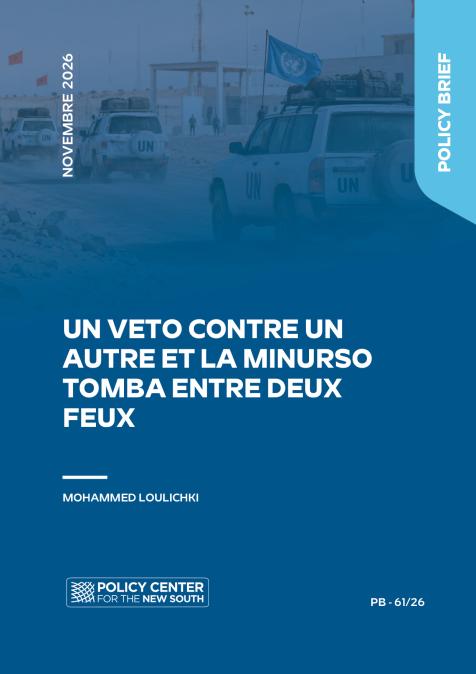
    Le 30 octobre 2026, le mandat de la Minurso a expiré et n’a pas été renouvelé. La raison : un projet américain, pourtant appuyé par 11 membres du Conseil de sécurité, auquel la Russie a opposé son veto, suivi d’un projet russe qui n’a pu recueillir que trois voix en sa faveur, sur lequel les États-Unis ont émis un vote négatif.Cette impasse révèle deux conceptions opposées du règlement. Washington entend recentrer le processus sur l’initiative marocaine d’autonomie et adapter progre ...
  • Authors
    Giovanna Rinaldo
    November 4, 2026
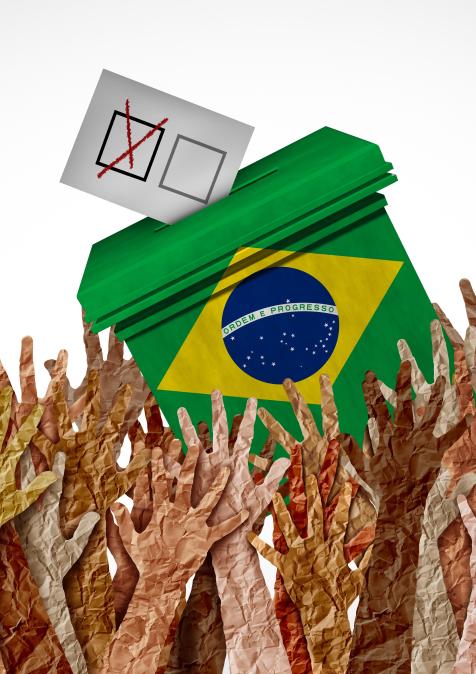
    Brazil’s presidential election, which concluded on October 25, 2026, was above all a digital battle. This is nothing new; the impact of social media on elections has been widely analyzed since Barack Obama's 2008 win marked a turning point for digital campaigning worldwide. Almost two decades later, social media is an entirely different breed, with a life of its own – and still very little regulation within electoral politics. The danger, however, is that digital players now also in ...
  • October 29, 2026
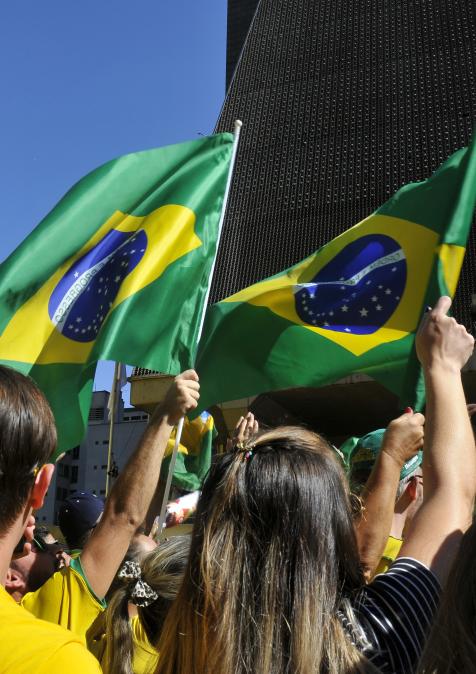
    Luiz Inácio Lula da Silva’s victory brings to an end one of the most closely contested elections in Brazil’s recent history. Before any broader analysis, however, a qualification is necessary. Supreme Court Justice Cristiano Zanin’s controversial decision to extend voting hours sparked debate over the electoral process. Although the measure was not mathematically decisive in Lula’s come-from-behind victory, the episode risks fuelling challenges to the result and further eroding poli ...
  • October 28, 2026
    Depuis 2016, le Policy Center for the New South et le Centre de Géopolitique de l’école HEC Paris organisent chaque année deux éditions des « Dialogues Stratégiques ». Cette plateforme d’analyse et d’échange réunit des experts, des chercheurs provenant de différents think-tanks et du mo...
  • October 22, 2026
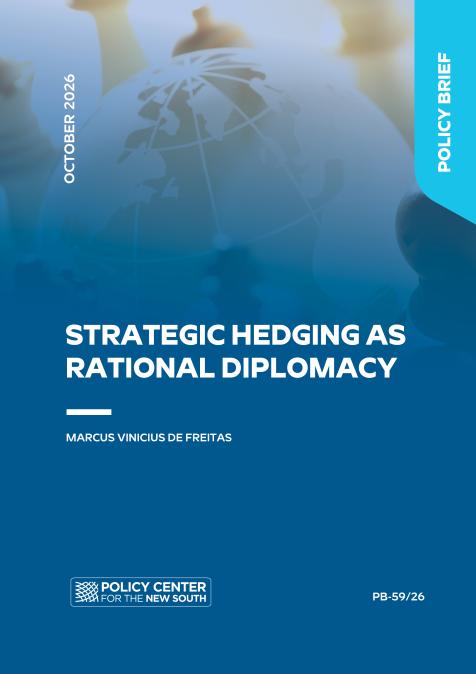
    Strategic hedging is rational when it preserves a worthwhile choice at a tolerable cost while respecting existing commitments. Drawing on the literature on hedging and Latin American autonomy, this Policy Brief examines contrasting illustrations of that proposition. It distinguishes ambiguity about future alignment from uncertainty about existing obligations and explains how clearly bounded commitments can reconcile autonomy with credibility. The cases reveal different vulnerabiliti ...
  • Authors
    Nizar Messari
    October 20, 2026
    In October 2026, Brazil will elect its president. It will also renew the entire lower legislative chamber and two-thirds of the upper chamber, elect governors in all states, and renew state legislatures. What will be the impact of these elections nationally, regionally, and internationally? Who are the main presidential candidates, and what are their agendas? What are the main challenges facing Brazil over the coming years? These are the questions that this Policy Brief seeks to ans ...
  • October 14, 2026
    في ظل التوترات الجيوسياسية المتصاعدة، تتغير طرق التجارة العالمية وتتبدل معها موازين الممرات الاستراتيجية. تفتح هذه الحلقة من «حديث الثلاثاء» النقاش حول التقاء المسارات البحرية والبرية داخل هذه الممرات، والعوامل التي تتحكم في طبيعة السلع التي تعبرها. وتبحث كذلك في ما يمكن للمغرب أن يجنيه...
  • Authors
    Florent Parmentier
    October 12, 2026
    Cet article soutient que le Chief Geopolitical Officer (CGO) doit être repensé à partir de l’expérience des entreprises africaines. Dans un environnement multipolaire et fragmenté, leur principal défi n’est pas seulement la gestion des risques, mais la préservation de plusieurs options stratégiques simultanément selon une logique de hedging. Trois modèles de CGO sont à distinguer : l’intermédiation (Office chérifien des Phosphates (OCP), Tanger Med), l’intégration régionale (Ethiopi ...