Collaboration and ESG language to unlock funding for sustainable infrastructure projects

September 5, 2023

Developing countries face many challenges in mobilising private sector investment for sustainable infrastructure projects. Solutions include international cooperation and common environmental, social and governance (ESG) taxonomies. To close the climate finance gap, we need additional private investment especially in low- and middle-income countries.

To serve this purpose, Multilateral development banks (MDBs) are encouraged to expand their support for sustainable infrastructure projects and increase their risk appetite. Furthermore, collaboration among G20 public development banks (PDBs) is encouraged to leverage their strengths and promote transformative impact.

A common ESG language will also help standardise assessments of sustainable investments, reduce greenwashing and attract specialised capital. The G20 is called upon to strengthen institutional networks among developing countries, to strengthen the PDBs, and to create a universal ESG taxonomy for sustainable finance.

Ultimately, the recommendations in this paper aim to contribute to a more sustainable global economy by fostering cooperation, reducing investment risks, and accelerating the flow of funds to sustainable infrastructure projects.
Speakers
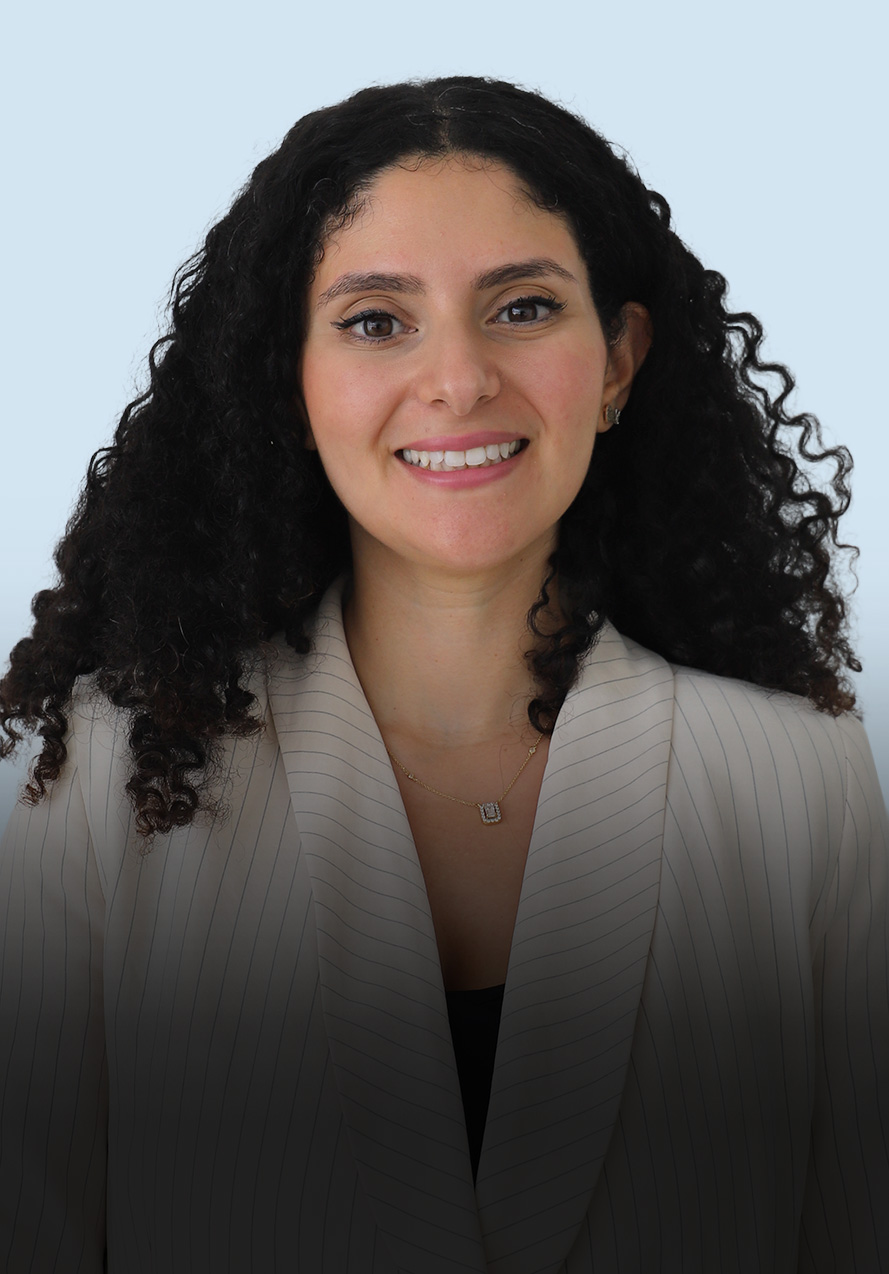
Sabrine Emran
Senior Economist
Sabrine Emran is a Senior Economist at the Policy Center for the New South (PCNS).At the PCNS, Sabrine Emran conducts research on the Energy Transition, Climate Finance, and Critical Minerals, focusing on the energy priorities of developing countries in the context of sustainable development, just energy transition, and global climate commitments.Before joining the PCNS in 2022, Sabrine Emran worked as a Commodities Analyst and Risk Management Consultant, specializing in agricultural and energy commodities as well as foreign exchange risk. She also held a position at Lyxor Asset Management as Request for Proposal and Product Specialist, where she focused on alternative investment asset classes and collaborated closely with institutional investors.Sabrine Emran holds a master’s ...

RELATED CONTENT

  • Authors
    Dedewanou Finagnon Antoine
    April 6, 2016
    Cet article fait une analyse comparative de quelques déterminants de la croissance économique dans les pays de l’Union Economique et Monétaire Ouest Africaine (UEMOA) et dans les pays à forte croissance afin de proposer des mesures de politique économique pour la relance de la croissance dans les Etats de l’UEMOA. Pour ce faire, nous utilisons les données de la Banque Mondiale sur cinq pays à forte croissance (Brésil, Russie, Inde, Chine, Afrique du Sud) et sept pays de l’UEMOA (Bén ...
  • Authors
    Otávio José Guerci SIDONE
    Jesús Pascual MENA-CHALCO
    April 6, 2016
    A recente evolução da ciência brasileira é caracterizada pelo crescimento acelerado da produção científica e pela intensificação da colaboração entre seus pesquisadores. Este trabalho tem por objetivo apresentar elementos sobre o papel da geografia na evolução da produção e colaboração científica no Brasil entre 1992 e 2009, por meio da identificação de padrões espaciais e da importância relativa das regiões em termos de produção, especialização científica e grau de interação colabo ...
  • April 02, 2016
    Ce podcast est délivré par Guntram Wolff et Karim El Aynaoui. L’émission Tableau de Bord d’Atlantic Radio a reçu samedi 2 avril 2016 M. Guntram Wolff, directeur de Bruegel, et M. Karim El ...
  • April 01, 2016
      This podcast is performed by Chiedu Osakwe. On the occasion of the publication of a book on 'WTO Accessions and Trade Multilateralism Case Studies and Lessons from the WTO at Twen ...
  • March 31, 2016
    In the context of the strategic partnership between OCP Policy Center and the German Marshall Fund of the United States, the Policy Center is a key partner for the Brussels Forum organized by GMF. - Dr. Karim El Aynaoui, Managing Director, OCP Policy Center - Amb. Masafumi Ishii, Amba...
  • Authors
    Mohamed Hamza Sallouhi
    March 23, 2016
     Partie 1. Le ralentissement économique de la Chine : une transition inquiétante  L’incertitude sur les marchés financiers, la transition de l’économie chinoise vers un modèle de croissance moins extraverti et le ralentissement du rythme de la croissance des pays émergents, sont autant de facteurs qui fragilisent considérablement une croissance mondiale durable et synchronisée. Dans ce contexte, l’OCP Policy Center a tenu une table ronde animée par Patrick Artus ...
  • March 17, 2016
    Jointly organized by OCP Policy Center and Shanghai Institutes for International Studies, the roundtable on "Current African Economic and Strategic Challenges and Opportunities; Intersecting Views from China and Morocco" was a great opportunity to gather experts from both side, to brainstorm opportunities to enhance the role of think-tanks and civil society organization in the consolidation of the Afro-Asian cooperation more efficiently and in a more comprehensive way. Th ...