(AR) The demographic transition and the Moroccan economy - التحول الديموغرافي والاقتصاد المغربي
April 28, 2026
تتناول هذه الحلقة دخول المغرب مرحلة متقدمة من التحول الديمغرافي، تتميز بتراجع معدل الخصوبة، تباطؤ النمو السكاني، وارتفاع متوسط العمر. كما تشير إلى أن هذه التحولات لها انعكاسات مباشرة على السياسات العمومية، خاصة في مجالات التعليم، الصحة، سوق الشغل والحماية الاجتماعية. ويؤكد الأستاذ أن البعد الديمغرافي يشكل عنصراً أساسياً لفهم التحولات الاقتصادية والاجتماعية في البلاد، مبرزاً أن هذا المسار بدأ منذ خمسينيات القرن الماضي مع تحسن المؤشرات الصحية وتراجع معدلات الوفيات.
Speakers
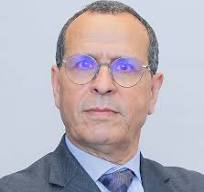
Aziz Ajbilou
Full Professor at Mohammed VI Polytechnic University, Rabat
Aziz Ajbilou is a Full Professor and Director of the Master’s programme in EconomicAnalysis and Public Policy at Mohammed VI Polytechnique University. He has heldvarious positions in government and academia, including Secretary General of theMinistry of General Affairs and Governance, Director of Studies in the field of SocialEconomy, and Director of the Center for Demographic Studies and Research. He holds aPhD in Demography and Statistics from Catholic University of Louvain and has expertisein socio-economic and demographic research, including poverty, human development,youth, aging, social economy, population issues, gender, population policy, migration, andsocial protection.
...
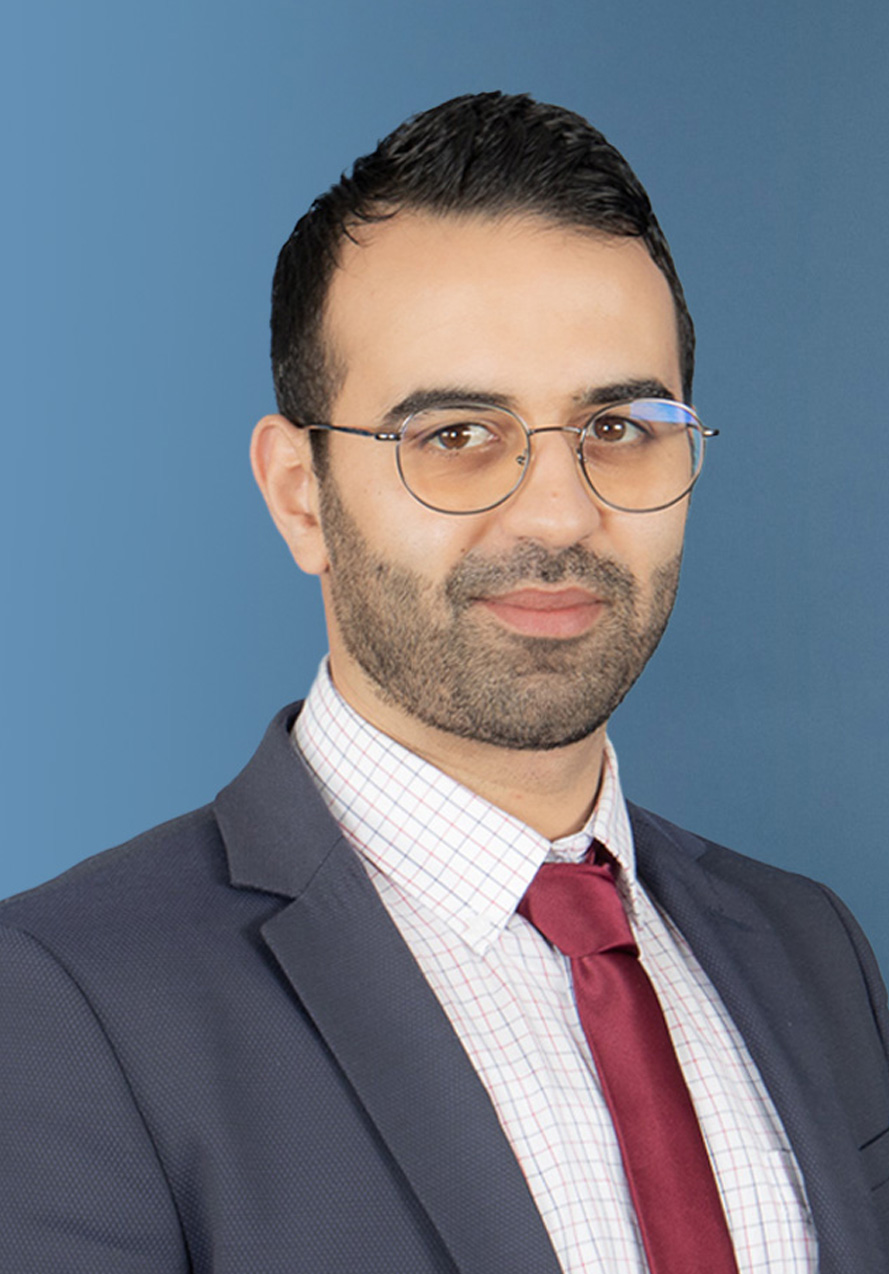
Badr Mandri
Economist
Badr Mandri is a Senior Economist at the Policy Center for the New South (PCNS), after an experience at Morocco's Haut-Commissariat au Plan (HCP). His research focuses primarily on macroeconomics, commodity markets, and development economics, having notably directed a collective volume on human capital. He also serves as an executive trainer at Mohammed VI Polytechnic University (UM6P), delivering specialized programs on public finance and fiscal policy for public sector professionals.Badr Mandri holds a Master's degree in Applied Economics from Mohammed V University in Rabat.
...