Africafé: What do U.S. Midterm Elections Mean for Africa?

November 12, 2026

The U.S. midterm elections raise questions about the future direction of American foreign policy and its implications for Africa. This discussion examines how shifting political dynamics in Washington could shape the Trump administration’s foreign policy priorities and engagement with the continent. It also explores the potential risks and opportunities for African countries, particularly across trade, security, and diplomacy.

Speakers
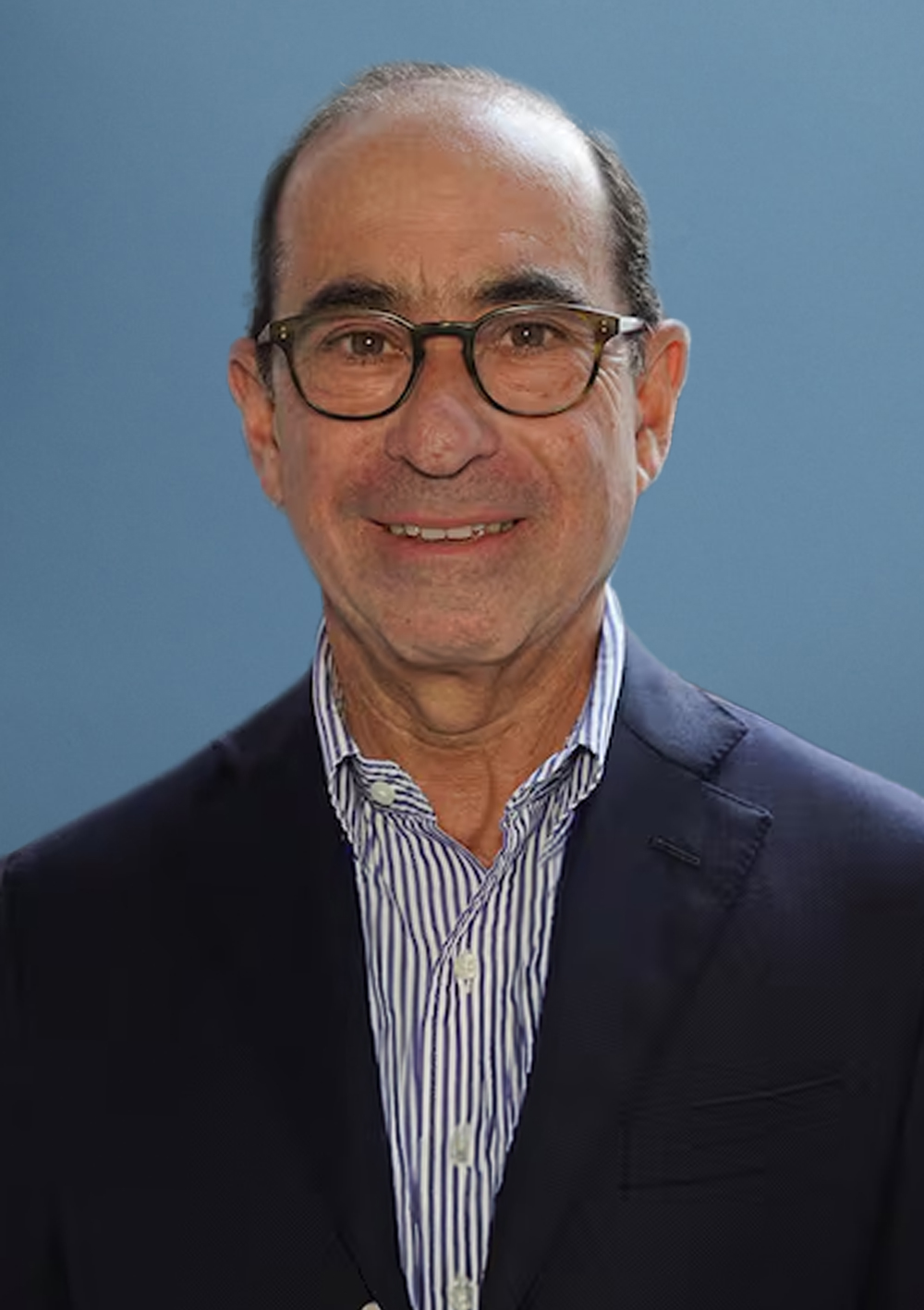
Ian O. Lesser
Senior Fellow
Ian Lesser is Senior Fellow at the Policy Center for the New South (PCNS). Based in Brussels, he also serves as Distinguished Fellow and Advisor to the President at the German Marshall Fund of the United States (GMF), where he has held several senior leadership roles, including Vice President and Acting President. Dr. Lesser has built a distinguished career at the intersection of transatlantic relations, strategy, and international security. He holds the Chair in Transatlantic Affairs at the College of Europe in Bruges. Before joining GMF, he was a Public Policy Scholar at the Woodrow Wilson International Center for Scholars, Vice President and Director of Studies at the Pacific Council on International Policy, and spent over a decade at the RAND Corporation focusing on s ...

Driss Alaoui Belghiti
Senior International Relations Specialist
Driss Alaoui Belghiti is a Senior International Relations Specialist at the Policy Center for the New South (PCNS).At the PCNS, Driss Alaoui Belghiti focuses on governance issues in Southern Africa and the United States’ engagement on the African continent.He has notably contributed to the coordination of PCNS events and publications on African geopolitics, including the African Peace and Security Annual Conference (Apsaco).Before joining the PCNS in 2023, Driss Alaoui Belghiti worked in national public institutions and at the Pan-African Parliament.He holds a bachelor's degree in political science and international relations from the School of Governance and Economics in Rabat, Morocco, and a master’s degree in the Governance of International Development Organizations from th ...

Fatim Zohra Azouzou
Junior Analyst - International Relations - Policy Center for the New South
...

RELATED CONTENT

  • Authors
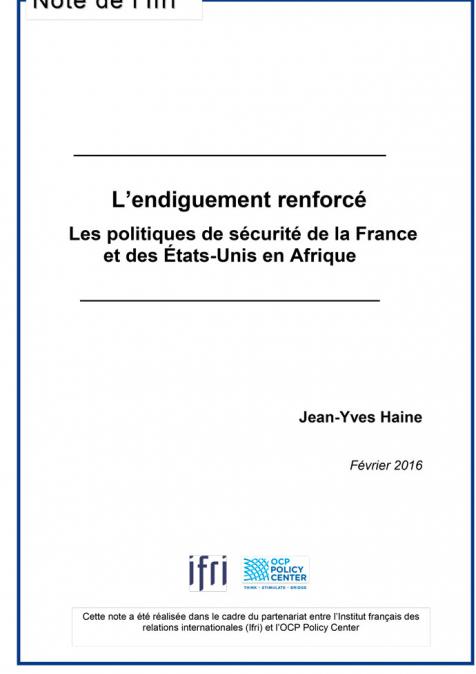
    Jean-Yves Haine
    February 18, 2016
    Bien que les États-Unis soient moins présents en Afrique que la France, leurs politiques de sécurité sur le continent ont des objectifs souvent partagés et parfois poursuivis en commun. Si l’urgence des crises humanitaires a longtemps été au coeur des interventions étrangères, elle tend désormais à s’effacer au profit de la menace terroriste. L’émergence et l’expansion des groupes terroristes à caractère complexe, parfois rivaux les uns des autres, et se réclamant de l’islam radical ...
  • Authors
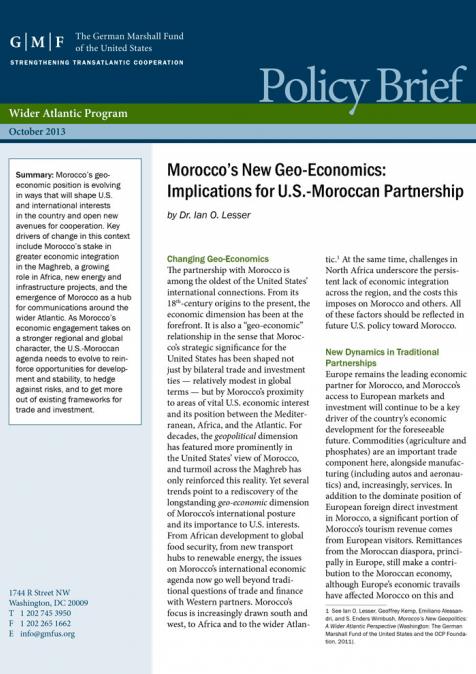
    Ian Lesser
    November 18, 2013
    This policy brief argues for a closer relationship between Morocco and the United States. Morocco’s geo-economic position is evolving in ways that will shape U.S. and international interests in the country and open new avenues for cooperation. Key drivers of change in this context include Morocco’s stake in greater economic integration in the Maghreb, a growing role in Africa, new energy and infrastructure projects, and the emergence of Morocco as a hub for communications around th ...
  • Authors
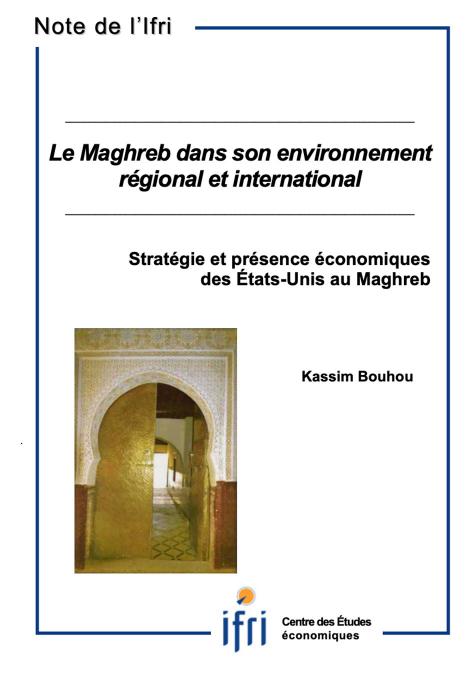
    Kassim Bouhou
    September 17, 2010
    Before the 9/11 events, US-Maghreb relations were growing stronger, especially after the United States had long left the floor to the Maghreb’s “natural” European partner. Therefore the American action in this region was in line with a mechanism previously set off by Clinton Administration member, Stuart Eizenstat, which aimed at reducing intra regional obstacles and stimulating American investments towards an area where Americans were little-represented. Hence Washington seemed mor ...
  • From

    12
    5:30 pm November 2026
    The U.S. midterm elections raise questions about the future direction of American foreign policy and its implications for Africa. This discussion examines how shifting political dynamics in Washington could shape the Trump administration’s foreign policy priorities and engagement with the continent. It also explores the potential risks and opportunities for African countries, particularly across trade, security, and diplomacy. ...