Présentation du rapport « Diagnostic du secteur privé »

May 7, 2026

Le rapport de diagnostic du secteur privé au Maroc met en lumière les principaux défis qui freinent encore l’investissement privé et la création d’emplois, malgré les avancées réalisées en matière de stabilité macroéconomique, d’infrastructures et de réformes. Il identifie notamment la complexité réglementaire, le déficit de compétences et le manque de dynamisme des marchés comme des obstacles majeurs à une croissance plus inclusive. Le rapport se concentre sur quatre secteurs à fort potentiel, le solaire décentralisé, le textile bas carbone, l’huile d’argan et les cosmétiques naturels, ainsi que l’aquaculture marine considérés comme des leviers stratégiques pour soutenir la transition verte, renforcer la compétitivité et stimuler l’emploi, notamment pour les jeunes et les femmes.
Speakers
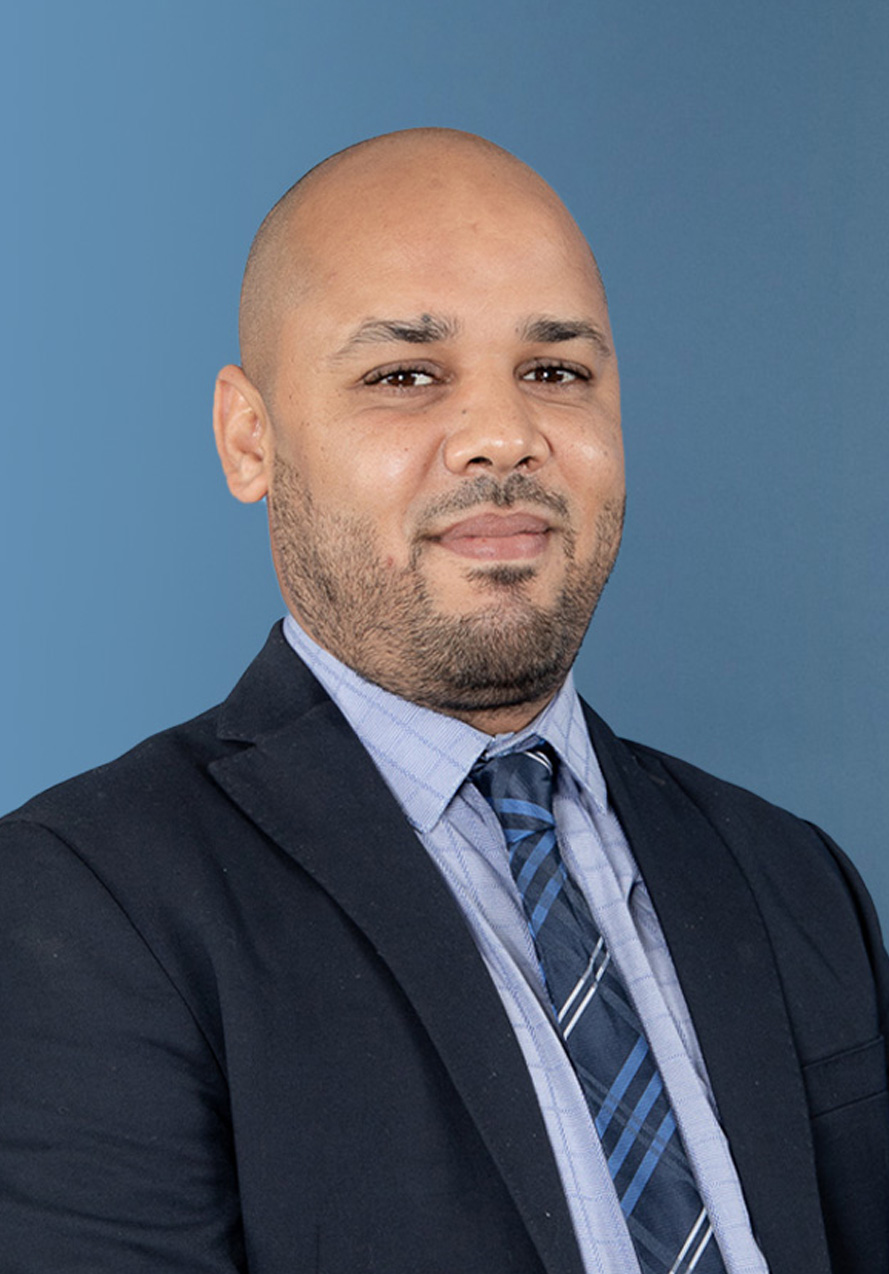
Tayeb Ghazi
Senior Economist
Tayeb Ghazi is Senior Economist at the Policy Center for the New South (PCNS). He is also a member of the Social and Solidarity Economy Research Group at Cadi Ayyad University and holds a master's degree in applied finance from the same university. He is currently working on topics related to labour market, education, migration and some aspects of international trade in developing countries. ...

RELATED CONTENT

  • December 15, 2018
    Moderator UDUAK AMIMO, CONSULTANT, UDUAK AMIMO CONSULTING (KENYA) Speakers André Caillé, Board Member, Junex R. Andreas Kraemer, Founder & Chairman, Ecologic Institute Josefa Sacko, Commissioner, Rural Economy and Agriculture, African Union Commission Teburoro Tito, Extraordinary an...
  • Authors
    Pierre-Richard Agénor
    November 30, 2018
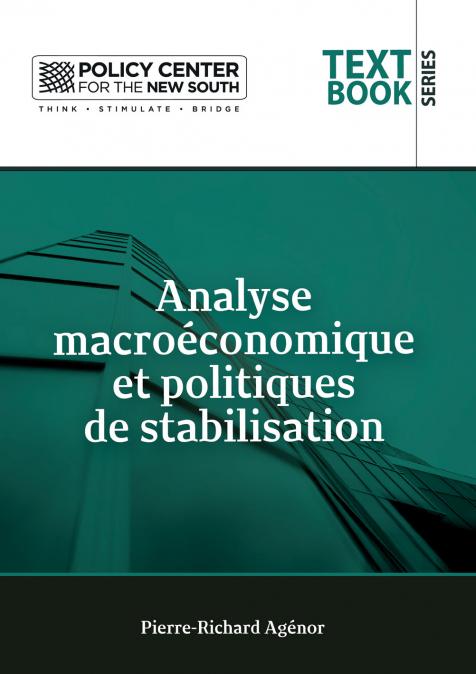
    L'importance de la stabilité macroéconomique et financière pour l'amélioration à long terme des niveaux de vie a conduit à un profond renouvellement de l'analyse macroéconomique dans les pays en développement, tant sur le plan analytique qu'empirique. Pour la première fois, le présent ouvrage fournit au public francophone un traitement approfondi et rigoureux des questions actuelles liées à l'analyse et à la gestion macroéconomique dans ces pays. Cette macroéconomie du développemen ...
  • Authors
    Axel Berger
    Andreas Freytag
    Simon J. Evenett
    Christian von Haldenwang
    Ricardo Meléndez-Ortiz
    Raul Ochoa
    Agustin Redonda
    Karl P. Sauvant
    November 26, 2018
    *The recommendations put forth below have been published, both print and online, in the Financial Times.  The leaders of the G20 will meet on 30 November and 1 December in Buenos Aires for their annual summit. They need to acknowledge that the last two years have been characterized by strong headwinds for the world economy. This time, however, it is not a mixture of poor macroeconomic policies and bad business decisions – as in 2008 when they met in Washing ...
  • Authors
    November 5, 2018
    Islamic finance is a way of doing finance while respecting the Islamic ban on interest-based transactions and ensuring risk sharing between parties in all operations. Contracts are supposed to rule out features that would make them akin to gambling or “making money from money.” Furthermore, engagements in businesses considered immoral or ethically problematic are not allowed. Islamic finance therefore means, among other features: no pure debt securities, with interest rep ...
  • Authors
    Bouchra Rahmouni
    October 19, 2018
    There are various definitions of Energy Security (ES) and numerous ways of understanding the concept. For this blog’s purpose, we will choose the familiar understanding of the latter as put forward by the George W. Bush Administration, i.e. it represents a situation where four characteristics are met, an energy supply that is: (1) Reliable (2) affordable (3) environmentally sound and (4) accessible.  Thus, ES represents the situation where there’s availability of energy a ...
  • Authors
    September 18, 2018
    If I were to synthesize the current situation of the Brazilian economy in one sentence, I would say: “it is suffering from a combination of ‘productivity anemia’1 and ‘public sector obesity2’". On the one hand, the mediocre performance of productivity in Brazil in recent decades has limited its GDP growth potential. On the other, the gluttony for expanding public spending has become increasingly incompatible with such limits in the potential expansion of GDP, particularly since ...
  • Authors
    September 13, 2018
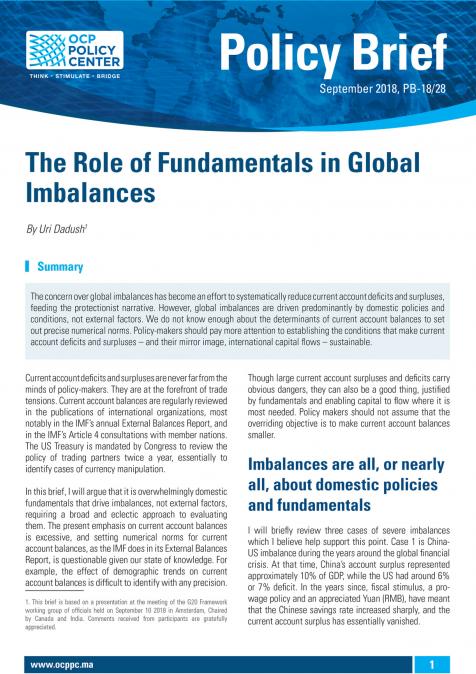
    The concern over global imbalances has become an effort to systematically reduce current account deficits and surpluses, feeding the protectionist narrative. However, global imbalances are driven predominantly by domestic policies and conditions, not external factors. We do not know enough about the determinants of current account balances to set out precise numerical norms. Policy-makers should pay more attention to establishing the conditions that make current account deficits and ...