Libya, Iraq, Syria: The Fatal Mistakes of Post-War Governance

February 6, 2025

Post-conflict governance in the MENA region remains a complex challenge, shaped by historical legacies, institutional weaknesses, and external interventions. Libya exemplifies the pitfalls of prioritizing elections over state-building, leading to fragmented authority and prolonged instability. Security sector reform remains a critical yet unresolved issue, hindered by the entrenchment of militias and competing political factions. The Berlin process attempted a multi-track approach, but international coordination remains a challenge. The absence of a national dialogue further exacerbates divisions, with unresolved debates on governance structures and resource distribution. In Syria, post-war reconstruction faces additional hurdles, including the reintegration of refugees, the role of external actors, and the economic transition away from a war economy. Lessons from Iraq and Afghanistan highlight the dangers of dismantling state institutions without clear alternatives. Addressing these challenges requires a holistic approach, balancing political, economic, and security dimensions while fostering inclusive governance models.
Speakers
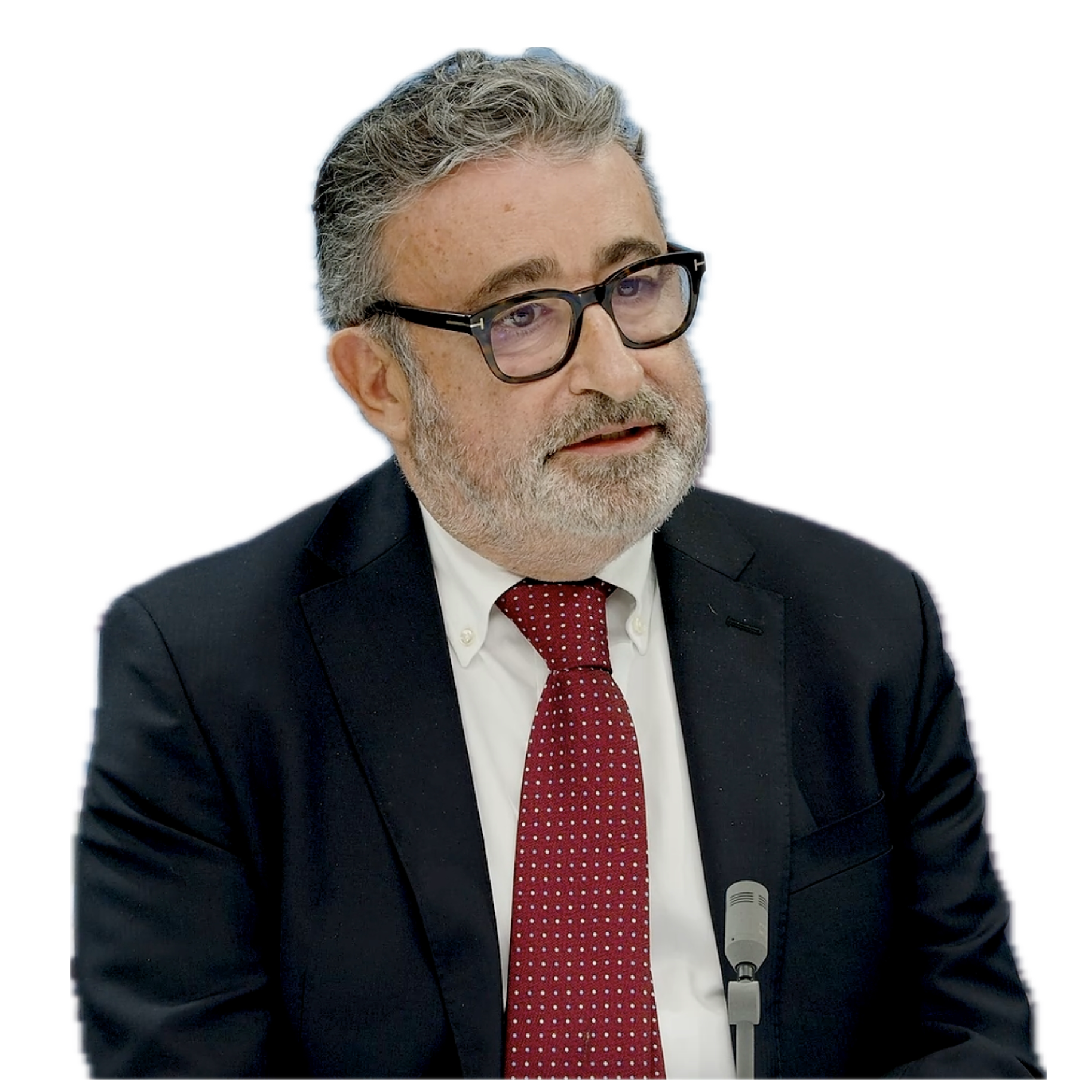
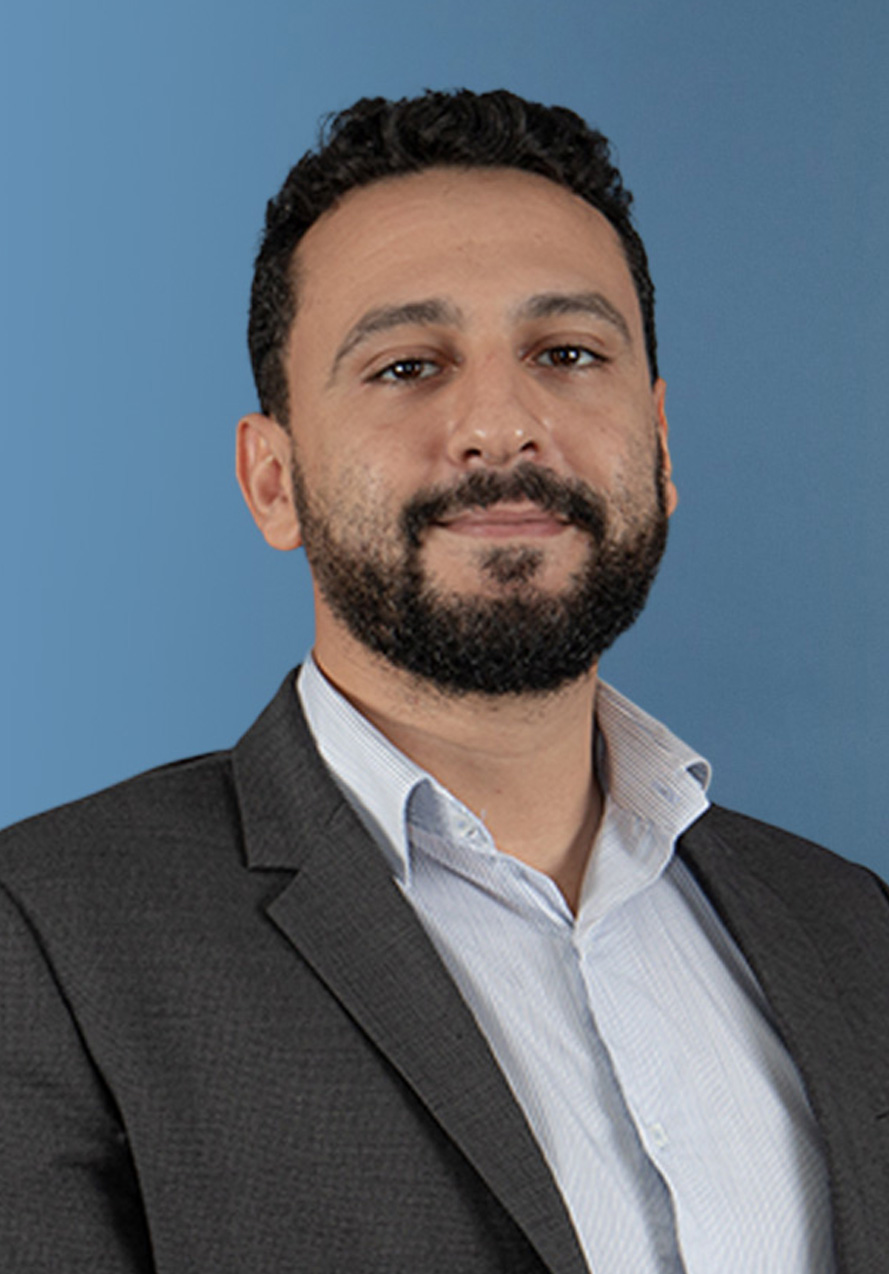
Akram Zaoui
Chargé de Mission to the Executive President
Akram Zaoui is a Senior International Relations Specialist and Chargé de Mission to the Executive President at the Policy Center for the New South (PCNS). Prior to this, he was Manager of Research Support and the Public Policy Lab at the PCNS. His main area of interest is the geopolitical economy of the Extended Middle East and North Africa (MENA) region. From 2018 to 2020, Zaoui was the coordinator of a network of 70+ civil society organizations (CSOs) across France, working with foundations, government, local communities, and the private sector. Zaoui holds a dual degree in corporate and public management from HEC Paris and Sciences Po, as well as a bachelor's degree (licence) in history from Université Paris 1 Panthéon-Sorbonne. He audited courses in Iranian and Shia Stud ...
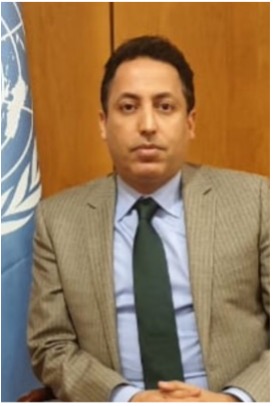
Younes Abouyoub
Morocco, Usa
Director of Governance, State-Building and Conflict Prevention for the MENA Region, United Nations
Younes Abouyoub is a senior United Nations official with a long experience in conflict resolution, peacebuilding, governance, and sustainable development. He previously worked as the Director of the political office of the UN Under-Secretary General for Conflict Prevention; Senior political advisor to the UN Secretary General Special Envoy to Burundi. He directed the political office of the UN Secretary General Special Envoy to Yemen and acted as his Senior special advisor. Among several other positions with the United Nations, Mr Abouyoub was also the senior political officer in charge of the regional affairs in the UN political mission to Libya (UNSMIL), and Senior Regional Expert in the Un Security Council Panel of Experts on Sudan (Darfur). He has also worked in different ...
Luigi Narbone
Director, Mediterranean Platform & Professor of Practice, Luiss Guido Carli University
...

RELATED CONTENT

  • Authors
    Marianna Albuquerque
    September 23, 2026
    The author of this opinion, Marianna Albuquerque, is a 2022 alumna of the Atlantic Dialogues Emerging Leaders Program.As world leaders gather in New York for the 81st United Nations General Assembly, climate change returns to the center of multilateral diplomacy under markedly different circumstances. The debate is no longer confined to whether the world must decarbonize, but increasingly centers on how the transition will happen, who will bear its costs, who will capture ...
  • Authors
    September 23, 2026
    Depuis 2010, environ, on sait que la Méditerranée orientale est une nouvelle province gazière. Des ressources gazières ont en effet été découvertes au large de quatre pays ou territoires, l’Égypte, Israël, Chypre et Gaza. Deux d’entre eux sont devenus producteurs et exportateurs de gaz naturel, l’Égypte et Israël. Au large de Gaza, le champ gazier de Gaza Marine n’a jamais été développé et il est très peu probable qu’il le soit prochainement en raison des très fortes tensions entre ...
  • Authors
    Luladay Berhanu Mengistie
    Guillaume Gérout Suominen
    September 21, 2026
    The African Union Summit of February 2026 instructed the African Continental Free Trade Area (AfCFTA) Council of Ministers to negotiate a Protocol on Industrial Policy and Development. This work, handled without adequate preparation, is likely to reproduce the weaknesses it is meant to remedy. This paper is a conceptual mapping exercise, written to raise the preparatory questions before drafting begins, rather than to prescribe outcomes.It proceeds in five sections:1. It works towar ...
  • Authors
    September 17, 2026
    Various competing cross-border payment networks have become vehicles for geopolitical competition. As tensions have risen, many countries want to secure access to cross-border payment systems by joining with like-minded countries to form interoperable networks, either via tokenization or Instant Payment Systems (IPSs). Three major projects are under development, serving the strategic interests of the US, China and the Rest of the World—corresponding to the three trading spheres taki ...
  • September 16, 2026
    Much of Western debate was revealingly silent on the Shanghai Cooperation Organization (SCO) summit, which took place on August 31 and September 1 in Bishkek, Kyrgyzstan. That relative silence reflects how poorly the organization’s growing significance is still understood. The meeting has not gone unreported. Any gathering of Xi Jinping, Narendra Modi, and Vladimir Putin inevitably attracts&nbs ...
  • Authors
    Joana Ama Osei-Tutu
    September 12, 2026
    The author of this opinion, Joana Ama Osei-Tutu, is a 2017 alumna of the Atlantic Dialogues Emerging Leaders Program.South-South cooperation (SSC) is often presented as an alternative to the hierarchical relationships that have historically characterized international development. In principle, SSC means Global South countries learn from one another, share expertise and resources, and develop solutions grounded in their own experiences, rather than importing models designe ...
  • September 8, 2026
    La conférence de lancement du projet POMIRE Sud-Sud, tenue au Policy Center for the New South à Rabat les 11 et 12 février 2026, a constitué un moment fondateur. Pour la première fois, l'ensemble des acteurs institutionnels de cinq des six pays partenaires du projet — Côte d'Ivoire, Guinée, Mali, Maroc et Sénégal — se sont réunis pour poser les piliers d’une vision commune et identifier les priorités qui guideront les phases opérationnelles du projet. Quatre focus groupes thématique ...