حديث الثلاثاء - البنوك المغربية في أفريقيا: فرص وتحديات التوسع

August 13, 2024

شهد القطاع المصرفي المغربي توسعًا ملحوظًا في الأسواق الأفريقية خلال السنوات الأخيرة. من خلال هذا التوسع، تسعى البنوك المغربية إلى ترسيخ وجودها في أسواق تشهد طلباً متزايداً على الخدمات المالية، واستغلال الفرص الاستثمارية التي توفرها القارة الأفريقية. ولكن ما هي الدوافع الحقيقية وراء هذا التوجه؟ كيف استطاعت البنوك المغربية تحقيق النجاح في هذه الأسواق؟ وما هي التحديات التي تواجهها وكيف تتعامل معها؟ أسئلة وأخرى نجيب عنها في هذه الحلقة رفقة ضيفتنا أميمة بوغريبة، باحثة في الاقتصاد في مركز السياسات من أجل الجنوب الجديد

Speakers
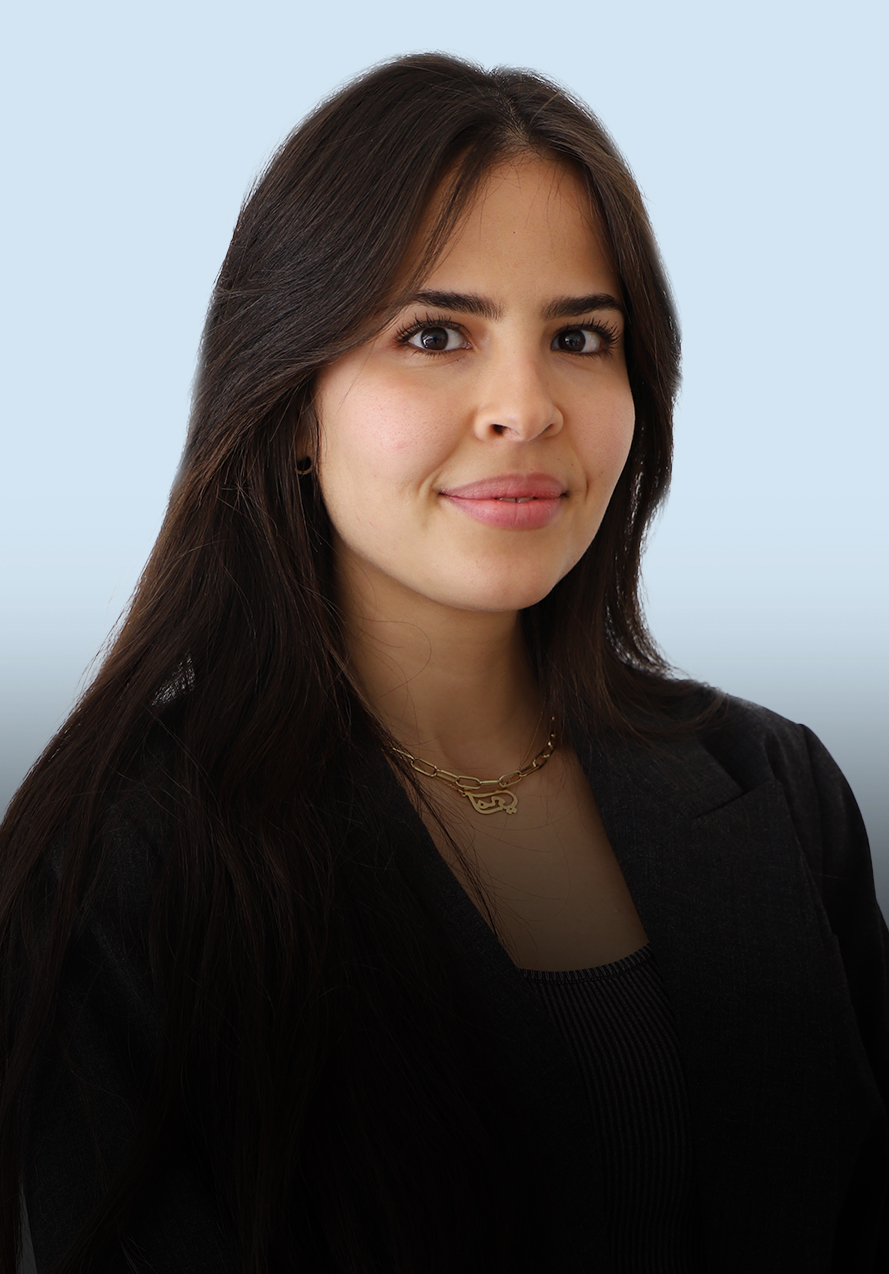
Oumayma Bourhriba
Senior Economist
Oumayma Bourhriba is a Senior Economist at the Policy Center for the New South (PCNS).At the PCNS, which she joined in 2019, Oumayma Bourhriba conducts research focusing on macroeconomic policies and international trade, with a particular emphasis on services.She has contributed to major publications on the Moroccan economy, such as the IMF’s Morocco's Quest for Stronger and Inclusive Growth (2023) and the World Bank’s Trade Policy in Morocco: Taking Stock and Looking Ahead (2023). Beyond her research, she has coordinated the Africa Economic Symposium, one of the flagship convenings organized by the PCNS.Oumayma Bourhriba holds a master’s degree in applied economics from University Mohammed V (UM5), where she is currently a PhD candidate.She is fluent in Arabic, English, ...
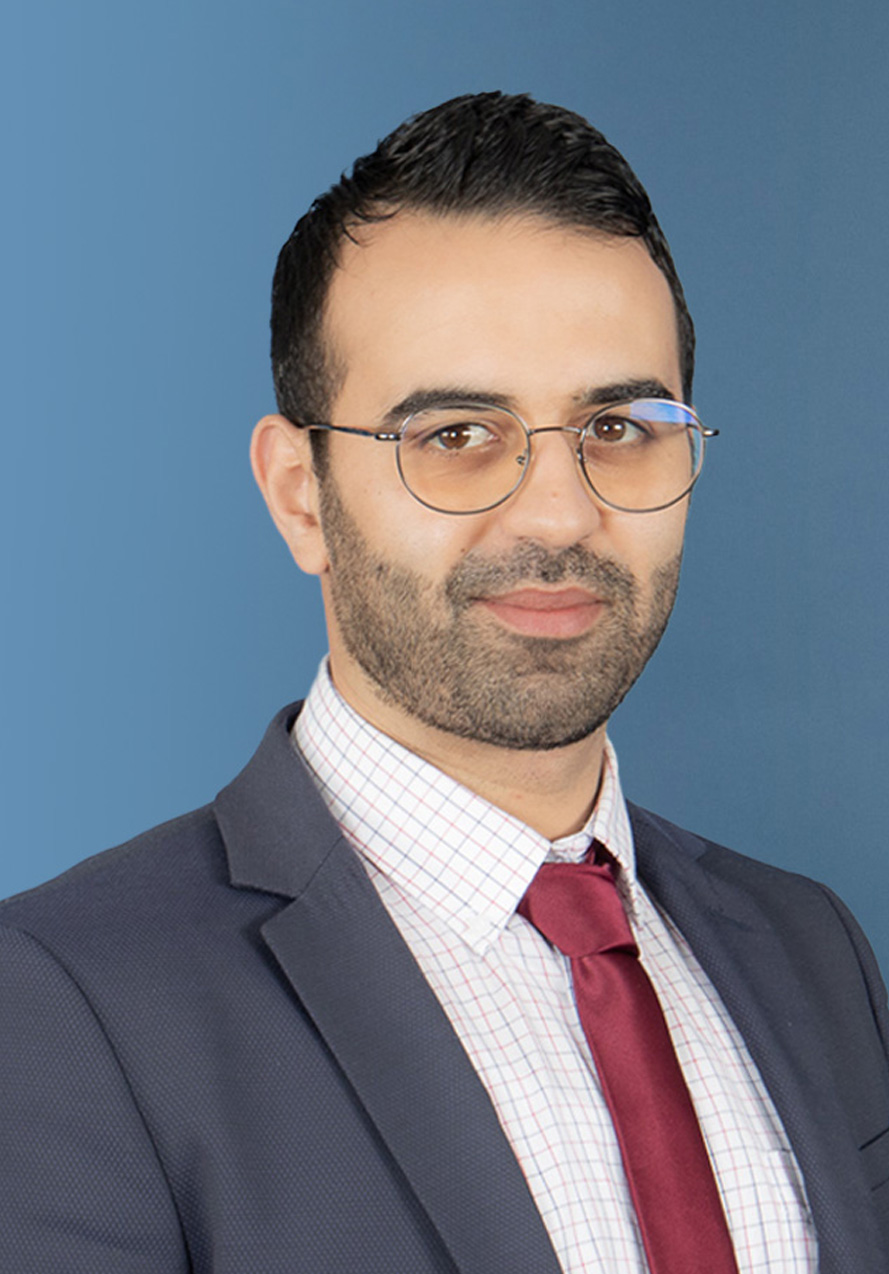
Badr Mandri
Economist
Badr Mandri is a Senior Economist at the Policy Center for the New South (PCNS), after an experience at Morocco's Haut-Commissariat au Plan (HCP). His research focuses primarily on macroeconomics, commodity markets, and development economics, having notably directed a collective volume on human capital. He also serves as an executive trainer at Mohammed VI Polytechnic University (UM6P), delivering specialized programs on public finance and fiscal policy for public sector professionals.Badr Mandri holds a Master's degree in Applied Economics from Mohammed V University in Rabat. ...
RELATED CONTENT

  • From

    11
    10:00 am November 2026
    Depuis 2021, le Policy Center for the New South, le Programme des Nations Unies pour le développement et le Groupe de la Banque mondiale portent conjointement l’initiative « Parlons Développement », une plateforme de réflexion collective sur les enjeux du développement durable au Maroc. Organisée avec différents partenaires, notamment du monde académique et de la société civile, cette plateforme destinée à la jeunesse vise à rapprocher les débats stratégiques de ses préoccupations et à favoriser le dialogue autour de réponses concrètes aux défis du développement.Dans cette continuité, la 25ᵉ édition de « Parlons Développement », organisée en partenariat avec la Faculté des Sciences Juridiques, Économiques et Sociales de l’Université Mohammed Premier d’Oujda, sera consacrée au ...
  • Authors
    Aziz Ajbilou
    Ouidade Sabri
    November 4, 2026
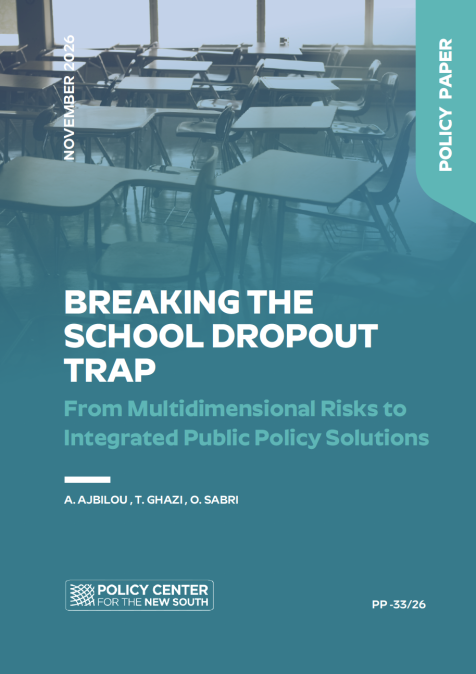
    School dropout remains a major challenge for education systems and public policy, with lasting consequences for human capital, labor market integration, social cohesion, and long-term economic growth. Despite sustained efforts to expand access to schooling, many countries continue to experience high dropout rates, particularly at key transition points in lower- and uppersecondary education. Policy responses have often relied on fragmented, sector-specific interventions—addressing ed ...
  • Authors
    Bambang Brodjonegoro
    November 2, 2026
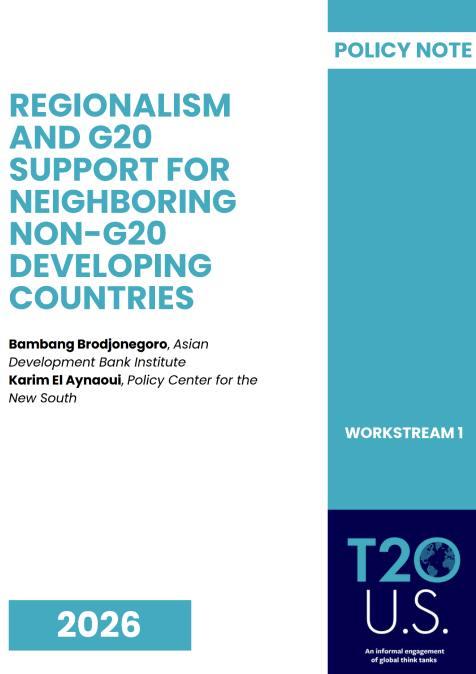
    This policy note was published as part of the T20 U.S. 2026 Workstreams, under the workstream “Fostering Trade and People-Centered Economic Growth,” which brings together policy experts to develop recommendations for G20 policymakers. The Group of Twenty (G20) accounts for most of the world’s output, yet its decisions shape the prospects of 174 United Nations Member States without G20 membership, among them the great majority of least developed countries and small states. Many ...
  • Authors
    October 27, 2026
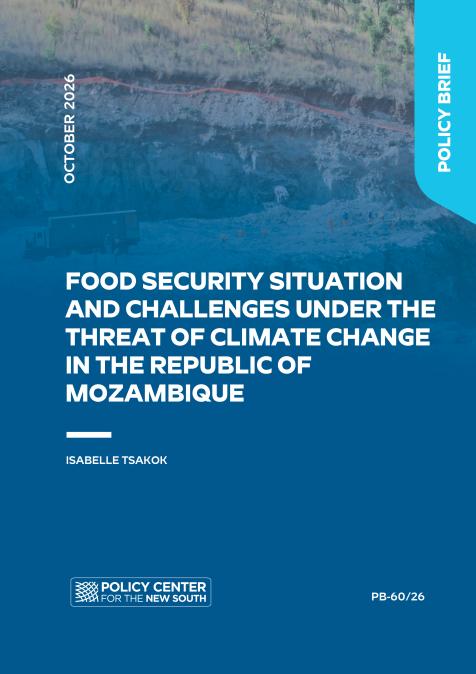
    Mozambique’s extractive-industry development model is a textbook case of how enormous FDI funds derived from its rich mineral base have not been leveraged to   promote inclusive economic growth and generate food security for all. It is a textbook case of the resource curse.  Instead, only a few have benefitted, leaving the poor and vulnerable, who constitute the vast majority, to struggle unassisted. These include smallholders in subsistence-oriented agriculture ...
  • October 23, 2026
    In this episode, Mehran Haghirian explores the global economic consequences of disruptions in the Strait of Hormuz, beyond oil and gas. He examines their impact on trade, fertilizer suppl ...
  • October 15, 2026
    The Policy Center for the New South, in partnership with The Asian Network, is organizing a webinar titled “Emerging Powers and the Remaking of Global Order” to examine the growing role of emerging powers and the Global South at a time of profound transformation in the international sys...
  • October 14, 2026
    في ظل التوترات الجيوسياسية المتصاعدة، تتغير طرق التجارة العالمية وتتبدل معها موازين الممرات الاستراتيجية. تفتح هذه الحلقة من «حديث الثلاثاء» النقاش حول التقاء المسارات البحرية والبرية داخل هذه الممرات، والعوامل التي تتحكم في طبيعة السلع التي تعبرها. وتبحث كذلك في ما يمكن للمغرب أن يجنيه...
  • Authors
    Florent Parmentier
    October 12, 2026
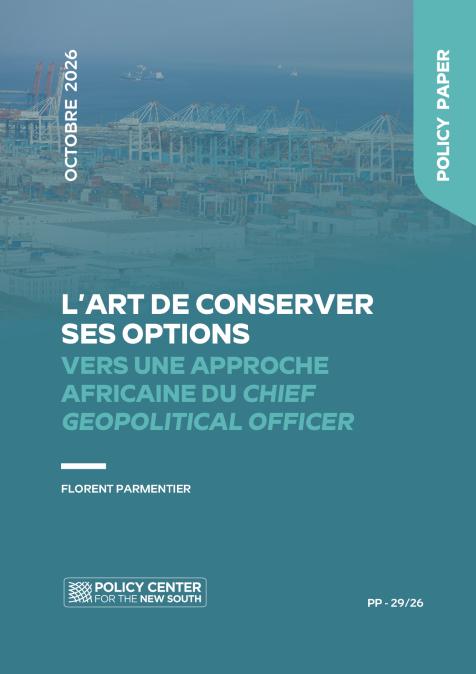
    Cet article soutient que le Chief Geopolitical Officer (CGO) doit être repensé à partir de l’expérience des entreprises africaines. Dans un environnement multipolaire et fragmenté, leur principal défi n’est pas seulement la gestion des risques, mais la préservation de plusieurs options stratégiques simultanément selon une logique de hedging. Trois modèles de CGO sont à distinguer : l’intermédiation (Office chérifien des Phosphates (OCP), Tanger Med), l’intégration régionale (Ethiopi ...