(FR) Growth–poverty–monetary inequality nexus of Morocco

April 29, 2026

Cet épisode analyse les dynamiques du nexus croissance–pauvreté–inégalités monétaires au Maroc, en mettant en perspective la baisse significative de la pauvreté observée ces dernières années. Il interroge le rôle respectif de la croissance économique et des politiques publiques dans cette évolution. La discussion examine également le paradoxe d’une amélioration des conditions de vie sans réduction marquée des inégalités. Enfin, elle questionne les limites du modèle de croissance marocain et les enjeux d’une transformation structurelle encore inachevée.

Speakers
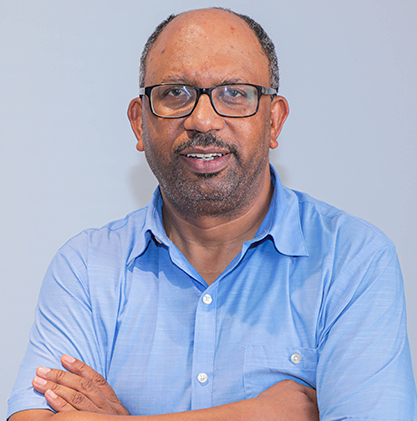
Abdelkhalek Touhami
Full Professor, Mohammed VI Polytechnic University, Rabat
Touhami Abdelkhalek is a Researcher in Applied Economics, specializing in econometrics, development and public policy analysis. Affiliated with the Africa Institute of Research in Economics and Social Sciences (AIRESS) and associated with several international centres (ERF, FEMISE, CRDE, etc.), his work focuses on modelling, economic policy evaluation, poverty, and inequality. He has published several articles in journalssuch as Review of Economics and Statistics and Applied Economics and contributed to the RDH50 report. A professor at the FGSES—UM6P since 2021, after more than 30 years at INSEA, he heads the Master’s and PhD programs in economics. He was awarded the Wissam Al Arch in 2017 and is member of the Competition Council since 2018. ...
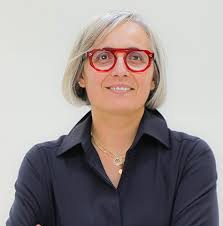
Dorothée Boccanfuso
Full Professor, Mohammed VI Polytechnic University, Rabat
Dorothée Boccanfuso is a Professor and Researcher in Development Economics,specializing in the analysis of welfare, poverty, inequality, and the evaluation of publicpolicies. She has published more than 30 articles in scientific journals such as AppliedEconomics and Revue d’économie du développement. Affiliated with AIRESS, Centreinteruniversitaire de recherche en analyse des organisations (CIRANO), and EconomicResearch Forum (ERF), she has been conducting applied research in Africa and theFrancophone countries for over 25 years. She also chaired the Expert Committee on theGuaranteed Minimum Income in Quebec (2016–2018). Professor at UM6P since 2020, sheis Vice-Dean in charge of the economic pole of the FGSES. ...
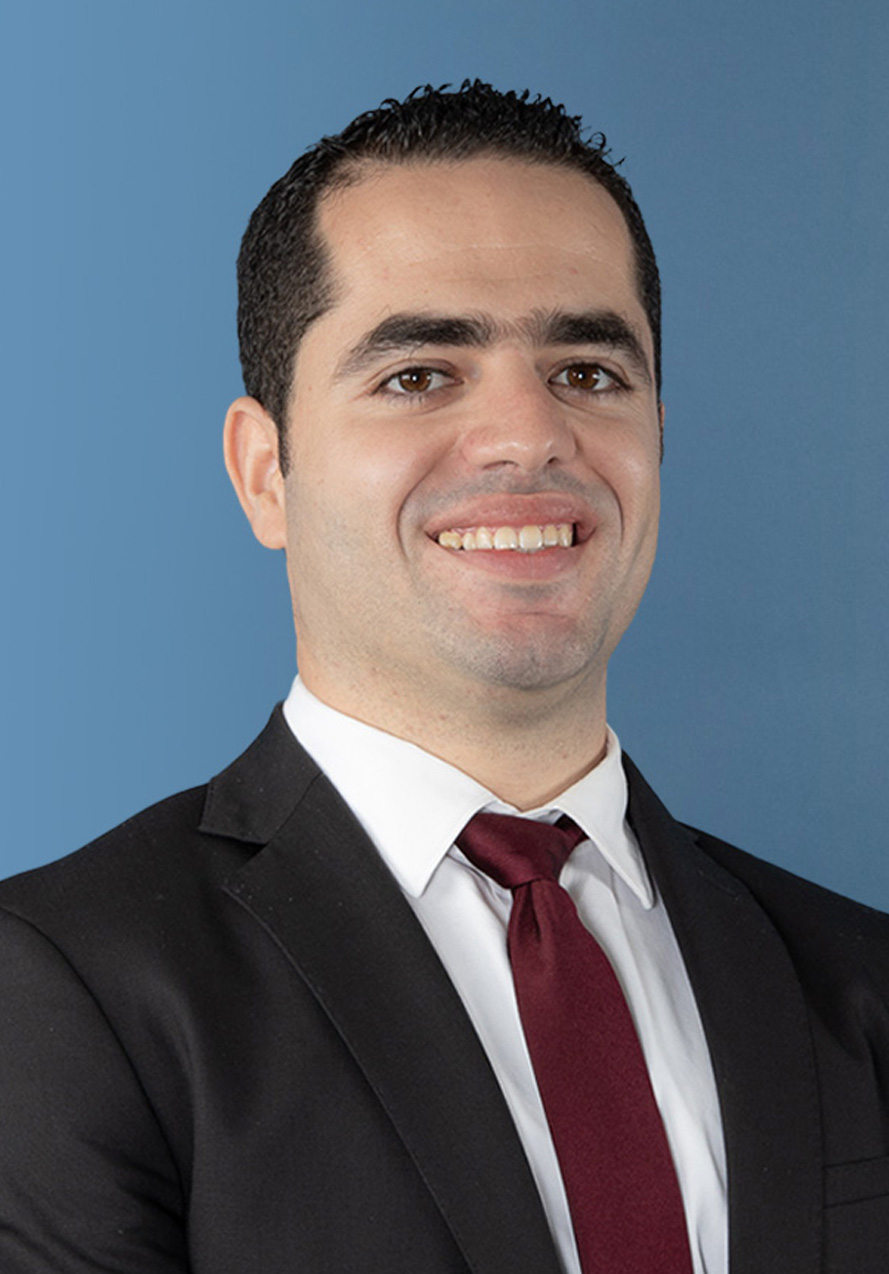
Hamza Saoudi
Senior Economist
Hamza Saoudi is a Senior Economist at the Policy Center for the New South (PCNS).At the PCNS, Hamza Saoudi conducts research on labor market dynamics, social protection systems, and inclusive growth, with a particular focus on Morocco and Africa. He is also interested in macroeconomic stabilization policies, international trade, and long-term economic development.He has contributed to PCNS projects and publications addressing informality, social protection, and inequality in developing economies.He also served as the project coordinator of the Oxford Handbook of the Moroccan Economy, published by Oxford University Press in 2026.Before joining the PCNS in 2017, Hamza Saoudi contributed to the development of quantitative models for bank credit risk management.Hamza Saoudi holds ...

RELATED CONTENT

  • Authors
    Hajar Kabbach
    March 9, 2023
    Gender disparities in the labor market persist as a serious challenge, resulting in lower participation rates for women than men. This gender gap in labor force participation varies considerably across regions, with female participation rates consistently lagging men. After some progress during the last few decades, the multiple crises faced by the global economy in recent times – pandemic, the war in Ukraine, rising risks of climate change, and slowing growth after high inflation ...
  • November 1, 2022
    يعتبر تعميم الحماية الاجتماعية كدعامة من دعامات نموذج الدولة الاجتماعية التي نلاحظ ملامحها بشكل متزايد منذ الأزمة الصحية. ونذكر أن هذا الورش المجتمعي يهدف إلى إرساء منظومة تضامنية إجبارية بغية توفير الحماية للجميع وصيانة حقوقهم بالإضافة إلى تيسير ولوجهم إلى الخدمات الاجتماعية والصحية في...
  • August 4, 2022
    Dans cet épisode d’Africafé, Gilles Yabi analyse les enjeux des inégalités en Afrique et les moyens de palier à ce manquement des économies Africaines. En compagnie de Hamza Saoudi, cet épisode passe aussi en revue les politiques publiques mises en œuvre par les Etats Africains pour com...
  • Authors
    March 9, 2022
    It was a grey day with a drizzle here and a drizzle there when mourners gathered at St George’s Cathedral in a usually sunny Capetown to pay their last respect to the Arch Bishop Desmond Tutu, the moral force against Apartheid struggle in South Africa was subdued and thoughtful as human beings when death and a rendezvous with eternity have been called. South Africa’s president Cyril Ramaphosa led his nation and the world in remembering Tutu. He described him as “our moral compass a ...
  • Authors
    February 17, 2022
    Their boat-if you name a large rubber pumped up like a giant tire, was rocked by waves, and the engine halted its movements. On November 24, all the 29 passengers tried to reach coastguard stations in France and England via their cell phones few minutes between life and death. No one answered, and when finally contact was established by another, still floating migrant boat, witnessing the tragedy in the making (New York Times December 14, 2021), they were asked to pinpoint their l ...
  • Authors
    December 31, 2021
    Xenophobic violence against minorities and non-nationals has erupted periodically in different parts of Africa: against Somalis in Kenya, Nigerians in Ghana, Chadians in Libya, and Asians in South Africa. Scholars have offered various explanations for these outbursts of violence, focusing on inequality or how simultaneous market reforms and democratization can unleash resentment against “market- dominant minorities.” Others see the violence as linked to elections, noting how politic ...
  • September 24, 2021
    In July 2021, the United Nations issued a condemnation against the “dramatic rise” in attacks against “descent-based slaves” in Mali, calling the violence “unacceptable”[i]. The statement was in response to a tragic episode in the eastern region of Kayes, where landowners using machetes and rifles assaulted a group of indentured laborers to prevent them working on the landowners’ fields. Tomoya Okobata, the UN's Special Rapporteur on Contemporary Forms ...