Africafé : quelle place pour les pays de l'Afrique au sein du Commonwealth?

January 27, 2022

Africafé est une émission du Policy Center for the New South qui décrypte l’actualité des organisations africaines et de l’Afrique. A travers de courtes interviews, l’émission tente de proposer d’aborder de manière pédagogique les enjeux des organisations africaines et l’actualité du continent. Dans cet épisode Mohammed Loulichki Senior fellow au Policy Center for the New South, présente le Commonwealth à travers trois questions simples : à quoi sert l’organisation, quelle est son actualité et quels sont ces enjeux ?

Speakers
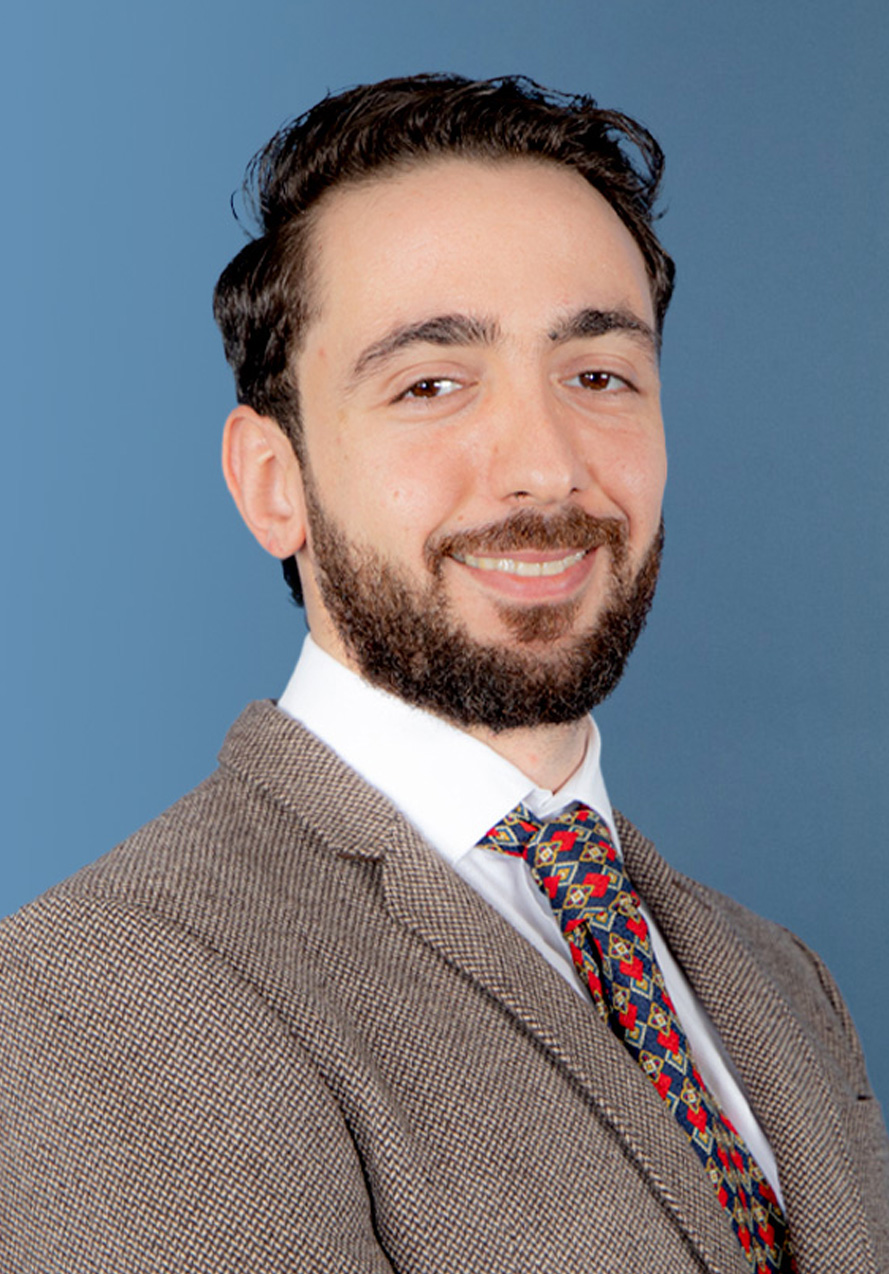
Youssef Tobi
International Relations Specialist
Tobi Youssef has joined the Policy Center for the New South in 2017. He is currently working on Politics and Governance in the Maghreb Region; his areas of expertise are geopolitics, political risk and nation building. Youssef Tobi obtained a Master Degree at Sciences Po Lyon  where he wrote two thesis on “ the role of Moroccan Bank in Africa, a non-state actor in service of the Diplomacy”  and the“ Chasm between the mediatic and associative representation of refugees : a case study”.  Prior to working at the Think tank, Tobi Youssef participated in a Social Entrepreneurship Project in Beirut, Lebanon and conducted an internship in a NGO based in Marseille where he assisted refugees and helped raise funds. ...
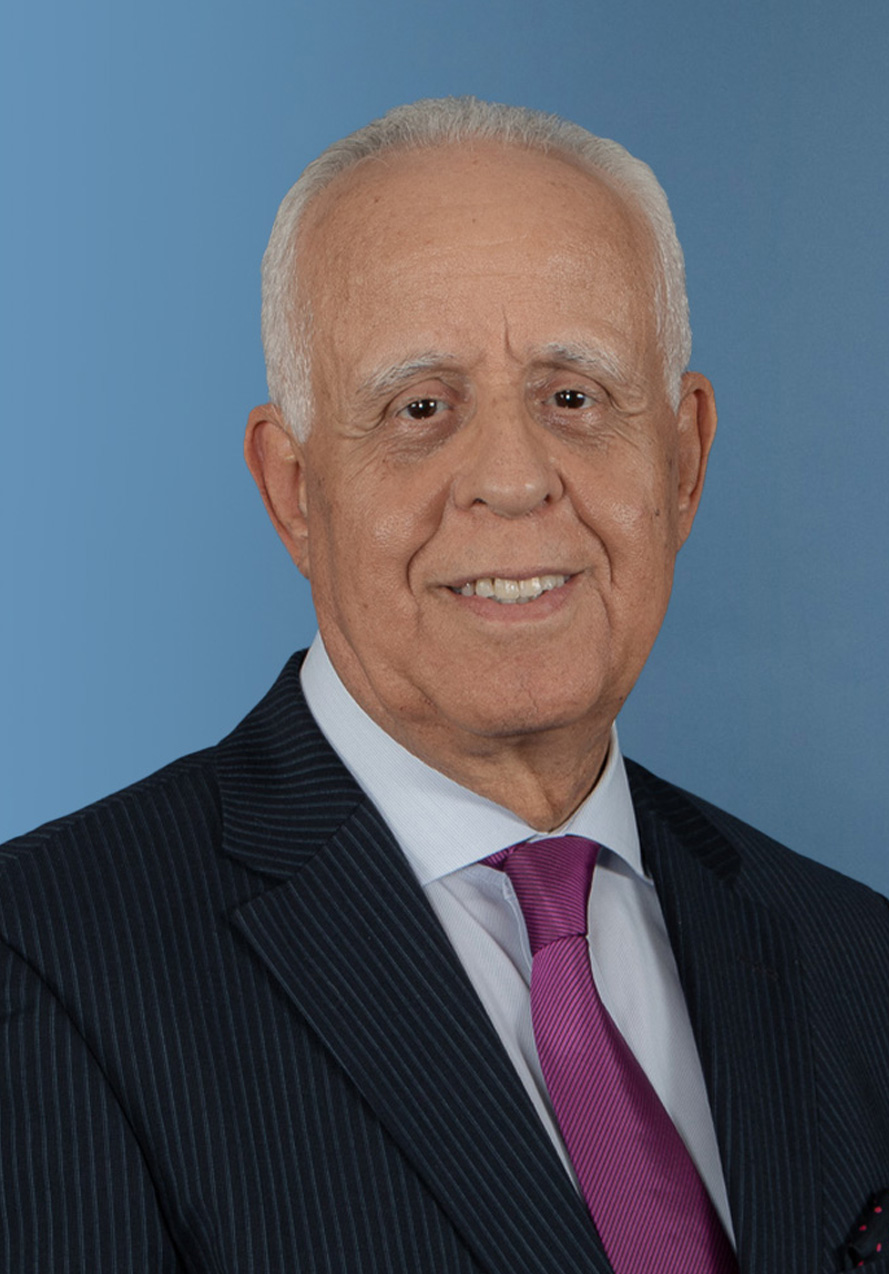
Mohammed Loulichki
Senior Fellow
Mohammed Loulichki is a Senior Fellow at the Policy Center for the New South and an Affiliate Professor at Mohammed VI Polytechnic University. He brings over 40 years of comprehensive experience in diplomacy, conflict resolution, and human rights. He has served in various roles including as a member and Deputy Head of the Moroccan delegation to the 3rd Conference on the Law of the Sea (1982-1990), Head of the Department of Legal Affairs and Treaties at the Ministry of Foreign Affairs (1988-1991), and General Director for Multilateral Affairs in the same ministry (2003-2006).   He also acted as Morocco's Ambassador to Hungary, Bosnia-Herzegovina, and Croatia (1995-1999), and was the Moroccan Government's Ambassador Coordinator with MINURSO (1999-2001). Furthermore, he se ...

RELATED CONTENT

  • Authors
    Marianna Albuquerque
    September 23, 2026
    The author of this opinion, Marianna Albuquerque, is a 2022 alumna of the Atlantic Dialogues Emerging Leaders Program.As world leaders gather in New York for the 81st United Nations General Assembly, climate change returns to the center of multilateral diplomacy under markedly different circumstances. The debate is no longer confined to whether the world must decarbonize, but increasingly centers on how the transition will happen, who will bear its costs, who will capture ...
  • Authors
    Joana Ama Osei-Tutu
    September 12, 2026
    The author of this opinion, Joana Ama Osei-Tutu, is a 2017 alumna of the Atlantic Dialogues Emerging Leaders Program.South-South cooperation (SSC) is often presented as an alternative to the hierarchical relationships that have historically characterized international development. In principle, SSC means Global South countries learn from one another, share expertise and resources, and develop solutions grounded in their own experiences, rather than importing models designe ...
  • August 14, 2026
    In this Episode, Arup Banerji discusses why local expertise—not just international advice—should be intentionally embedded in African development policy. He cites cash transfer programs a ...
  • July 7, 2026
    For a long time, security in the Sahel relied on Western military deployments, which failed to curb the jihadist threat, thereby demonstrating the limitations of a cooperation model based on logistical and doctrinal dependence on foreign partners. The three Sahelian states have decided to break away from this system and build“integrated security sovereignty.” This approach has taken hold against a backdrop of openness to new partners. Russia has thus established itself as the main m ...
  • June 26, 2026
    Three years after the adoption of the first National Action Plan (NAP) on the Women, Peace and Security (WPS) Agenda, Morocco has made real institutional progress, but implementation is still inadequate. The extension of the NAP opens a window of opportunity to prepare a second, more ambitious and operational cycle.This Policy Brief identifies four persistent obstacles: a virtually stagnant female employment rate of 19.1%, less than 3% female representation in peacekeeping contingen ...
  • June 15, 2026
    As part of the OECD Multilateral Development Finance Week 2026 (MDF Week), the Policy Center for the New South (PCNS) is organizing a webinar entitled “Rethinking Development Finance: African Agency and the Future of Multilateral Development Co-operation after ODA Retrenchment.” The dis...
  • April 24, 2026
    Pendant longtemps, la sécurité du Sahel reposait sur les dispositifs militaires occidentaux qui ne sont pas parvenus à juguler la menace jihadiste, démontrant ainsi les limites d’un modèle de coopération fondé sur la dépendance logistique et doctrinale envers les partenaires étrangers. Les trois États sahéliens ont décidé de rompre avec ce système et de construire « une souveraineté sécuritaire intégrée » Cette orientation s’est affirmée dans un contexte d’ouverture à de nouvea ...