Publications /
Policy Paper
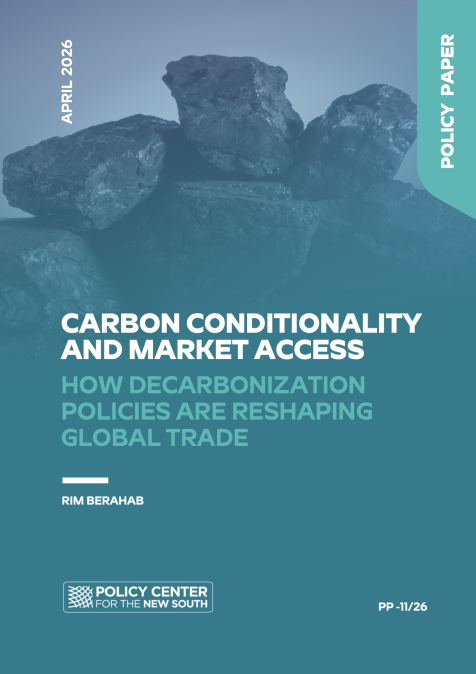
Climate policy is increasingly reshaping the conditions under which firms participate in international markets. As some jurisdictions introduce carbon border adjustments, lifecycle emissions standards, and supply-chain traceability requirements, market access is starting to be made conditional on verifiable characteristics of production processes, such as carbon intensity, embedded emissions, and input sourcing, rather than solely on product characteristics or prices. This paper examines how these emerging climate-linked measures operate as eligibility regimes that require firms to measure, document, and verify embedded emissions and supply-chain attributes, using standardized methodologies.
To clarify the economic logic of these mechanisms, the paper first makes a functional comparison with rules of origin, highlighting common features related to eligibility criteria, documentation, and supply-chain tracing. It then analyzes the European Union Batteries Regulation, which links market participation to lifecycle carbon-footprint disclosure and traceability, and the United States Inflation Reduction Act, which aimed to reshape supply chains through localization incentives and manufacturing subsidies. The paper finally examines the strategic responses available to economies outside the main standard-setting blocs, including regulatory alignment, dual compliance across regulatory regimes, and market reorientation toward less-demanding jurisdictions.