Helmut Sorge in conversation with Amal El Ouassif on Migration and The Brain Drain

July 9, 2021

Helmut Sorge in conversation with Amal El Ouassif on Migration and The Brain Drain

Speakers
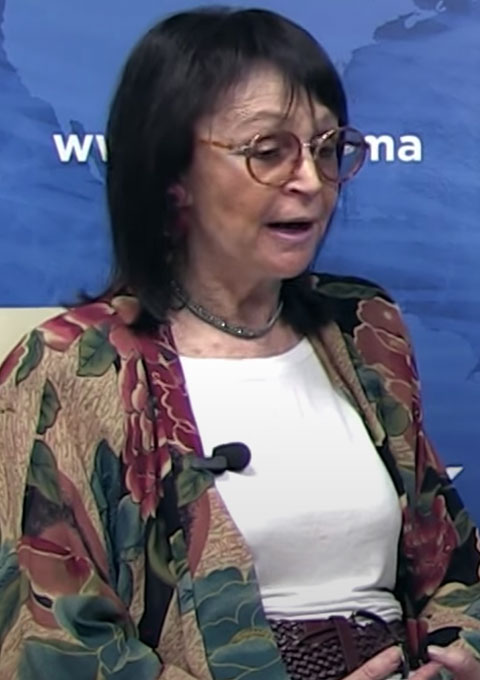
Helyette Geman
Senior Fellow
Helyette Geman is Senior Fellow at the Policy Center for the New South, Director of the Commodity Finance Center at Birkbeck, University of London, and a Research Professor at the Johns Hopkins University, who focuses on Probability, Commodities and Finance. She was Chairman of the Finance Department at ESSEC Business School from 1988 to 1995, and the Director of Dauphine Master 203 at the University of Paris Dauphine from 1995 to 2005. Helyette Geman is a Graduate from Ecole Normale Supérieure in Mathematics and holds a PhD in Probability and a PhD in Finance. She worked as a scientific expert for EDF Trading, Louis Dreyfus, BMP Billiton, Bunge Invivo and financial institutions. Her book “Commodities and Commodity Derivatives” published in 2005 by Wiley Finance has become th ...
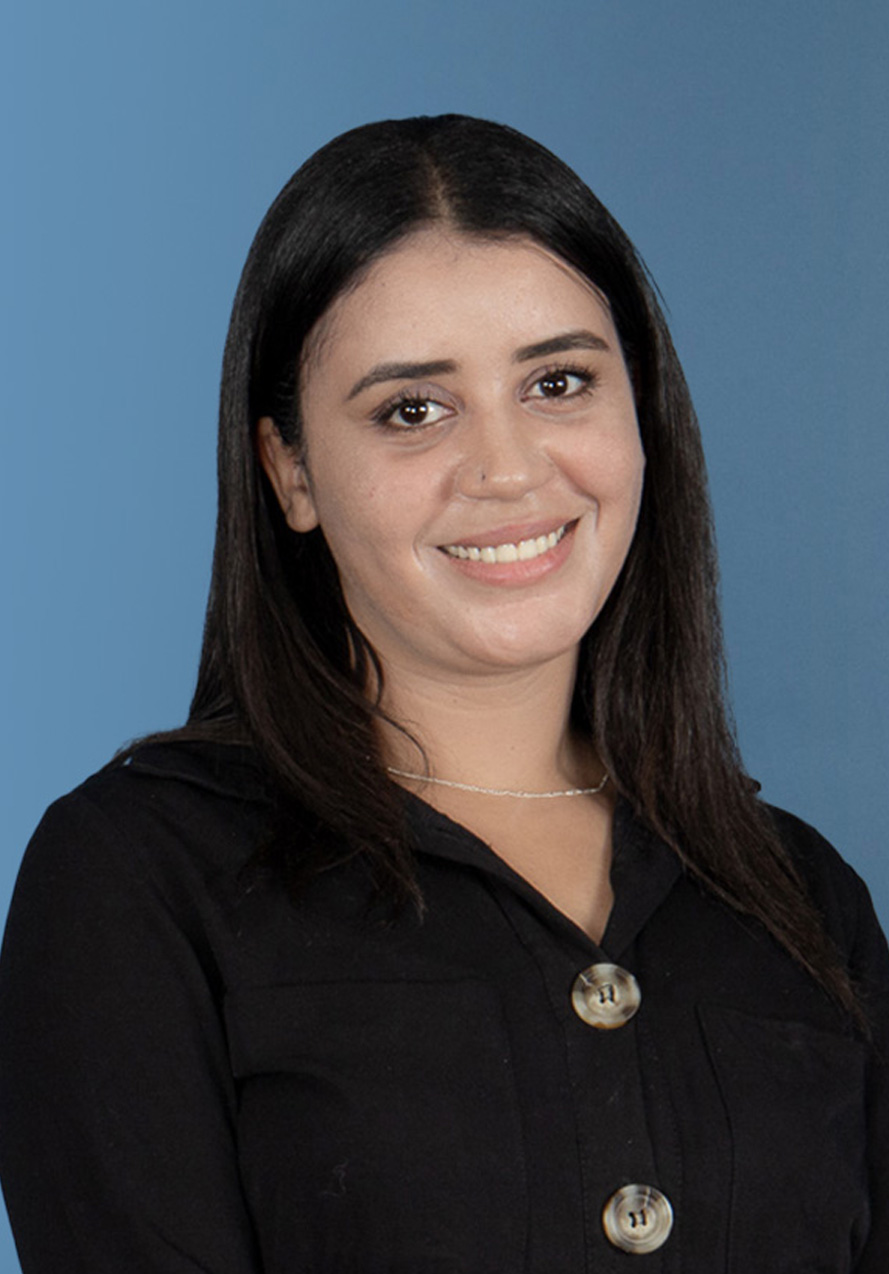
Amal El Ouassif
Senior International Relations Specialist
Amal El Ouassif is a Senior International Relations Specialist at the Policy Center for the New South (PCNS).She is also a PhD candidate in Forced Displacement Induced by Climate Change at University Mohammed VI Polytechnic (UM6P) and CNAM-Paris and a member of the IDRC-FGSES Chair of UM6P on Forced Displacement Studies.At the PCNS, Amal El Ouassif conducts research on topics including migration, forced displacement, and Euro-Mediterranean cooperation.Before joining PCNS in 2018, she worked as a program coordinator at the Westminster Foundation for Democracy and served as a consultant in development policies with the office of the Deutsche Gesellschaft für Internationale Zusammenarbeit (GIZ) in Morocco.She is also a former bluebook trainee in the Directorate General ...

  • Authors
    December 7, 2015
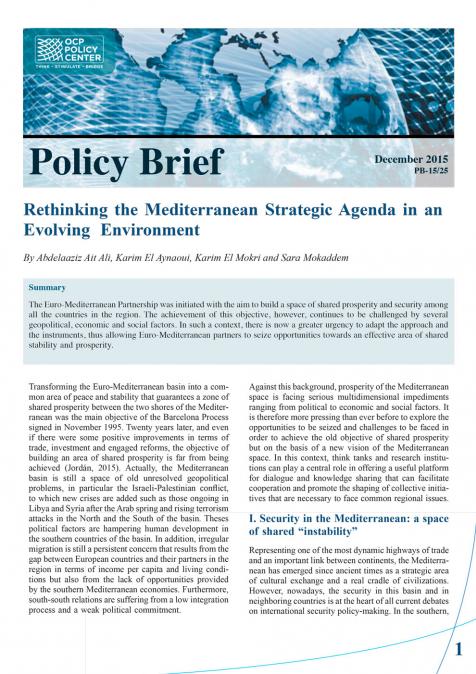
    The Euro-Mediterranean Partnership was initiated with the aim to build a space of shared prosperity and security among all the countries in the region. The achievement of this objective, however, continues to be challenged by several geopolitical, economic and social factors. In such a context, there is now a greater urgency to adapt the approach and the instruments, thus allowing Euro-Mediterranean partners to seize opportunities towards an effective area of shared stability and pr ...
  • November 24, 2015
    This podcast is performed by Eduard Soler. Erdoganism in Turkey: Erdogan has become the President of the Republic and continues to dominate Turkish politics. This briefing will analyze th ...
  • November 5, 2015
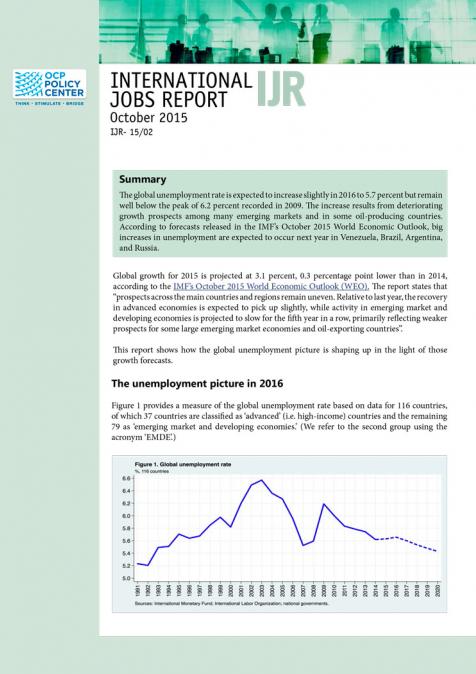
    The global unemployment rate is expected to increase slightly in 2016 to 5.7 percent but remain well below the peak of 6.2 percent recorded in 2009. The increase results from deteriorating growth prospects among many emerging markets and in some oil-producing countries. According to forecasts released in the IMF’s October 2015 World Economic Outlook, big increases in unemployment are expected to occur next year in Venezuela, Brazil, Argentina, and Russia. ...
  • September 22, 2015
    This podcast is performed by Nicolas de Pedro. Narendra Modi completes a year as head of the Indian government with his balance sheet in credit, but the prevailing mood is one of slight d ...
  • August 18, 2015
    OCP Policy Center and the German Marshall Fund of the United States, in partnership with the Fernando Henrique Cardoso Institute, organized an Atlantic Strategy Group conference on June 23rd and 24th, 2015 in São Paulo, Brazil with a focus on trade, energy, food, and Geopolitical System...
  • Authors
    Guillame Xavier-Bender
    August 10, 2015
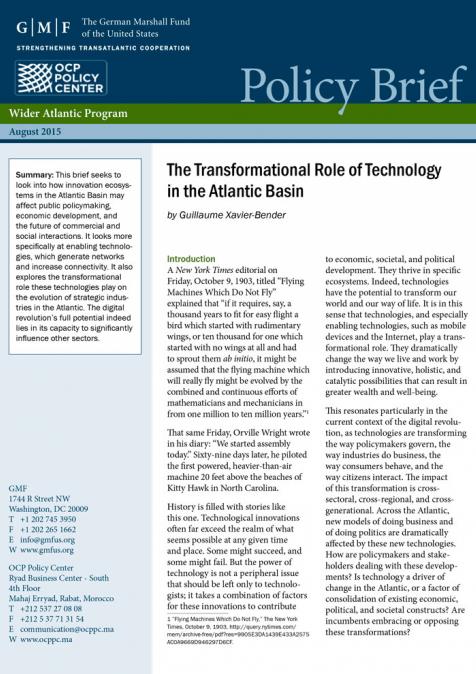
    This brief seeks to look into how innovation ecosystems in the Atlantic Basin may affect public policymaking, economic development, and the future of commercial and social interactions. It looks more specifically at enabling technologies, which generate networks and increase connectivity. It also explores the transformational role these technologies play on the evolution of strategic industries in the Atlantic. The digital revolution’s full potential indeed lies in its capacity to s ...