حديث الثلاثاء: حلقة خاصة - تقديم التقرير السنوي لتحليل ديناميات السلع في إفريقيا

يخصص مركز السياسات من أجل الجنوب الجديد حلقة برنامجه الأسبوعي "حديث الثلاثاء" لتقديم التقرير السنوي لتحليل ديناميات السلع في إفريقيا مع بدر منظري، باحث في الاقتصاد، مركز السياسات من أجل الجنوب الجديد. بتعاون بين مركز السياسات من أجل الجنوب الجديد ومركز سيكلوب، تم إصدار النسخة الرابعة من التقرير السنوي لتحليل ديناميات السلع والمواد الخام في إفريقيا. إذ تشكل المواد الخام جزءًا كبيرًا من ملامح الاقتصادات الأفريقية ونظرا لهذا البعد الاستراتيجي ارتأت كلا المؤسستين أن يكون هذا التقرير فريدًا من نوعه باعتماد نهج خاص يوفق بين الموضوعات الهيكلية وكذلك الظرفية لتحليل أسواق السلع العالمية التي تصدر إليها الدول الأفريقية المنتجة. وبالتالي، فإن إصدار النسخة الرابعة لسنة 2021 يهدف إلى الاستمرار في المساهمة في النقاش العام حول الروابط المعقدة بين المواد الخام والبلدان الأفريقية. فما هو سياق التقرير، محاوره وأهدافه؟ وما هي المنهجية المتبعة في إعداده؟ لقد شهدنا مؤخرًا ارتفاعًا مذهلاً في المواد الخام، كيف يمكن تفسير هذه الدينامية؟ ما آثارها على البلدان الأفريقية وكيف يستفيد النمو الأفريقي من المواد الخام مع العلم أن القارة تستهلك أقل مما تنتجه؟ ثم ما هو موقع المغرب في سوق المواد الاولية بإفريقيا والعالم؟

تسيير: إيمان لهريش، مسؤولة عن المشاريع بمركز السياسات من أجل الجنوب الجديد

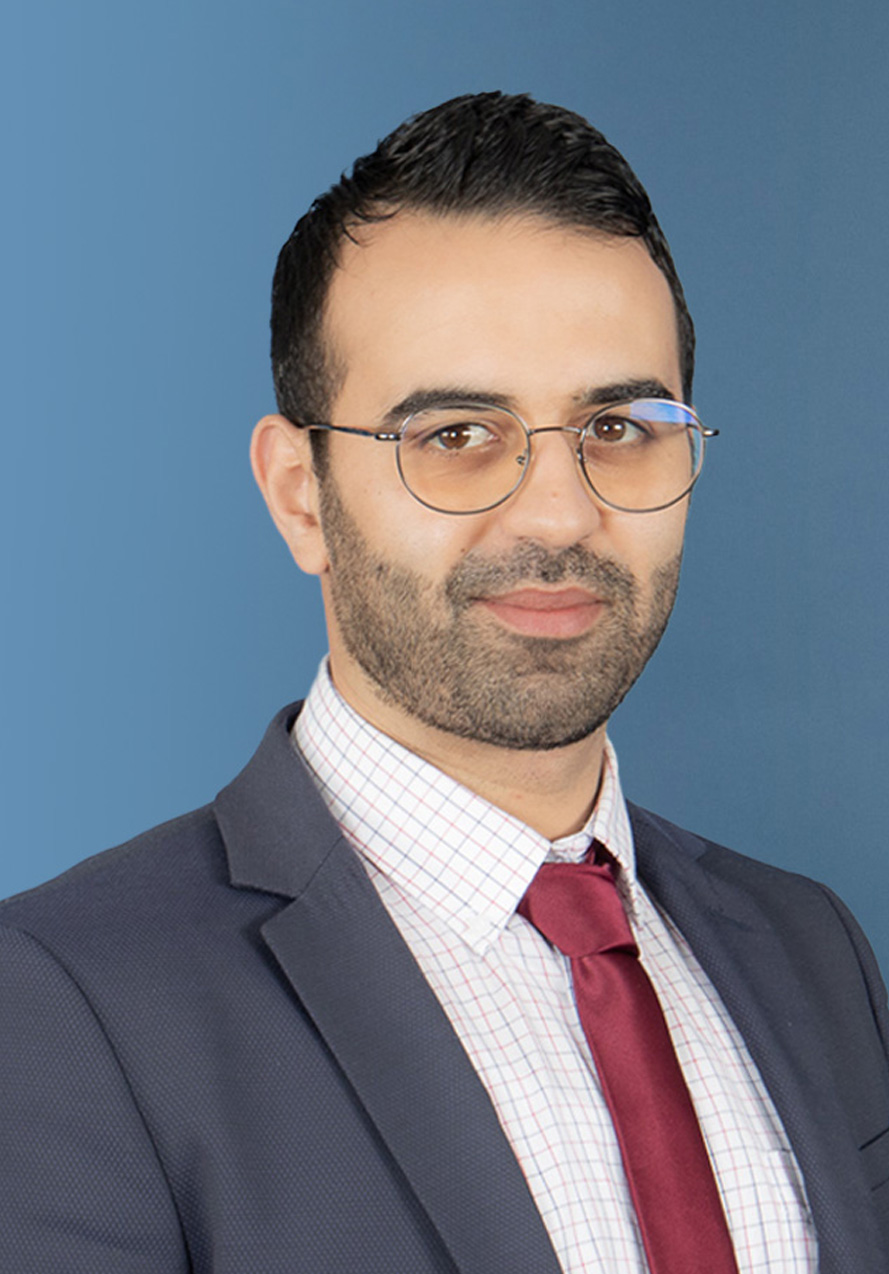
المتدخل: بدر منظري، باحث في الاقتصاد، مركز السياسات من أجل الجنوب الجديد
Speakers
Badr Mandri
Economist
Badr Mandri is a Senior Economist at the Policy Center for the New South (PCNS), after an experience at Morocco's Haut-Commissariat au Plan (HCP). His research focuses primarily on macroeconomics, commodity markets, and development economics, having notably directed a collective volume on human capital. He also serves as an executive trainer at Mohammed VI Polytechnic University (UM6P), delivering specialized programs on public finance and fiscal policy for public sector professionals.Badr Mandri holds a Master's degree in Applied Economics from Mohammed V University in Rabat. ...

RELATED CONTENT

  • May 19, 2023
    This Policy Paper was originally published on freiheit.org This study explores how Morocco can successfully develop a green hydrogen market and at the same time contribute to the global energy transition. Authors Rim Berahab and Afaf Zarkik show how Morocco’s bold strategies and investments in renewables can shape a promising future for green hydrogen. They chart a path to decipher the potential of this energy vector, while outlining the elements necessary for the emergence o ...
  • Authors
    Abdelmonim AMACHRAA
    May 17, 2023
    Nothing better illustrates the positive contribution of the integration of national economies into global value chains than the fact that in the 1990s, the automotive sector barely existed in Morocco. Now, it is the leading export sector, with a production and assembly capacity of 700,000 vehicles, making it an attractive and competitive hub linking Africa and Europe in the automotive value chain. However, the automotive industry is on the cusp of change, with advances in electric a ...
  • Authors
    April 10, 2023
    The contemporary global energy landscape is experiencing noteworthy changes in demand, supply, technology, markets, and investment. These developments transcend conventional oil and gas security considerations. Renewable energy sources, such as wind and solar power, have become increasingly cost-effective compared to fossil fuels, and the minerals required to produce them are gaining importance. Nevertheless, recent events such as the Covid-19 pandemic and the conflict in Ukraine ha ...
  • March 07, 2023
    انطلقت دول وتكتّلات جهوية كثيرة في تطوير قطاع الهيدروجين الأخضر، معتبرة إياه مورد أساسي لتلبية الطلب الدولي للطاقة في المستقبل، حيث يفرض تغير المناخ البحث عن بدائل للنفط والغاز الطبيعي وا ...
  • February 28, 2023
    انطلقت دول وتكتّلات جهوية كثيرة في تطوير قطاع الهيدروجين الأخضر، معتبرة إياه مورد أساسي لتلبية الطلب الدولي للطاقة في المستقبل، حيث يفرض تغير المناخ البحث عن بدائل للنفط والغاز الطبيعي والفحم المهيمنين حاليا ومنذ بداية العصر الصناعي على الاستهلاك العالمي للطاقة. فتم الاعلان عن استراتيجي...
  • Authors
    February 13, 2023
    The volatility in energy markets since the outbreak of the Covid-19 pandemic in 2019/2020 has continued, with unprecedented uncertainty about global energy supply developing over the course of 2022 in the wake of Russia's invasion of Ukraine, against a backdrop of weakening macroeconomic conditions and high inflation. While some perceived this as a potential setback for the energy transition, others saw it as an opportunity to move away from fossil fuels and accelerate the developme ...