
To achieve a fair Energy Transition in Africa, it is imperative to consider the diversity of African nations, their unique resources, and how each solution should be tailored to the needs and means of the country. The world must address these challenges while confronting issues such as insufficient infrastructure and financing mechanisms on the continent. Cooperation can greatly contribute. Based on a contribution made in Trends Research and Advisory's book for COP28, the author examines in this video, the potential for collaboration between African nations and GCC countries, targeting areas of shared knowledge and expertise, as well as more specialized and straightforward fields.
Speakers
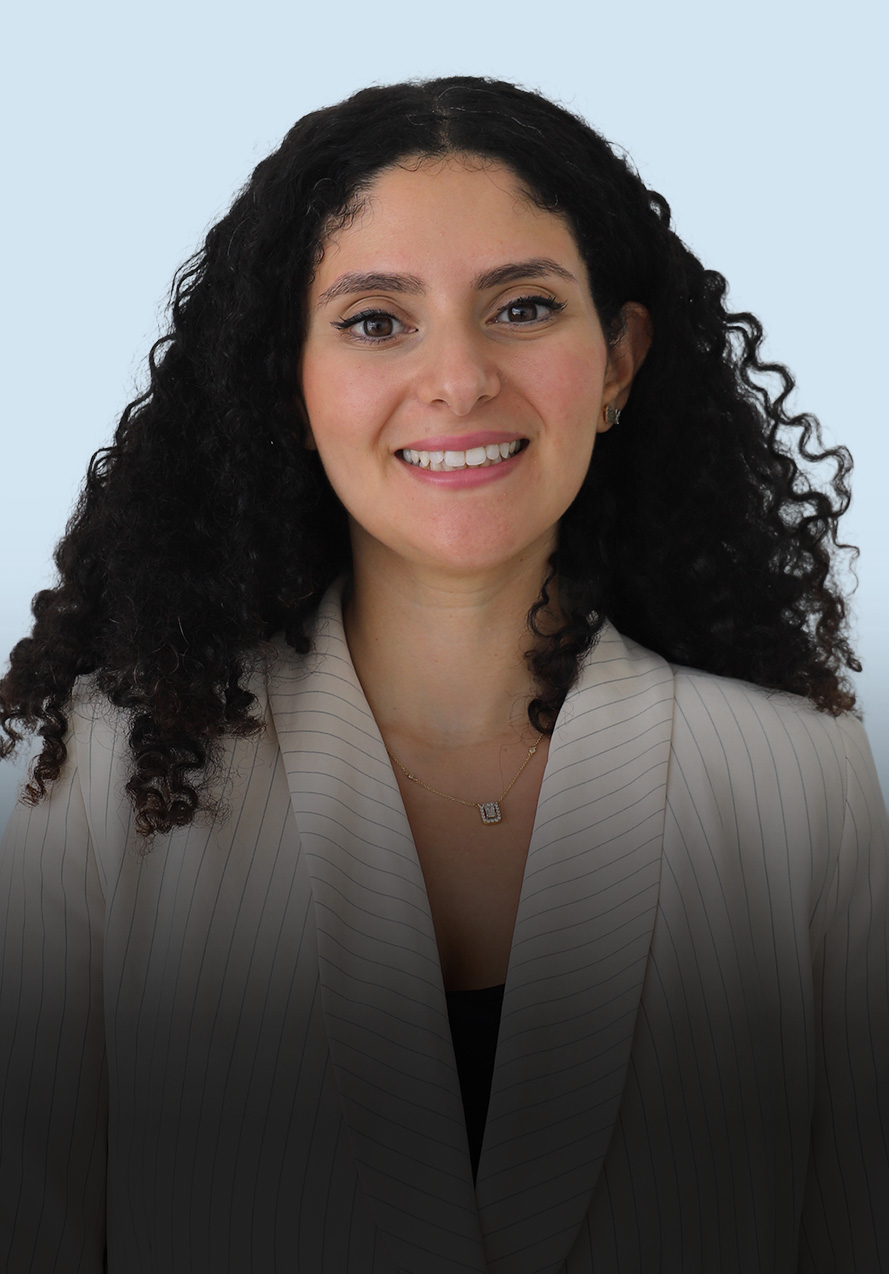
Sabrine Emran
Senior Economist
Sabrine Emran is a Senior Economist at the Policy Center for the New South (PCNS).At the PCNS, Sabrine Emran conducts research on the Energy Transition, Climate Finance, and Critical Minerals, focusing on the energy priorities of developing countries in the context of sustainable development, just energy transition, and global climate commitments.Before joining the PCNS in 2022, Sabrine Emran worked as a Commodities Analyst and Risk Management Consultant, specializing in agricultural and energy commodities as well as foreign exchange risk. She also held a position at Lyxor Asset Management as Request for Proposal and Product Specialist, where she focused on alternative investment asset classes and collaborated closely with institutional investors.Sabrine Emran holds a master’s ...