(AR) Morocco’s education sector - قطاع التعليم في المغرب

May 5, 2026

 يسلط هذا الحوار الضوء على تحديات قطاع التعليم في المغرب، رغم التقدم المحرز في توسيع الوصول وتحسين البنية التحتية. يبرز طيب غازي مفارقة التقدم بين الكم والكيف: ارتفاع معدلات الالتحاق الدراسي (90% في 2022) مقابل تراجع جودة التعلم (ضعف القراءة والرياضيات) وارتفاع البطالة بين حاملي الشهادات (25%). يربط التحليل التراكم التاريخي للنظام التعليمي، من مرحلة ما قبل الاستعمار إلى الإصلاحات المعاصرة، لكي يبرز أن المشكاكل الحالية هي نتاج تراكمات تاريخية، مما يستدعي إصلاحًا شاملًا يربط بين الجودة، الحكامة، وربط التعليم بسوق العمل

Speakers
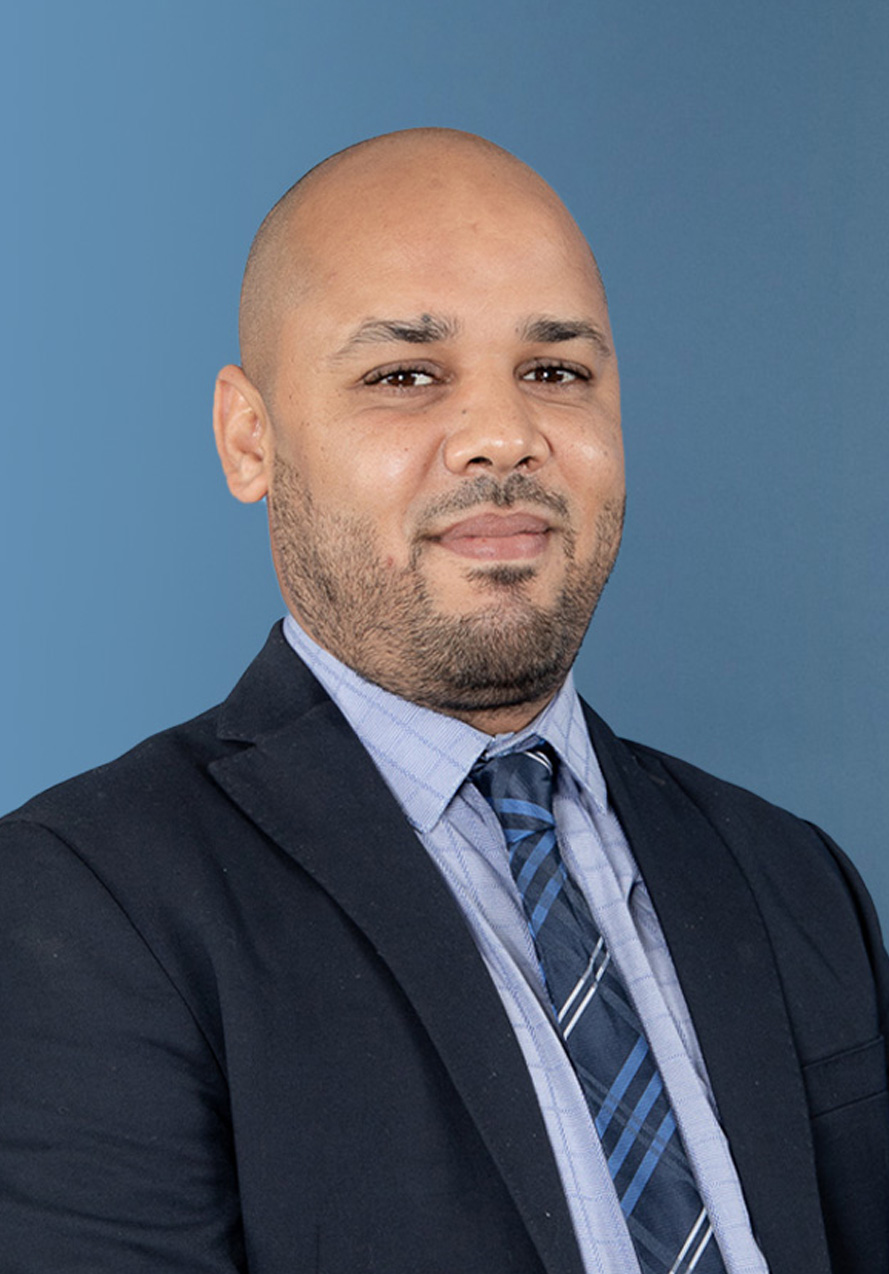
Tayeb Ghazi
Senior Economist
Tayeb Ghazi is Senior Economist at the Policy Center for the New South (PCNS). He is also a member of the Social and Solidarity Economy Research Group at Cadi Ayyad University and holds a master's degree in applied finance from the same university. He is currently working on topics related to labour market, education, migration and some aspects of international trade in developing countries. ...
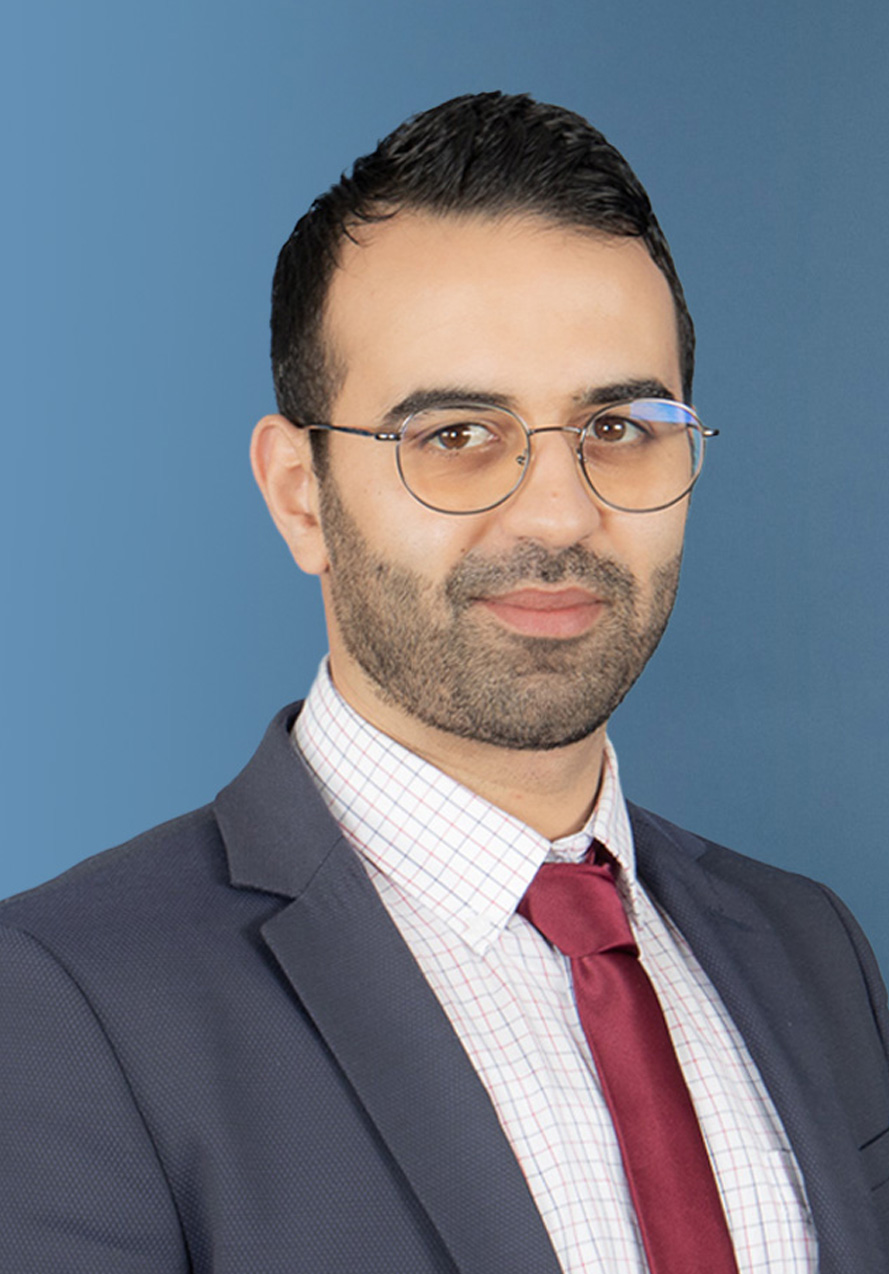
Badr Mandri
Economist
Badr Mandri is a Senior Economist at the Policy Center for the New South (PCNS), after an experience at Morocco's Haut-Commissariat au Plan (HCP). His research focuses primarily on macroeconomics, commodity markets, and development economics, having notably directed a collective volume on human capital. He also serves as an executive trainer at Mohammed VI Polytechnic University (UM6P), delivering specialized programs on public finance and fiscal policy for public sector professionals.Badr Mandri holds a Master's degree in Applied Economics from Mohammed V University in Rabat. ...

RELATED CONTENT

  • August 14, 2026
    In this Episode, Arup Banerji discusses why local expertise—not just international advice—should be intentionally embedded in African development policy. He cites cash transfer programs a ...
  • Authors
    July 28, 2026
    The term “K-shaped recovery” was introduced to describe the economic recovery from the recession triggered by the Covid-19 pandemic. It refers to the uneven and divergent growth pattern between leading industries or sectors (the upper arm of the letter K—mainly the high-technology sector) and laggards, or the rest of the economy (the lower arm—the traditional industries). Since then the term has become popular in portraying divergent growth patterns within and between countries, esp ...
  • June 30, 2026
    Globally, public policies for youth face a twofold challenge: addressing structural socioeconomic challenges—such as unemployment, precariousness, and regional disparities—while accommodating a growing demand for effective civic participation. (ILO, 2023; United Nations, 2020) In Africa, this challenge takes on a unique dimension given the demographic weight of the youth population and the persistent fragility of local democracies. (AfDB, 2020; Mo Ibrahim Foundation, 2023)Elections ...
  • June 30, 2026
    À l'échelle mondiale, les politiques publiques de jeunesse sont confrontées à un double enjeu : répondre à des défis socio-économiques structurels; chômage, précarité, fractures territoriales, tout en intégrant une demande croissante de participation citoyenne effective. (OIT, 2023 ; Nations Unies, 2020) En Afrique, ce défi revêt une dimension singulière compte tenu du poids démographique de la jeunesse et des fragilités persistantes des démocraties locales. (BAD, 2020 ; Mo Ibrahim ...
  • June 26, 2026
    In Morocco, the issue of young NEETs (Not in Employment, Education, or Training) is a national emergency, fueled by 300,000 students dropping out of school each year. In response to this challenge, the “New Generation Second Chance School” (E2C-NG) model has proven its effectiveness by achieving an exceptional employment rate of 81%.However, this institutional success rests entirely on a local network of organizations that is now under strain. A previously unpublished analysis of da ...
  • June 26, 2026
    Au Maroc, la problématique des jeunes NEETs (Ni en emploi, ni en études, ni en formation) constitue une urgence nationale, alimentée par 300 000 abandons scolaires annuels. Face à ce défi, le modèle de l'École de la Deuxième chance nouvelle génération (E2C-NG) a démontré sa pertinence en affichant un taux d'insertion exceptionnel de 81 %.Cependant, ce succès institutionnel repose intégralement sur un tissu associatif local aujourd'hui fragilisé. L'analyse inédite des donné ...
  • June 15, 2026
    Ce papier a été initialement publié dans la revue Carrefours de l'éducation n°61 L’écart entre les sexes en matière de réussite éducative demeure une préoccupation majeure au Maroc. Cette étude analyse les disparités de genre en lecture et en mathématiques aux niveaux national, urbain et rural, en exploitant des données individuelles issues de l’évaluation PIRLS 2021 (7 017 élèves) et de TIMSS 2019 (13 536 élèves), toutes deux menées auprès d’élèves de 4e année du primaire. En ...
  • Authors
    Karim El Mokri
    Idriss El Abbassi
    June 8, 2026
    Le monde du travail est engagé dans un processus de mutation sans précédent. La quatrième révolution industrielle, portée par l’intelligence artificielle (IA) et la robotisation, a été le point de commencement d’une ère nouvelle où les repères économiques et sociaux se redéfinissent à une vitesse inédite. Ces technologies suscitent un engouement légitime et offrent des perspectives prometteuses, mais requièrent une vigilance accrue face aux incertitudes qui les entourent.Bien que, à ...
  • May 5, 2026
     يسلط هذا الحوار الضوء على تحديات قطاع التعليم في المغرب، رغم التقدم المحرز في توسيع الوصول وتحسين البنية التحتية. يبرز طيب غازي مفارقة التقدم بين الكم والكيف: ارتفاع معدلات الالتحاق الدراسي (90% في 2022) مقابل تراجع جودة التعلم (ضعف القراءة والرياضيات) وارتفاع البطالة بين حاملي ال...