Publications /
Opinion

Back
The Global War of Subsidies
Authors
April 15, 2024

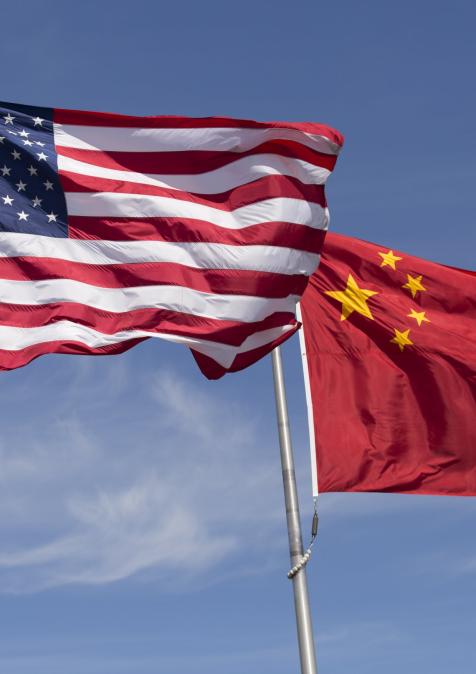
Prior to her visit to China on April 4—her second in nine months—Janet Yellen, United States Secretary of the Treasury, sent a message demanding that the country should not flood the world with cheap exports of clean energy. This would “distort global markets and harm workers abroad,” she said. According to a senior U.S. Treasury official, China’s excess industrial capacity and the government support that has fueled it were subject of discussion during her meeting with Chinese Premier Li Qiang.

Current levels of ample idle capacity and consumer restraint are some of the challenges China must address if it is to achieve higher economic growth. Exports, as in the past, may well be the sought-after means of addressing domestic demand insufficiency. Not surprisingly, everyone closely monitors the evolution of the Chinese exchange rate to see if there is any devaluation underway. As well as Yellen, officials from other major advanced economies occasionally refer to a potential flood of Chinese products.

Xi Jinping, meanwhile, has referred to clean energy and other high-tech sectors as the primary path forward for the country’s prosperity. As we discussed previously, China today is ahead of the United States and Europe in technological rivalry in clean energy. It is no wonder, then, that U.S. and European officials make frequent reference to Chinese exports and subsidies in this area.

The fact is that large-scale subsidies have proliferated in a race to subsidize so-called ‘strategic’ sectors. In response to China’s subsidies, the U.S. Inflation Reduction Act (IRA) and CHIPS and Science Act have put in place attractive subsidies for local production of clean-energy products and semiconductor equipment. Volkswagen called this “a gold rush” when announcing a decision to build an electric vehicle (EV) factory in South Carolina.

On the basis that it is supporting investments to combat climate change and reduce healthcare costs in the country, the U.S. IRA includes huge subsidies in the form of tax incentives, grants, and loan guarantees to bolster manufacturing in the U.S. While some of the subsidies, particularly those related to EV batteries, are available for investments in countries with which the U.S. has some free-trade agreement, their scope and value are lower than those available to companies committing to manufacture within the country.

Similarly, the CHIPS Act aims to subsidize a revival of the U.S. semiconductor industry. The US leads in the sector in terms of core technology and equipment, but mass production of advanced semiconductors occurs mostly abroad (Taiwan, South Korea, Japan, and - in the case of manufacturing equipment - ththe Netherlands). The law aims to reduce dependence on Taiwan in the event of a crisis in that country. Expenditures with the IRA alone, originally estimated at $385 billion, are expected to reach $1.2 trillion according to analysts.

The European Union (EU) has responded. The EU expressed almost immediate concern about the IRA, with protests focused on provisions that strengthen domestic production in the U.S. European Commission President Ursula von der Leyen called for the establishment of an EU Sovereignty Fund (ESF) to directly combat the effects of the IRA.

She stated that the EU needs to consider “how our so-called 'like-minded partners' are proceeding in the ongoing industrial and technological race”. The EU has had to ease rules that limit national government subsidies to industry. For the first time, national governments of EU member states can match subsidies offered outside the EU, if there is a risk of a project of ‘strategic importance’ being relocated elsewhere.

In addition to defending against the IRA, the EU is obviously concerned about China. Its automotive industry is eyeing the penetration of Chinese EVs, production of which, including in Hungary, has already been announced. Declarations of intent to establish trade restrictions in response to Chinese subsidies have been made.

South Korea and Japan have also implemented their own responses to subsidies from the outside. South Korea, after initially describing incentives for EVs and batteries manufactured in the U.S. as a “betrayal”, received updated guidance on the IRA from the U.S. Treasury that extended some tax incentives to them. Japan also obtained a similar agreement, qualifying its EV batteries and components for IRA incentives.

The major battery and semiconductor companies in both countries are planning new factories in the U.S. to ensure they continue to receive U.S. subsidies, as local content requirements under the IRA become more stringent over time. However, both the South Koreans and Japanese have acknowledged that U.S. subsidies also pose a threat to their own domestic industries. Both pursue a dual strategy covering incentives available under the IRA, while implementing their own national subsidy policies to protect key sectors.

Even Australia, which has a free-trade agreement with the U.S. and little industry to protect, has decided to enact a subsidy program seeking to bolster activity in areas such as batteries and critical mineral processing, which are considered strategically significant.

Judging by announcements and initial investments, the effect of incentives on U.S. supply chains has been intense. Mexico—partnered with the U.S. via the United States-Mexico-Canada Agreement, and therefore a beneficiary of the IRA—replaced China as the largest exporter to the U.S. last year, marking the first time since 2006 that China has not been the largest. There is a realignment of global trade underway.

Any economic evaluation of costs and benefits of these subsidy programs faces an inner difficulty in considering that the sought-after results are not strictly optimal economically. There is a risk that countries, especially the U.S. and China, will adopt increasingly broad definitions of what constitutes a strategic sector, triggering new ‘global subsidy wars’. For countries with no fiscal space to, if they wish, compete in cutting-edge strategic sectors this is bad news.


RELATED CONTENT

  • From

    14
    5:30 pm July 2026
    تناقش هذه الحلقة واقع المنافسة في الأسواق المغربية وعلاقتها بتطور الأسعار والقدرة الشرائية للمواطنين. كما تسلط الضوء على أبرز العوامل المؤثرة في الأسعار، سواء المرتبطة بالمنافسة أو بتكاليف الإنتاج وسلاسل التوزيع. ويتناول الحوار دور مجلس المنافسة والسلطات العمومية والفاعلين الاقتصاديين في ضمان أسواق أكثر تنافسية، إلى جانب الإصلاحات الكفيلة بتعزيز المنافسة ودعم الاقتصاد الوطني وحماية المستهلك. ...
  • From

    30
    5:30 pm June 2026
    في هذه الحلقة، نناقش دور الشباب المغربي في مواجهة التغير المناخي، من خلال إبراز مساهماتهم في العمل المناخي والتحديات التي تعيق تأثيرهم في صناعة القرار. كما نسلط الضوء على تقاطع المناخ مع قضايا الأمن والتنمية، وعلى أهمية تمكين الشباب وإشراكهم بشكل فعلي في بلورة سياسات مناخية أكثر استدامة وشمولاً. وتطرح الحلقة سؤال الانتقال من المشاركة الرمزية إلى التأثير الحقيقي في السياسات العمومية. كما تؤكد أن مواجهة التغير المناخي مسؤولية جماعية تتطلب تعبئة طاقات الشباب والمؤسسات والمجتمع المدني ...
  • From

    16
    5:30 pm June 2026
    تتناول هذه الحلقة واقع صناعة الألعاب الإلكترونية في المغرب، في ظل الاهتمام المتزايد بهذا القطاع الواعد وما يتيحه من فرص اقتصادية وإبداعية. كما تناقش التحديات التي تواجه المطورين والمقاولات الناشئة، من حيث التكوين والتمويل والولوج إلى الأسواق، مع تسليط الضوء على الإمكانات التي يمتلكها المغرب لتعزيز حضوره في هذه الصناعة العالمية وجعلها رافعة للابتكار وخلق فرص الشغل وجذب الاستثمارات الرقمية  ...
  • From

    15
    3:00 pm June 2026
      REGISTER .views-field-body ul{ padding-left: 30px} .views-field-body ul li{ list-style:disc}    As part of the OECD Multilateral Development Finance Week 2026 (MDF Week), the Policy Center for the New South (PCNS) is organizing a webinar entitled “Rethinking Development Finance: African Agency and the Future of Multilateral Development Co-operation after ODA Retrenchment.” The discussion aims to contribute to ongoing reflections on the future of development finance and the evolving role of African countries in shaping more sustainable and equitable development partnerships.As of mid-2026, the global development finance landscape is undergoing a profound structural ...
  • From

    04
    5:30 pm June 2026
    La guerre contre l’Iran et le blocage du détroit d’Hormuz ont déclenché une crise énergétique mondiale qui perturbe les marchés du pétrole et du gaz. Dans cet épisode d’Africafé, Francis Perrin analyse les conséquences de cette situation sur les économies africaines, en distinguant les défis des pays importateurs et les opportunités pour certains producteurs. Il revient également sur les enjeux du raffinage, de la sécurité énergétique et de la coopération régionale pour renforcer la résilience du continent face aux chocs futurs. ...
  • From

    02
    5:30 pm June 2026
    تقدّم هذه الحلقة قراءة حليلية لتطور السياسة النقدية في المغرب في سياق دولي يتسم بارتفاع معدلات التضخم وتزايد التقلبات الاقتصادية والجيوسياسية. وتهدف إلى تسليط الضوء على دور بنك المغرب في إدارة التوازنات الاقتصادية الكبرى، من خلال أدواته النقدية الرامية إلى كبح التضخم، ودعم النمو الاقتصادي، والحفاظ على استقرار سعر الصرف، وضمان تمويل سليم للاقتصاد الوطني. كما تناقش هذه الحلقة مدى نجاح قرارات بنك المغرب في تحقيق التوازن بين محاربة التضخم وتشجيع الاستثمار، إلى جانب أبرز التحديات الراهنة المرتبطة بارتفاع الأسعار، وتغيرات سوق الشغل، وتقلبات الاقتصاد العالمي. وفي الأخير، تستشرف هذه الحلقة التوجهات المستقبلية الممكنة للسياسة النقدية في المغرب من أجل تعزيز صلابة الاقتصاد الوطني، ودعم المقاولات، والحفاظ على الاستقرار المالي خلال السنوات المقبلة.  ...
  • From

    26
    5:30 pm May 2026
    تعالج هذه الحلقة تصاعد التوترات حول مضيق هرمز وانعكاساتها على استقرار أسواق الطاقة العالمية، في ظل عالم يشهد تحولات جيوسياسية متسارعة. وتناقش كيف كشفت الأزمة هشاشة نظام الطاقة الدولي واعتماده على ممرات استراتيجية حساسة، كما تتوقف عند تداعيات أي اضطراب محتمل على أسعار النفط والتضخم والنمو الاقتصادي العالمي. وتسعى الحلقة إلى فهم ما إذا كان العالم يعيش أزمة ظرفية أم بداية تفكك تدريجي للنظام الطاقي الذي حكم العقود الماضية  ...
  • From

    19
    5:30 pm May 2026
    ستتناول هذه الحلقة واقع المنظومة المينائية في المغرب ودورها الاستراتيجي في تعزيز مكانة المملكة كفاعل رئيسي في الاقتصاد الأزرق على مستوى أفريقيا. وستسلط الضوء على تطور البنيات التحتية المينائية، خاصة مع مشاريع كبرى مثل ميناء طنجة المتوسط، التي ستساهم في تعزيز الربط التجاري واللوجستي بين أفريقيا وأوروبا والعالم. كما ستناقش التحديات المرتبطة بالتحول نحو اقتصاد بحري مستدام، من بينها حماية الموارد البحرية، تطوير الصناعات المرتبطة بالبحر، وتشجيع الابتكار والاستثمار. وستبرز الحلقة كيف أصبحت الموانئ أدوات استراتيجية للتنمية الاقتصادية والاندماج الإقليمي، إلى جانب دورها التقليدي في التجارة والنقل. وفي الختام، سيتم التأكيد على أهمية التعاون الأفريقي وتطوير الكفاءات لضمان ريادة المغرب في مجال الاقتصاد الأزرق بالقارة  ...
  • From

    14
    2:00 pm July 2025

    To

    15
    5:00 pm July 2025
    The Policy Center for the New South will organize the 3rd edition of the Africa Economic Symposium (AES2025) on July 14th-15th, 2025, under the theme “Bold Moves amid Global Shifts”. The Symposium aspires to be a continent-wide annual gathering of prominent economists, policymakers, and academics to bring together global and continental perspectives on macroeconomic management challenges and structural issues that shape the future of Africa's economic development. Building on the success of previous editions (AES2023 and AES2024), which gathered around 200 participants from 40 nationalities, this year’s conference continues to strengthen its position as a key forum for economic dialogue in Africa.Central to this Symposium is the Annual Economic Report on Africa, the PCNS ...
  • From

    24
    3:00 pm February 2022
    Rising commodities prices are a common concern whether at the consumer level, or large industrials and fortune 500s. While the evolution of consumer prices was close to 2% in the USA and stuck below 1.5% in Europe pre-COVID, with oil prices and the direction of industrial metals and agricultural raw materials prices in decline, the current situation is just the opposite. Since economies bottomed out in June 2020, energy prices and non-energy commodities including agriculture and metals have soared even begging the question of whether we are entering a commodity super-cycle. Originally, this movement was initiated by constraints on the supply side: ramifications of weather events on crops, reduced supplies as a result of sanitary measures, tight oil production quotas etc. Logi ...