Publications /
Opinion

Back
Economic Development after the Washington Consensus
January 29, 2025

This Opinion was originally published in Project Syndicate


In today's global economy, developing countries must embrace a new policy framework that strengthens their macroeconomic resilience, harnesses technology for productivity growth, and fosters growth and structural transformation. None of this will be possible with an "every country for itself" mentality.

RABAT – The global economic landscape is changing rapidly, and developing countries are now facing three major constraints: the resurgence of protectionism, shrinking macroeconomic policy space, and profound technological disruption. With the neoliberal Washington Consensus – the dominant economic-policy framework for a half-century – no longer fit for purpose, a new paradigm is urgently needed to guide development in the years ahead.

In recent years, free trade, once a cornerstone of international cooperation, has given way to rising tariffs, large-scale industrial subsidies, and economic “decoupling.” The US-China trade war exemplifies this trend, with average tariff rates up sharply since 2018. Now that Donald Trump, the self-proclaimed “Tariff Man,” is back in the White House, a reversal is unlikely. And it is not just the United States: the European Union has also embraced tariffs, including on Chinese electric vehicles, citing unfair subsidies.

Moreover, countries have increasingly pursued industrial strategies as a means of bolstering strategic sectors. Of course, China, with its state-led economic model, has long relied on industrial policy, which is the basis of its Made in China 2025 plan, introduced in 2015. But even advanced economies – the leading proponents of the free-market orthodoxy of the past – are now embracing such interventions. The US CHIPS and Science Act, for example, includes $52.7 billion in funding for semiconductor development. And the EU has its own industrial strategy.

Such initiatives are designed to bolster economic security, but they also fuel geopolitical tensions and lead to value-chain fragmentation. For developing countries, this presents both challenges and opportunities. The growing alignment of trade with geopolitical dynamics – including the push for “friend-shoring” – might enable some countries to attract more foreign direct investment, but resource-dependent and least-developed countries face reduced demand for exports and heightened economic uncertainty.

Meanwhile, developing countries’ ability to mount fiscal- and monetary-policy responses is severely constrained. Successive crises – including the 2008 global economic crisis, the COVID-19 pandemic, and various commodity-price shocks – have eroded fiscal buffers. Demographic pressures, from young people in need of jobs to population aging, weigh on public budgets. Climate-change mitigation and adaptation also demand substantial investments. And some countries are redirecting funds to defense in response to rising geopolitical tensions. Large debt-service payments remain a major burden, compounded by high global interest rates.

Moreover, high global interest rates are forcing developing countries to raise their own interest rates to mitigate capital outflows and currency depreciation, with adverse effects on investment and economic growth. Making matters worse, central-bank independence in some countries has been eroded – a trend that undermines policymakers’ ability to control inflation and support economic stability.

All this is happening while rapid technological change is disrupting traditional growth models. Developing-economy growth has historically been driven by structural transformation – the reallocation of resources from low- to high-productivity sectors, such as from agriculture to manufacturing. In Africa, this dynamic accounted for 74% of productivity growth before 2008.

But as Dani Rodrik and Joseph E. Stiglitz have observed, structural transformation can no longer be achieved through export-oriented industrialization, not least because manufacturing has become more skill- and capital-intensive. Slower global growth, heavier debt burdens, deglobalization, and climate change (which is affecting traditional sectors such as agriculture) further undermine this approach.

The alternative strategy Rodrik and Stiglitz propose focuses on a comprehensive green transition and increased productivity in labor-intensive services. But while this approach holds promise, considerable public-sector capacity is required to support private-sector innovation and policy experimentation. A more comprehensive policy framework, capable of filling the vacuum left behind by the Washington Consensus, would start with three key priorities.

First, developing economies must bolster their macroeconomic resilience. To this end, they should strengthen fiscal frameworks, in order to build up more robust macroeconomic buffers; implement inflation-targeting regimes to promote price stability; and adopt more flexible exchange-rate regimes that can provide a “shock absorber” amid external volatility.

Second, countries should leverage technology to boost productivity, with a focus on the private sector. In addition to increasing the efficiency and transparency of government services, digital technologies can expand access to education, support innovation by facilitating research and development, and transform critical sectors, such as health care and agriculture.

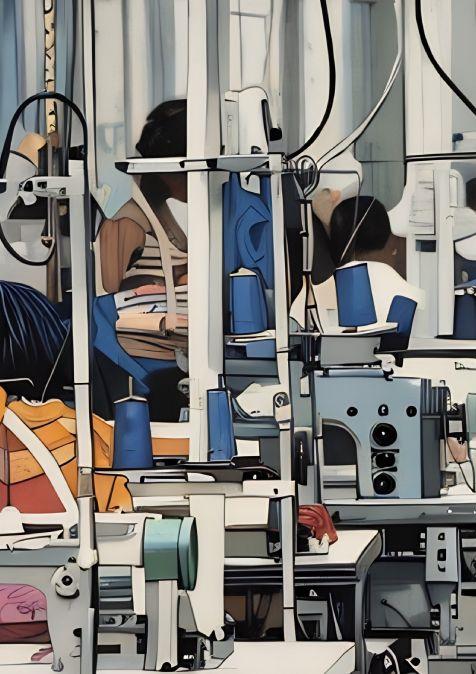
Lastly, governments should continue to promote growth through structural transformation. While the services sector holds promise for job creation, it alone cannot absorb the millions of young people, particularly the unskilled and semi-skilled, entering the workforce in developing countries each year. Fortunately, some labor-intensive sub-sectors, such as agribusiness and garment production, remain viable sources of jobs and growth in low- and middle-income countries.

Green manufacturing and the pharmaceutical sector also offer promising pathways for industrialization. Special economic zones, strategic land use, and more dynamic startup ecosystems can stimulate industrial growth and job creation. Developing economies might also need to take steps to safeguard domestic industry from an influx of Chinese goods redirected from the US and the EU. Such measures should be transparent and time-bound, and comply with World Trade Organization rules.

None of this will be possible with the “every country for itself” mentality that seems to be taking hold worldwide. While the Washington Consensus had a decidedly mixed track record, it emphasized international engagement and cooperation. Countries must not throw out the baby with the bathwater. If developing countries are to build more resilient and inclusive economies in today’s global environment, they must embrace partnerships, share knowledge, and pursue collaboration among the government, the private sector, and international institutions.

RELATED CONTENT

  • From

    30
    5:30 pm June 2026
    في هذه الحلقة، نناقش دور الشباب المغربي في مواجهة التغير المناخي، من خلال إبراز مساهماتهم في العمل المناخي والتحديات التي تعيق تأثيرهم في صناعة القرار. كما نسلط الضوء على تقاطع المناخ مع قضايا الأمن والتنمية، وعلى أهمية تمكين الشباب وإشراكهم بشكل فعلي في بلورة سياسات مناخية أكثر استدامة وشمولاً. وتطرح الحلقة سؤال الانتقال من المشاركة الرمزية إلى التأثير الحقيقي في السياسات العمومية. كما تؤكد أن مواجهة التغير المناخي مسؤولية جماعية تتطلب تعبئة طاقات الشباب والمؤسسات والمجتمع المدني ...
  • From

    16
    5:30 pm June 2026
    تتناول هذه الحلقة واقع صناعة الألعاب الإلكترونية في المغرب، في ظل الاهتمام المتزايد بهذا القطاع الواعد وما يتيحه من فرص اقتصادية وإبداعية. كما تناقش التحديات التي تواجه المطورين والمقاولات الناشئة، من حيث التكوين والتمويل والولوج إلى الأسواق، مع تسليط الضوء على الإمكانات التي يمتلكها المغرب لتعزيز حضوره في هذه الصناعة العالمية وجعلها رافعة للابتكار وخلق فرص الشغل وجذب الاستثمارات الرقمية  ...
  • From

    15
    3:00 pm June 2026
      REGISTER .views-field-body ul{ padding-left: 30px} .views-field-body ul li{ list-style:disc}    As part of the OECD Multilateral Development Finance Week 2026 (MDF Week), the Policy Center for the New South (PCNS) is organizing a webinar entitled “Rethinking Development Finance: African Agency and the Future of Multilateral Development Co-operation after ODA Retrenchment.” The discussion aims to contribute to ongoing reflections on the future of development finance and the evolving role of African countries in shaping more sustainable and equitable development partnerships.As of mid-2026, the global development finance landscape is undergoing a profound structural ...
  • From

    04
    5:30 pm June 2026
    La guerre contre l’Iran et le blocage du détroit d’Hormuz ont déclenché une crise énergétique mondiale qui perturbe les marchés du pétrole et du gaz. Dans cet épisode d’Africafé, Francis Perrin analyse les conséquences de cette situation sur les économies africaines, en distinguant les défis des pays importateurs et les opportunités pour certains producteurs. Il revient également sur les enjeux du raffinage, de la sécurité énergétique et de la coopération régionale pour renforcer la résilience du continent face aux chocs futurs. ...
  • From

    02
    5:30 pm June 2026
    تقدّم هذه الحلقة قراءة حليلية لتطور السياسة النقدية في المغرب في سياق دولي يتسم بارتفاع معدلات التضخم وتزايد التقلبات الاقتصادية والجيوسياسية. وتهدف إلى تسليط الضوء على دور بنك المغرب في إدارة التوازنات الاقتصادية الكبرى، من خلال أدواته النقدية الرامية إلى كبح التضخم، ودعم النمو الاقتصادي، والحفاظ على استقرار سعر الصرف، وضمان تمويل سليم للاقتصاد الوطني. كما تناقش هذه الحلقة مدى نجاح قرارات بنك المغرب في تحقيق التوازن بين محاربة التضخم وتشجيع الاستثمار، إلى جانب أبرز التحديات الراهنة المرتبطة بارتفاع الأسعار، وتغيرات سوق الشغل، وتقلبات الاقتصاد العالمي. وفي الأخير، تستشرف هذه الحلقة التوجهات المستقبلية الممكنة للسياسة النقدية في المغرب من أجل تعزيز صلابة الاقتصاد الوطني، ودعم المقاولات، والحفاظ على الاستقرار المالي خلال السنوات المقبلة.  ...
  • From

    26
    5:30 pm May 2026
    تعالج هذه الحلقة تصاعد التوترات حول مضيق هرمز وانعكاساتها على استقرار أسواق الطاقة العالمية، في ظل عالم يشهد تحولات جيوسياسية متسارعة. وتناقش كيف كشفت الأزمة هشاشة نظام الطاقة الدولي واعتماده على ممرات استراتيجية حساسة، كما تتوقف عند تداعيات أي اضطراب محتمل على أسعار النفط والتضخم والنمو الاقتصادي العالمي. وتسعى الحلقة إلى فهم ما إذا كان العالم يعيش أزمة ظرفية أم بداية تفكك تدريجي للنظام الطاقي الذي حكم العقود الماضية  ...
  • From

    19
    5:30 pm May 2026
    ستتناول هذه الحلقة واقع المنظومة المينائية في المغرب ودورها الاستراتيجي في تعزيز مكانة المملكة كفاعل رئيسي في الاقتصاد الأزرق على مستوى أفريقيا. وستسلط الضوء على تطور البنيات التحتية المينائية، خاصة مع مشاريع كبرى مثل ميناء طنجة المتوسط، التي ستساهم في تعزيز الربط التجاري واللوجستي بين أفريقيا وأوروبا والعالم. كما ستناقش التحديات المرتبطة بالتحول نحو اقتصاد بحري مستدام، من بينها حماية الموارد البحرية، تطوير الصناعات المرتبطة بالبحر، وتشجيع الابتكار والاستثمار. وستبرز الحلقة كيف أصبحت الموانئ أدوات استراتيجية للتنمية الاقتصادية والاندماج الإقليمي، إلى جانب دورها التقليدي في التجارة والنقل. وفي الختام، سيتم التأكيد على أهمية التعاون الأفريقي وتطوير الكفاءات لضمان ريادة المغرب في مجال الاقتصاد الأزرق بالقارة  ...
  • From

    14
    2:00 pm July 2025

    To

    15
    5:00 pm July 2025
    The Policy Center for the New South will organize the 3rd edition of the Africa Economic Symposium (AES2025) on July 14th-15th, 2025, under the theme “Bold Moves amid Global Shifts”. The Symposium aspires to be a continent-wide annual gathering of prominent economists, policymakers, and academics to bring together global and continental perspectives on macroeconomic management challenges and structural issues that shape the future of Africa's economic development. Building on the success of previous editions (AES2023 and AES2024), which gathered around 200 participants from 40 nationalities, this year’s conference continues to strengthen its position as a key forum for economic dialogue in Africa.Central to this Symposium is the Annual Economic Report on Africa, the PCNS ...
  • From

    24
    3:00 pm February 2022
    Rising commodities prices are a common concern whether at the consumer level, or large industrials and fortune 500s. While the evolution of consumer prices was close to 2% in the USA and stuck below 1.5% in Europe pre-COVID, with oil prices and the direction of industrial metals and agricultural raw materials prices in decline, the current situation is just the opposite. Since economies bottomed out in June 2020, energy prices and non-energy commodities including agriculture and metals have soared even begging the question of whether we are entering a commodity super-cycle. Originally, this movement was initiated by constraints on the supply side: ramifications of weather events on crops, reduced supplies as a result of sanitary measures, tight oil production quotas etc. Logi ...
  • From

    23
    4:30 pm February 2022
    Les hostilités commerciales entre la Chine et les États-Unis, qui se sont intensifiées sous la présidence de D. Trump et qui se sont poursuivies sous l'administration américaine actuelle, marquent un tournant dans la libéralisation de l'économie mondiale depuis la fin de la Seconde Guerre mondiale. Le système commercial mondial est en ruine en raison de cette guerre commerciale, ainsi que du démantèlement du processus de règlement des différends de l'Organisation mondiale du commerce et des violations fréquentes des règles par ses membres. Cependant le système commercial d'après-guerre ne touche pas à sa fin ; il évolue plutôt vers un ensemble d'interactions commerciales plus compliquées, politiques et controversées. La nouvelle structure sera très probablement basée sur une O ...