Les Mardis du PCNS 12/01/2021: حلقة خاصة: تقديم التقرير السنوي للاقتصاد الإفريقي

January 12, 2021

التقرير السنوي للاقتصاد الإفريقي مشبع بروح وفلسفة مركز السياسات من أجل الجنوب الجديد. جنوب منفتح على العالم وغير مقيد في علاقته بالآخرين وفي رؤيته للذات. هذا والتقرير يدرس إفريقيا بنقاط قوتها ومعيقاتها، بمميزاتها وعيوبها، ما يجب تصحيحه وإعادة تنظيمه، وما يجب صيانته وتقويته وتوطيده. خلال الأزمة الصحية، تسبب فيروس كوفيد 19 في زعزعة التوقعات، وقلب السياسات الاقتصادية، وأثار التساؤل عن الخطط والبرامج التي سبق وتم تطويرها في هيئات صنع القرار في الدول الأفريقية والمنظمات القارية ومآلها اليوم مع الجائحة. تدور الأسئلة التي تم تناولها حول القضايا الاقتصادية، والموضوعات المتعلقة بالاندماج القاري والحكامة، وكذلك أسئلة حول المنظمات الإفريقية وصمود الدول في ظل هذه الجائحة، إضافة إلى قضايا النمو الاقتصادي، سوق الشغل، الهجرة، والأمن الغذائي، إلخ. يتطرق التقرير بين طياته إلى مجموعة من التحديات والمقاربات التي تنبني على أساسها الديناميكيات المتغيرة للقارة إن على التحديات الاقتصادية والإنمائية وتحدي التنسيق بين الاستجابات الدولية والوطنية، أو ما وراء المؤسسات من ضرورة وجود نموذج جديد يتسم بمقاربات تنبثق من أسس الحكامة وآلياتها بشكل يتماشى مع خصوصيات القارة الإفريقية. 45 دقيقة تقديم التقرير السنوي للاقتصاد الإفريقي المسيرة: إيمان لهريش، مسؤولة عن البرامج بمركز السياسات من أجل الجنوب الجديد المتدخلون: العربي الجعيدي، باحث بارز بمركز السياسات من أجل الجنوب الجديد فاطمة الزهراء منكوب، باحثة في المجال الزراعي بمركز السياسات من أجل الجنوب الجديد سلمى الداودي، باحثة في العلاقات الدولية بمركز السياسات من أجل الجنوب الجديد

Speakers
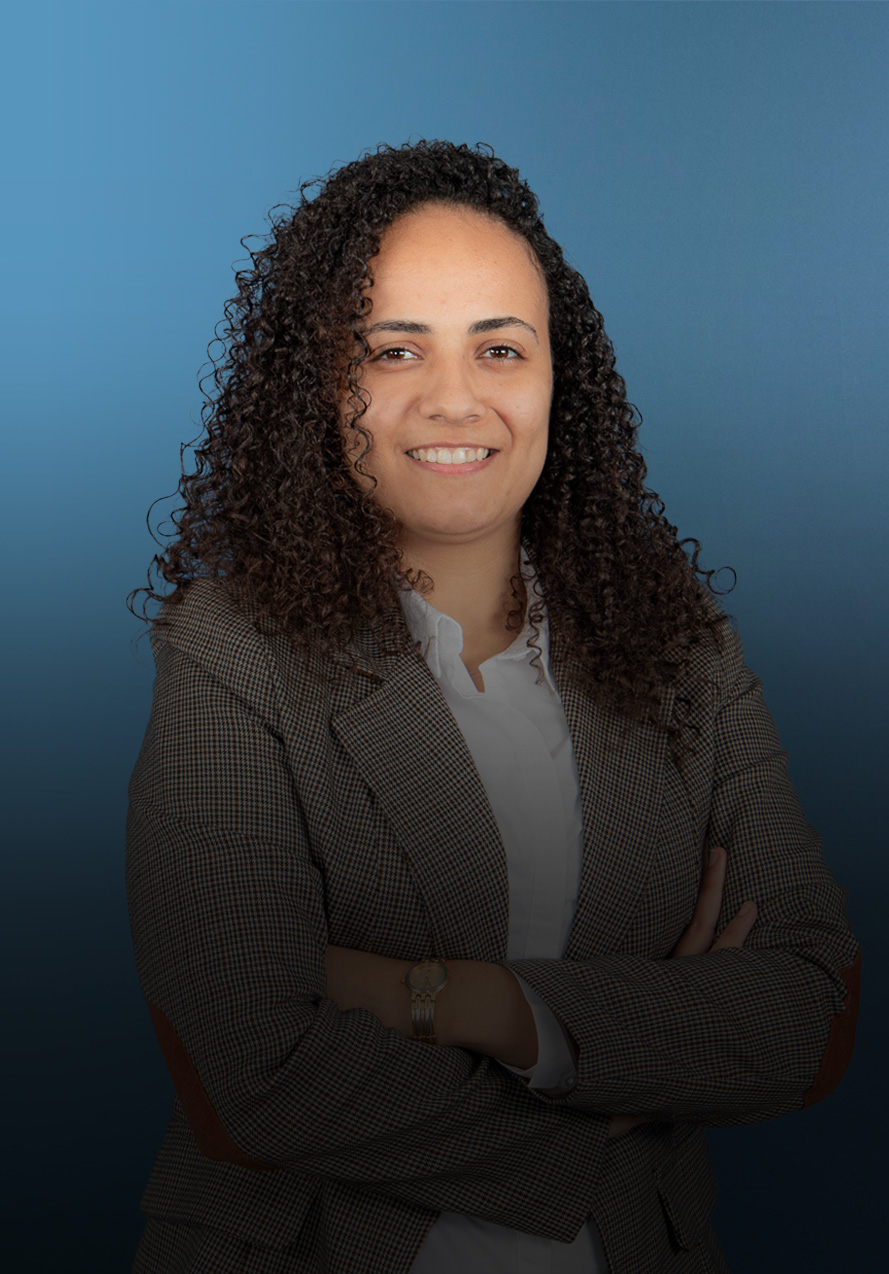
Larabi Jaïdi
Senior Fellow
Larabi Jaïdi is a Senior Fellow at the Policy Center for the New South and an Affiliate Professor at Mohammed VI Polytechnic University. His areas of expertise include international economy, economic policies, international economic relations, regional economies, social development, international relations, and Mediterranean studies. He also served on the Special Commission on the New Development Model of Morocco, a consultative body created in November 2019 to formulate the country's new developmental guidelines. Jaïdi is a former Professor at Mohamed V University in Rabat-Agdal and a founding member of both the Centre Marocain de Conjoncture and the Groupement d’Etudes et de Recherches sur la Méditerranée.   Prof. Jaïdi previously served as Advisor to the Prime Minist ...

RELATED CONTENT

  • October 15, 2026
    The Policy Center for the New South, in partnership with The Asian Network, is organizing a webinar titled “Emerging Powers and the Remaking of Global Order” to examine the growing role of emerging powers and the Global South at a time of profound transformation in the international sys...
  • October 14, 2026
    في ظل التوترات الجيوسياسية المتصاعدة، تتغير طرق التجارة العالمية وتتبدل معها موازين الممرات الاستراتيجية. تفتح هذه الحلقة من «حديث الثلاثاء» النقاش حول التقاء المسارات البحرية والبرية داخل هذه الممرات، والعوامل التي تتحكم في طبيعة السلع التي تعبرها. وتبحث كذلك في ما يمكن للمغرب أن يجنيه...
  • Authors
    October 13, 2026
    “Every gun that is made, every warship launched, every rocket fired signifies in the final sense, a theft from those who hunger and are not fed, those who are cold and are not clothed.”President Dwight Eisenhower, April 16, 1953 This paper examines the economic and human impacts of the first six months of the Iran war—from February to the end of August 2026—on Iran’s Arab neighbors and compares these impacts with those on the three countries directly involved—Iran, Israel and t ...
  • Authors
    Florent Parmentier
    October 12, 2026
    Cet article soutient que le Chief Geopolitical Officer (CGO) doit être repensé à partir de l’expérience des entreprises africaines. Dans un environnement multipolaire et fragmenté, leur principal défi n’est pas seulement la gestion des risques, mais la préservation de plusieurs options stratégiques simultanément selon une logique de hedging. Trois modèles de CGO sont à distinguer : l’intermédiation (Office chérifien des Phosphates (OCP), Tanger Med), l’intégration régionale (Ethiopi ...
  • October 09, 2026
    Can Nigeria’s Dangote refinery help strengthen Africa’s energy security amid disruptions to global supply routes? This discussion considers how expanding local refining capacity can reduc ...
  • Authors
    Paul Isbell
    October 9, 2026
    In the first seven Policy Briefs of this ongoing series of analysis on Pan-Atlanticism: The Atlantic Basin in a Multipolar-Transnational World, we developed the argument that the strategic significance of the Atlantic Basin is on the rise for a range of international actors (states, regions and non-state agents) and from distinct political or ideological perspectives. In addition, in the most recently published Policy Brief -- “The U.S. and the Current International Reconfiguration: ...
  • October 8, 2026
    This paper was originaly published on Higher Education Policy Journal This article critically assesses the alignment between Morocco’s public guidance schemes for international students and its national development goals. Specifically, it investigates the capacity of these mechanisms to transform student mobility from a potential ‘brain drain’ into a tangible ‘brain gain’. Employing a qualitative case study approach, we conducted a systematic content analysis of 204 mobili ...
  • Authors
    Marie-Noelle Nwokolo
    October 6, 2026
    The author of this opinion, Marie-Noelle Nwokolo, is a 2024 alumna of the Atlantic Dialogues Emerging Leaders Program.In September 1978, delegations from 138 countries gathered in Buenos Aires, Argentina, around a powerful idea: developing countries had knowledge, experience and capabilities worth sharing with one another. The Buenos Aires Plan of Action gave institutional form to what we now call South-South Cooperation, part of a wider post-colonial effort by developing ...
  • Authors
    Soukaina Raoui
    October 5, 2026
    This paper was originaly published on International Journal of Educational Research Open University dropout remains a major challenge in higher education due to its academic, social, and economic consequences. This study examines the role of academic and career orientation in shaping dropout in Morocco and improving student retention. A sequential mixed-methods design is applied. The quantitative component uses APOGEE administrative data covering 55,674 students and logist ...