حديث الثلاثاء: إفريقيا والدبلوماسية متعددة الأطراف

April 25, 2023

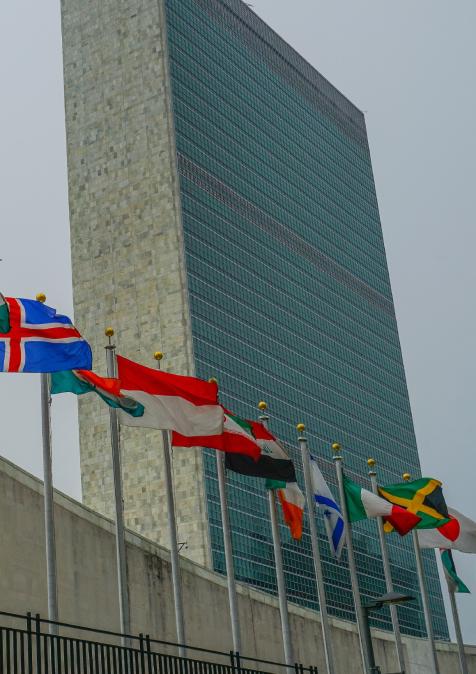
بمناسبة اليوم الدولي للتعددية والدبلوماسية من أجل السلام، قررنا تخصيص الحلقة إلى إفريقيا ومبدأ تعددية الاطراف في سياق اوضاع السلم والأمن الهشة في منطقة الساحل وانتشار عدم الاستقرار في البحيرات الافريقية الكبرى، بالإضافة إلى عجز مجلس الأمن التابع للأمم المتحدة عن مواجهة الحرب المستمرة التي شنتها روسيا على أوكرانيا، ما يؤكد أزمة تعددية الأطراف. فمن بين التحديات الراهنة لهذا المبدأ في إفريقيا، نذكر ربما فشل إدارة المراحل الانتقالية بعد عدد من التغييرات غير الدستورية التي عرفتها دول القارة، تداخل المسؤوليات بين الاتحاد الأفريقي والكتل الإقليمية والتداعيات العملية لمبدأ التبعية، بالإضافة إلى صعوبات نظم الأمن الإقليمية في مواجهة التطرف العنيف. فكيف يمكننا تعريف هذا النهج حتى نميزه بين التعاون الدولي في إطار احترام السيادة الوطنية؟ هل الديناميكيات السياسية للمنظمات الدولية تحد بشكل فعال من تأثير أفريقيا المحتمل على الساحة الدولية؟ هل تحتاج إفريقيا إلى استراتيجية جديدة لمشاركتها مع الأمم المتحدة والمنظمات الدولية الأخرى؟ أم أن التحديات الخاصة بأفريقيا تتطلب أن يعيد المجتمع الدولي التفكير في مقاربته الجماعية تجاه أفريقيا؟ ثم كيف يمكن تعزيز نهج تعددية الاطراف حتى يكون اكثر فعالية ؟
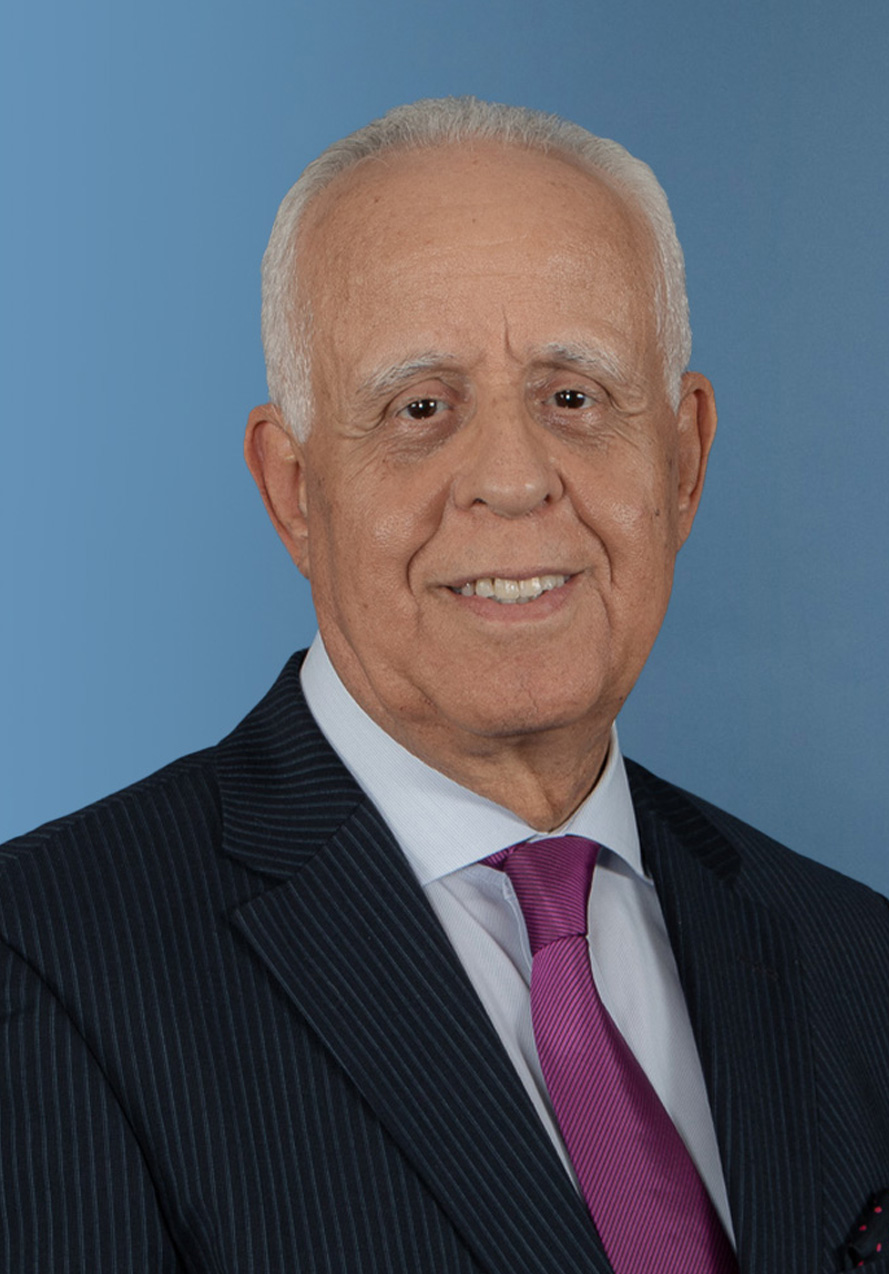
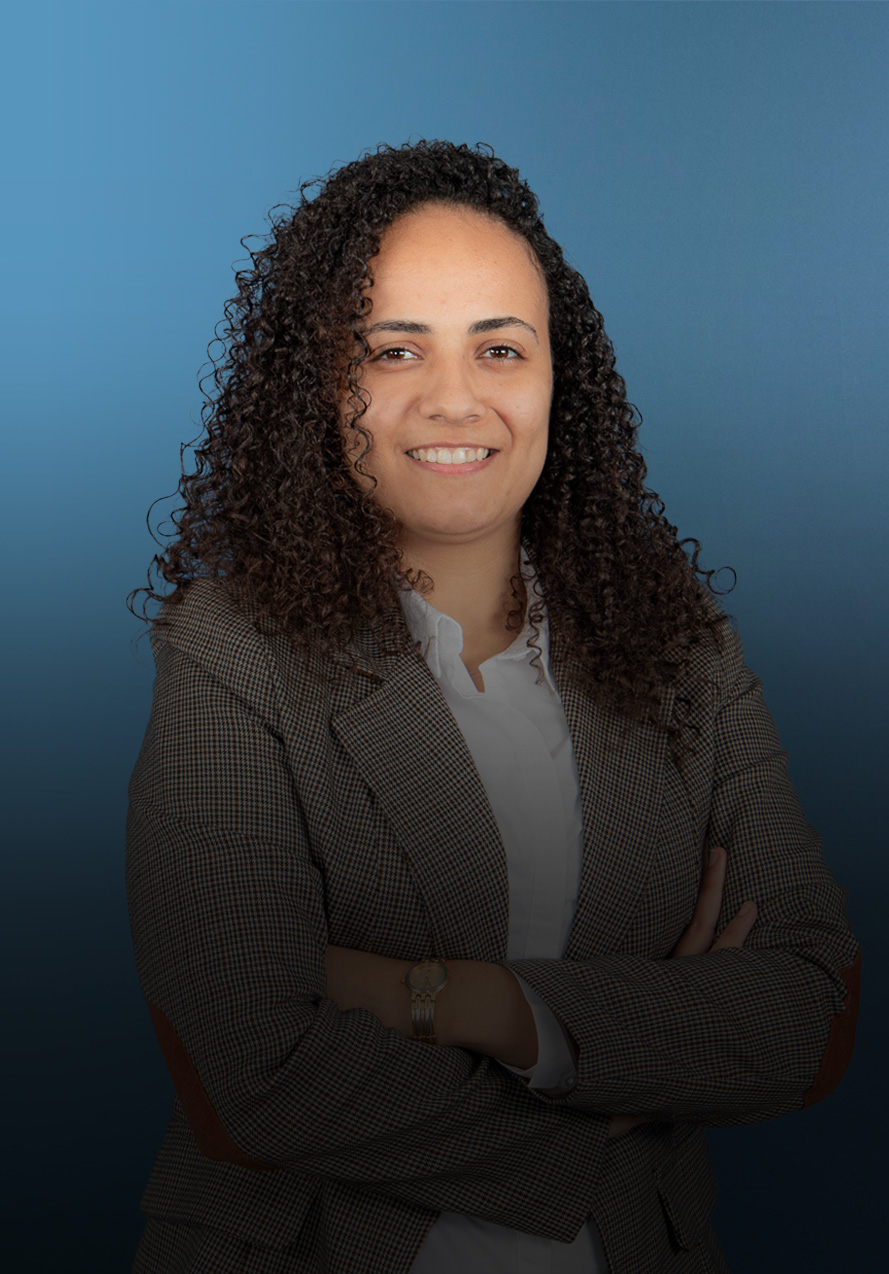
Speakers
Mohammed Loulichki
Senior Fellow
Mohammed Loulichki is a Senior Fellow at the Policy Center for the New South and an Affiliate Professor at Mohammed VI Polytechnic University. He brings over 40 years of comprehensive experience in diplomacy, conflict resolution, and human rights. He has served in various roles including as a member and Deputy Head of the Moroccan delegation to the 3rd Conference on the Law of the Sea (1982-1990), Head of the Department of Legal Affairs and Treaties at the Ministry of Foreign Affairs (1988-1991), and General Director for Multilateral Affairs in the same ministry (2003-2006).   He also acted as Morocco's Ambassador to Hungary, Bosnia-Herzegovina, and Croatia (1995-1999), and was the Moroccan Government's Ambassador Coordinator with MINURSO (1999-2001). Furthermore, he se ...
Imane Lahrich
Head – Research Valorization
Imane Lahrich is the Head of Research Valorization Department, having previously served as a Partnerships & Research Support Officer at the Policy Center for the New South since 2019. She mainly worked on security-development related projects. She has experience as a Project Manager in a Strategic Intelligence firm (2017-2019) and as a research consultant in the MENA region, focusing on international development and the Rule of Law. Imane Lahrich holds a Master's in Political Studies and a Bachelor's in Political Science from Mohammed V University of Rabat. She also participated in a one-year exchange program at Masaryk University in the Czech Republic under the EMMAG MUNDUS Excellence scholarship.     ...

RELATED CONTENT

  • Authors
    Joana Ama Osei-Tutu
    September 12, 2026
    The author of this opinion, Joana Ama Osei-Tutu, is a 2017 alumnus of the Atlantic Dialogues Emerging Leaders Program.South-South cooperation (SSC) is often presented as an alternative to the hierarchical relationships that have historically characterized international development. In principle, SSC means Global South countries learn from one another, share expertise and resources, and develop solutions grounded in their own experiences, rather than importing models design ...
  • September 8, 2026
    La conférence de lancement du projet POMIRE Sud-Sud, tenue au Policy Center for the New South à Rabat les 11 et 12 février 2026, a constitué un moment fondateur. Pour la première fois, l'ensemble des acteurs institutionnels de cinq des six pays partenaires du projet — Côte d'Ivoire, Guinée, Mali, Maroc et Sénégal — se sont réunis pour poser les piliers d’une vision commune et identifier les priorités qui guideront les phases opérationnelles du projet. Quatre focus groupes thématique ...
  • August 4, 2026
     Cet article a initialement été publié sur la plateforme confrontations.org Février 2022 : face à un nouveau contexte international, les Européens se rallient aux idées de souveraineté européenne et d’autonomie stratégique, brisant ainsi un tabou. Octobre 2025 : après cinquante ans de contentieux, le Conseil de sécurité ouvre la porte à une reconnaissance officielle de la souveraineté marocaine au Sahara occidental.Apparemment sans rapport, ces deux évènements sont reliés ...
  • August 3, 2026
    This policy paper explores how China’s economic development model—rooted in pragmatism, long-term planning, and civilizational renewal—has become its most compelling soft power asset, particularly in the eyes of the Global South. While critically engaging with Joseph Nye’s original conception of soft power as a primarily cultural and normative force, the paper argues that China’s ability to transform itself from an impoverished postimperial state into the world’s largest trading nat ...
  • Authors
    Fadoua Ammari
    July 27, 2026
    Cet article évalue la pertinence du paradigme de la réconciliation pour analyser la rivalité maroco-algérienne. À partir d’une démarche qualitative, historico-interprétative et interdisciplinaire fondée sur un corpus raisonné de travaux académiques et de sources institutionnelles, il montre que cette conflictualité ne se réduit ni au différend du Sahara ni à un simple antagonisme bilatéral. Elle se construit à l’intersection de mémoires concurrentes, de mécanismes de sécuritisation, ...
  • Authors
    July 14, 2026
    Avec la capitale Pékin comme acteur principal de la politique étrangère chinoise, l’engagement de la Chine en Afrique ne peut plus être appréhendé à travers le seul prisme de l’État central. Suite aux réformes de décentralisation engagées en 1978, les gouvernements provinciaux de l’Empire du Milieu jouent un rôle de plus en plus visible et structurant, en s’affirmant en tant qu’acteurs à part entière de la coopération internationale. Ils interviennent, entre autres domaines, dans le ...
  • July 7, 2026
    For a long time, security in the Sahel relied on Western military deployments, which failed to curb the jihadist threat, thereby demonstrating the limitations of a cooperation model based on logistical and doctrinal dependence on foreign partners. The three Sahelian states have decided to break away from this system and build“integrated security sovereignty.” This approach has taken hold against a backdrop of openness to new partners. Russia has thus established itself as the main m ...