Assessing Inclusive Growth in the Middle East and North Africa

August 18, 2023

In this interview, Taline Koranchelian, the Deputy Director at the International Monetary Fund's (IMF) Middle East and Central Asia Department, shares her insights on the region's progress in achieving inclusive growth over the past decade. She discusses successful approaches, challenges encountered, and highlights the key remaining gaps that need to be adressed.

Speakers
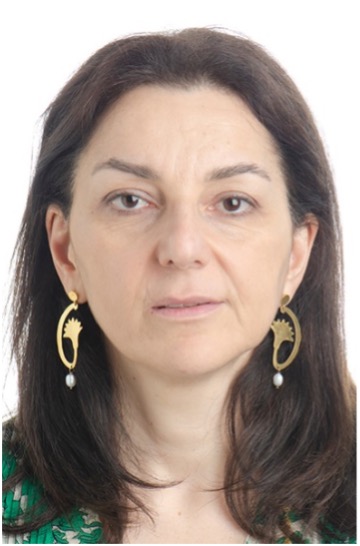
Taline Koranchelian
Deputy Director in the Middle East and Central Asia Department, the International Monetary Fund (IMF)
Taline Koranchelian is the Deputy Director in the Middle East and Central Asia Department of the International Monetary Fund (IMF), where she oversees the regional work of the department as well as the IMF’s work in Algeria, Djibouti, Iraq, Mauritania, Morocco, Tunisia, and Yemen.Prior to her appointment as Deputy Director in the Middle East and Central Asia Department, Koranchelian was Director of the IMF’s Middle East Regional Technical Assistance Center since June 2016. Between 2012 and 2016, Koranchelian was Assistant Director of the IMF’s Strategy, Policy, and Review, leading the IMF surveillance policy and reviewing the work of the IMF for around 30 countries across all regions.Throughout her more than 15 years of experience at the IMF, Koranchelian has held various posi ...
RELATED CONTENT

  • Authors
    May 25, 2016
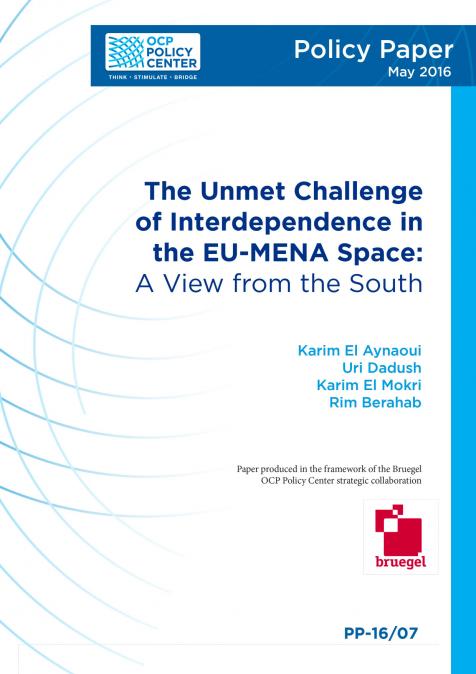
    This paper will take stock of the economic performance of Europe and the Arab world, examining how they can do better by working together. The paper pays special attention to the trade, investment, migration and energy linkages between the two regions, as well as those among the Arab countries, as well as how they can be improved to achieve better development. Whereas we present a southern perspective, with Arab countries as main focus, the purpose is to understand the constraints f ...
  • Authors
    Russel Dinh
    January 27, 2016
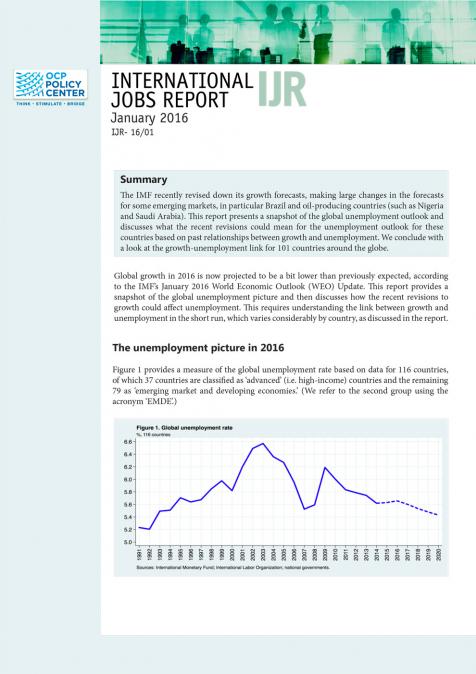
    The IMF recently revised down its growth forecasts, making large changes in the forecasts for some emerging markets, in particular Brazil and oil-producing countries (such as Nigeria and Saudi Arabia). This report presents a snapshot of the global unemployment outlook and discusses what the recent revisions could mean for the unemployment outlook for these countries based on past relationships between growth and unemployment. We conclude with a look at the growth-unemployment link f ...
  • Authors
    December 7, 2015
    The Euro-Mediterranean Partnership was initiated with the aim to build a space of shared prosperity and security among all the countries in the region. The achievement of this objective, however, continues to be challenged by several geopolitical, economic and social factors. In such a context, there is now a greater urgency to adapt the approach and the instruments, thus allowing Euro-Mediterranean partners to seize opportunities towards an effective area of shared stability and pr ...
  • Authors
    November 25, 2015
    The contribution that the diaspora makes to development in the country of origin is examined. Drawing on a recent World Bank survey of migrants from the MENA countries, the needs of the diaspora and the development role it can play through its organizations are reviewed. A constructive interaction with the diaspora can be greatly enhanced by supportive policies in the country of origin. The main focus of the paper is on the Middle East and North African region, and more specifically ...
  • Authors
    May 18, 2015
    Economic integration is crucial in order to achieve rapid and sustainable growth. However, instabilities in the MENA region and the recent plunge in oil prices may stifle the economic progress in some of these countries, and threaten their attempts at integration. Within this context, this note seeks to analyze the efforts of integration that MENA countries have undertaken, particularly through trade agreements; and to articulate some principles that can help guide the ongoing searc ...
  • Authors
    Kassim Bouhou
    September 17, 2010
    Before the 9/11 events, US-Maghreb relations were growing stronger, especially after the United States had long left the floor to the Maghreb’s “natural” European partner. Therefore the American action in this region was in line with a mechanism previously set off by Clinton Administration member, Stuart Eizenstat, which aimed at reducing intra regional obstacles and stimulating American investments towards an area where Americans were little-represented. Hence Washington seemed mor ...
  • From

    26
    5:30 pm May 2026
    تعالج هذه الحلقة تصاعد التوترات حول مضيق هرمز وانعكاساتها على استقرار أسواق الطاقة العالمية، في ظل عالم يشهد تحولات جيوسياسية متسارعة. وتناقش كيف كشفت الأزمة هشاشة نظام الطاقة الدولي واعتماده على ممرات استراتيجية حساسة، كما تتوقف عند تداعيات أي اضطراب محتمل على أسعار النفط والتضخم والنمو الاقتصادي العالمي. وتسعى الحلقة إلى فهم ما إذا كان العالم يعيش أزمة ظرفية أم بداية تفكك تدريجي للنظام الطاقي الذي حكم العقود الماضية  ...