Publications /
Opinion

Back
Ade Mabogunje «Innovation takes courage and a strong team spirit»
Authors
December 21, 2017

Nigerian and « design thinking process » expert, Ade Mabogunje has worked in Africa, India and Europe, before settling in California, where he is a Director at Stanford University. What does it take exactly for innovation to happen ? Such is the line of his thinking and teaching. He’s been invited twice to the 2016 and 2017 Atlantic Dialogues to share his knowledge with two cohorts of 50 Emerging Leaders from Africa, Europe and the Americas, selected by the OCP Policy Center. This Professor who refuses to be called so prefers to describe himself as an « ant ». He believes strongly in team spirit - if not Ubuntu, this African set of values that states in all the Bantu languages that « I am a human being only through other human beings ». 
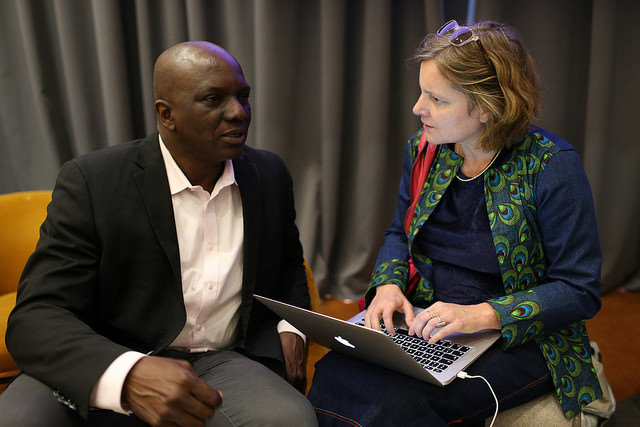
PCNS

What is the first condition for innovation ? 

Children play naturally… Its very important to play, but somehow we flush out the most basic instincts of human creativity at school. Playing is not in the program ! Young persons dreams are fueling the future, and may invent new sets of values in which innovation is key. 

Innovation needs a lot of courage and creativity. It happens when we allow to find ourselves vulnerable and take risks, like in the Wild West when people were facing a frontier. It also happens with a spirit of charity and sacrifice, a generosity that induce a way of thinking that goes beyond yourself and your family. Service to community is a key point.  

What is your answer to Emerging Leaders who have replied to that « dreamer » perspective that you can’t change your environment and have to be realistic ? 

We are each other’s environment. We create and shift it all the time. Our world is more and more open, comlex, dynamic and networked – this is where we are moving into. This trend is global. When we look at such a world, the real question is : what do we want out of it ? 

Is it a time that we can have a single leader ? No. We have too much information. For instance, if you are used to managing a community of 1 million people, and it grows suddenly to 4 million, there are chances that as a leader, you won’t be able to comprehend just that size. 

More and more, we will come to the conclusion that we work better as a team. Japan did not plan to beat the US in constructing better cars ! It just happens to work better as a team ! Banks finance 88 % of the global GDP. Leaders live on debt because their countries are not producting anything. My advice is this : have friends in the Financial sector and be aware of the structures of our finance system. Our capacity to finance ourselves begins with the education system… Why are you the most important ? If you produce coffee, why don’t you own Starbucks, control the whole chain and make the most profit ? 

Why are you asked in Sillicon Valley to come and teach Ubuntu ? 

Because it’s about not pushing each other down. Giving respect and lowering formality encourages the exchange of ideas. I see five layers in a civilization : nature, culture, governance, infrastructure, commerce and fashion. The first layers mentionned stabilize, while the last layers innnovate. The whole combines Learning with continuity and discontinuity. Nature gives young minds, play, innovation and speed. But most cultures refuse to engage with its youth. Sillicon Valley has shown that if young and old can walk together, this is for the better. 

Do you place art in fashion, a fast innovating sector, or in culture ?

In fashion. Folks in governement are using actors, drama and play for their story-telling. Art is the way in which we dream the future. If you are able to connect with your artist insside, you can connect with your future. Lots of countries have developped their Hollywood, Bollywood, Nollywood – industries where lies a big potential for the future and the ways in which you can express it. Remember the future doesn’t come in language. Only the past does. Things are named once we’ve made them. 

Do you think Africa has something to bring to the world with Ubuntu ?

This very important principale has to be added to others, it cannot work alone. Often, people want a single bullet for a solution, but there is none. Ubuntu is just one of many solutions. It sets the rules of community : one person is a person through other people. This means you treat both strangers and members of your community with sincere warmth. Ubuntu comes out of small hunting communities where people had to look after each other, for a matter of survival. It still comes with seniority. 

In our industrial era, status is tied to knowledge and I am defined in comparison to others. Values are linked to superiority in a short temporal horizon. Work is seen as a mean to display status and enjoy it, not as a responsibility. 

This « Plantation » set of value has one goal : keep the boss in a good mood. Boss and employees both see the job and the salary as a favor : loyalty to the boss precedes loyalty to the team. Such are the rules of the « Plantation » model : excel at your job, trust your team, do it right the first time, strive for perfection and return favors. This model is called Plantation because it emerged before industrialisation with the farms moving to plantations – an industry in wich all the trees are in a straight line. 

Two authors, Victor Hwang and Greg Horowitt – who attended the 2017 Atlantic Dialogues - developped these rules in a book (The Rainforest : The Secret to Building the Next Sillicon Valley, 2012) when they came to Sillicon Valley and found different sets of rules there. What prevails in Sillicon Valley is : break rules and dream, open doors and listen, trust and be trusted, seek fairness not advantage, experiment and iterate together, fail and persist, don’t seek favors but pay them forward – not to the one who gave it to you but to somebody else for his/her own good. Plantation gives efficiency. Ubuntu guarantees warmth, but not efficiency ! We can look at a mix between Ubuntu, Plantation and Rainforest to go forward. The Rainforest model defined by Horowitt is the best for innovation. It induces you to « feel together », have this Earth feel in what you do.

RELATED CONTENT

  • From

    14
    5:30 pm July 2026
    تناقش هذه الحلقة واقع المنافسة في الأسواق المغربية وعلاقتها بتطور الأسعار والقدرة الشرائية للمواطنين. كما تسلط الضوء على أبرز العوامل المؤثرة في الأسعار، سواء المرتبطة بالمنافسة أو بتكاليف الإنتاج وسلاسل التوزيع. ويتناول الحوار دور مجلس المنافسة والسلطات العمومية والفاعلين الاقتصاديين في ضمان أسواق أكثر تنافسية، إلى جانب الإصلاحات الكفيلة بتعزيز المنافسة ودعم الاقتصاد الوطني وحماية المستهلك. ...
  • From

    30
    5:30 pm June 2026
    في هذه الحلقة، نناقش دور الشباب المغربي في مواجهة التغير المناخي، من خلال إبراز مساهماتهم في العمل المناخي والتحديات التي تعيق تأثيرهم في صناعة القرار. كما نسلط الضوء على تقاطع المناخ مع قضايا الأمن والتنمية، وعلى أهمية تمكين الشباب وإشراكهم بشكل فعلي في بلورة سياسات مناخية أكثر استدامة وشمولاً. وتطرح الحلقة سؤال الانتقال من المشاركة الرمزية إلى التأثير الحقيقي في السياسات العمومية. كما تؤكد أن مواجهة التغير المناخي مسؤولية جماعية تتطلب تعبئة طاقات الشباب والمؤسسات والمجتمع المدني ...
  • From

    16
    5:30 pm June 2026
    تتناول هذه الحلقة واقع صناعة الألعاب الإلكترونية في المغرب، في ظل الاهتمام المتزايد بهذا القطاع الواعد وما يتيحه من فرص اقتصادية وإبداعية. كما تناقش التحديات التي تواجه المطورين والمقاولات الناشئة، من حيث التكوين والتمويل والولوج إلى الأسواق، مع تسليط الضوء على الإمكانات التي يمتلكها المغرب لتعزيز حضوره في هذه الصناعة العالمية وجعلها رافعة للابتكار وخلق فرص الشغل وجذب الاستثمارات الرقمية  ...
  • From

    15
    3:00 pm June 2026
      REGISTER .views-field-body ul{ padding-left: 30px} .views-field-body ul li{ list-style:disc}    As part of the OECD Multilateral Development Finance Week 2026 (MDF Week), the Policy Center for the New South (PCNS) is organizing a webinar entitled “Rethinking Development Finance: African Agency and the Future of Multilateral Development Co-operation after ODA Retrenchment.” The discussion aims to contribute to ongoing reflections on the future of development finance and the evolving role of African countries in shaping more sustainable and equitable development partnerships.As of mid-2026, the global development finance landscape is undergoing a profound structural ...
  • From

    04
    5:30 pm June 2026
    La guerre contre l’Iran et le blocage du détroit d’Hormuz ont déclenché une crise énergétique mondiale qui perturbe les marchés du pétrole et du gaz. Dans cet épisode d’Africafé, Francis Perrin analyse les conséquences de cette situation sur les économies africaines, en distinguant les défis des pays importateurs et les opportunités pour certains producteurs. Il revient également sur les enjeux du raffinage, de la sécurité énergétique et de la coopération régionale pour renforcer la résilience du continent face aux chocs futurs. ...
  • From

    02
    5:30 pm June 2026
    تقدّم هذه الحلقة قراءة حليلية لتطور السياسة النقدية في المغرب في سياق دولي يتسم بارتفاع معدلات التضخم وتزايد التقلبات الاقتصادية والجيوسياسية. وتهدف إلى تسليط الضوء على دور بنك المغرب في إدارة التوازنات الاقتصادية الكبرى، من خلال أدواته النقدية الرامية إلى كبح التضخم، ودعم النمو الاقتصادي، والحفاظ على استقرار سعر الصرف، وضمان تمويل سليم للاقتصاد الوطني. كما تناقش هذه الحلقة مدى نجاح قرارات بنك المغرب في تحقيق التوازن بين محاربة التضخم وتشجيع الاستثمار، إلى جانب أبرز التحديات الراهنة المرتبطة بارتفاع الأسعار، وتغيرات سوق الشغل، وتقلبات الاقتصاد العالمي. وفي الأخير، تستشرف هذه الحلقة التوجهات المستقبلية الممكنة للسياسة النقدية في المغرب من أجل تعزيز صلابة الاقتصاد الوطني، ودعم المقاولات، والحفاظ على الاستقرار المالي خلال السنوات المقبلة.  ...
  • From

    26
    5:30 pm May 2026
    تعالج هذه الحلقة تصاعد التوترات حول مضيق هرمز وانعكاساتها على استقرار أسواق الطاقة العالمية، في ظل عالم يشهد تحولات جيوسياسية متسارعة. وتناقش كيف كشفت الأزمة هشاشة نظام الطاقة الدولي واعتماده على ممرات استراتيجية حساسة، كما تتوقف عند تداعيات أي اضطراب محتمل على أسعار النفط والتضخم والنمو الاقتصادي العالمي. وتسعى الحلقة إلى فهم ما إذا كان العالم يعيش أزمة ظرفية أم بداية تفكك تدريجي للنظام الطاقي الذي حكم العقود الماضية  ...
  • From

    19
    5:30 pm May 2026
    ستتناول هذه الحلقة واقع المنظومة المينائية في المغرب ودورها الاستراتيجي في تعزيز مكانة المملكة كفاعل رئيسي في الاقتصاد الأزرق على مستوى أفريقيا. وستسلط الضوء على تطور البنيات التحتية المينائية، خاصة مع مشاريع كبرى مثل ميناء طنجة المتوسط، التي ستساهم في تعزيز الربط التجاري واللوجستي بين أفريقيا وأوروبا والعالم. كما ستناقش التحديات المرتبطة بالتحول نحو اقتصاد بحري مستدام، من بينها حماية الموارد البحرية، تطوير الصناعات المرتبطة بالبحر، وتشجيع الابتكار والاستثمار. وستبرز الحلقة كيف أصبحت الموانئ أدوات استراتيجية للتنمية الاقتصادية والاندماج الإقليمي، إلى جانب دورها التقليدي في التجارة والنقل. وفي الختام، سيتم التأكيد على أهمية التعاون الأفريقي وتطوير الكفاءات لضمان ريادة المغرب في مجال الاقتصاد الأزرق بالقارة  ...
  • From

    14
    2:00 pm July 2025

    To

    15
    5:00 pm July 2025
    The Policy Center for the New South will organize the 3rd edition of the Africa Economic Symposium (AES2025) on July 14th-15th, 2025, under the theme “Bold Moves amid Global Shifts”. The Symposium aspires to be a continent-wide annual gathering of prominent economists, policymakers, and academics to bring together global and continental perspectives on macroeconomic management challenges and structural issues that shape the future of Africa's economic development. Building on the success of previous editions (AES2023 and AES2024), which gathered around 200 participants from 40 nationalities, this year’s conference continues to strengthen its position as a key forum for economic dialogue in Africa.Central to this Symposium is the Annual Economic Report on Africa, the PCNS ...
  • From

    24
    3:00 pm February 2022
    Rising commodities prices are a common concern whether at the consumer level, or large industrials and fortune 500s. While the evolution of consumer prices was close to 2% in the USA and stuck below 1.5% in Europe pre-COVID, with oil prices and the direction of industrial metals and agricultural raw materials prices in decline, the current situation is just the opposite. Since economies bottomed out in June 2020, energy prices and non-energy commodities including agriculture and metals have soared even begging the question of whether we are entering a commodity super-cycle. Originally, this movement was initiated by constraints on the supply side: ramifications of weather events on crops, reduced supplies as a result of sanitary measures, tight oil production quotas etc. Logi ...