حديث الثلاثاء: مخطط العمل الوطني حول النساء والسلم والأمن : تحديات التفعيل، التعبئة والاستدامة

October 4, 2022

سبق وأطلق المغرب مخطط العمل الوطني حول النساء والسلم والأمن بهدف النهوض بالمساواة بين الجنسين، وإشراك المرأة في صنع القرار تطبيقا لقرار مجلس الأمن التابع للأمم المتحدة رقم 1325 الذي جرى اعتماده بالإجماع من قبل مجلس الأمن الدولي في 31 أكتوبر 2000، والذي يحث الأمم المتحدة وجميع الدول الأعضاء فيها على مواجهة التأثير "غير المتناسب" للنزاعات المسلحة على المرأة، وكذلك الاعتراف بمدى تجاهل مساهماتها في حل النزاعات وبناء السلام. الآن وبعد أكثر من عشرين سنة من إقراره، ارتأينا ان نقف عند مدى اعتماد مخرجات وتوصيات القرار على المستوى الوطني مع الإشارة أن المغرب أصبح من أوائل بلدان شمال إفريقيا التي قدمت مخطط عمل وطني حول النساء والسلم والأمن. فكيف يعكس مخطط العمل الوطني ومقاربته المعتمدة النموذج الذي تحمله أجندة النساء والسلم والأمن وإطارها المعياري لحقوق الانسان؟ كيف تتماشى خارطة الطريق لتنفيذ الاجندة مع جهود تحسين التعاون الدولي الاقليمي امام التهديدات الدولية بما فيها النزاعات المسلحة؟

علاوة على ذلك، تقوم النساء منذ فترات طويلة بعمل مهم في عمليات السلام في كثير من مناطق الأزمات. غير أن هذا يمثل تناقضاً شديداً مع مسار مفاوضات السلام الرسمية، حيث لا تزال النساء إلى حد كبير لا يلعبن أي دور رسمي. ففي الثلاثين سنة الماضية، نجد فقط 13% كمتوسط المفاوضين من النساء. هل يتعلق الان الأمر يتعلق بالتمثيل، بالحقوق، أم بالموارد؟
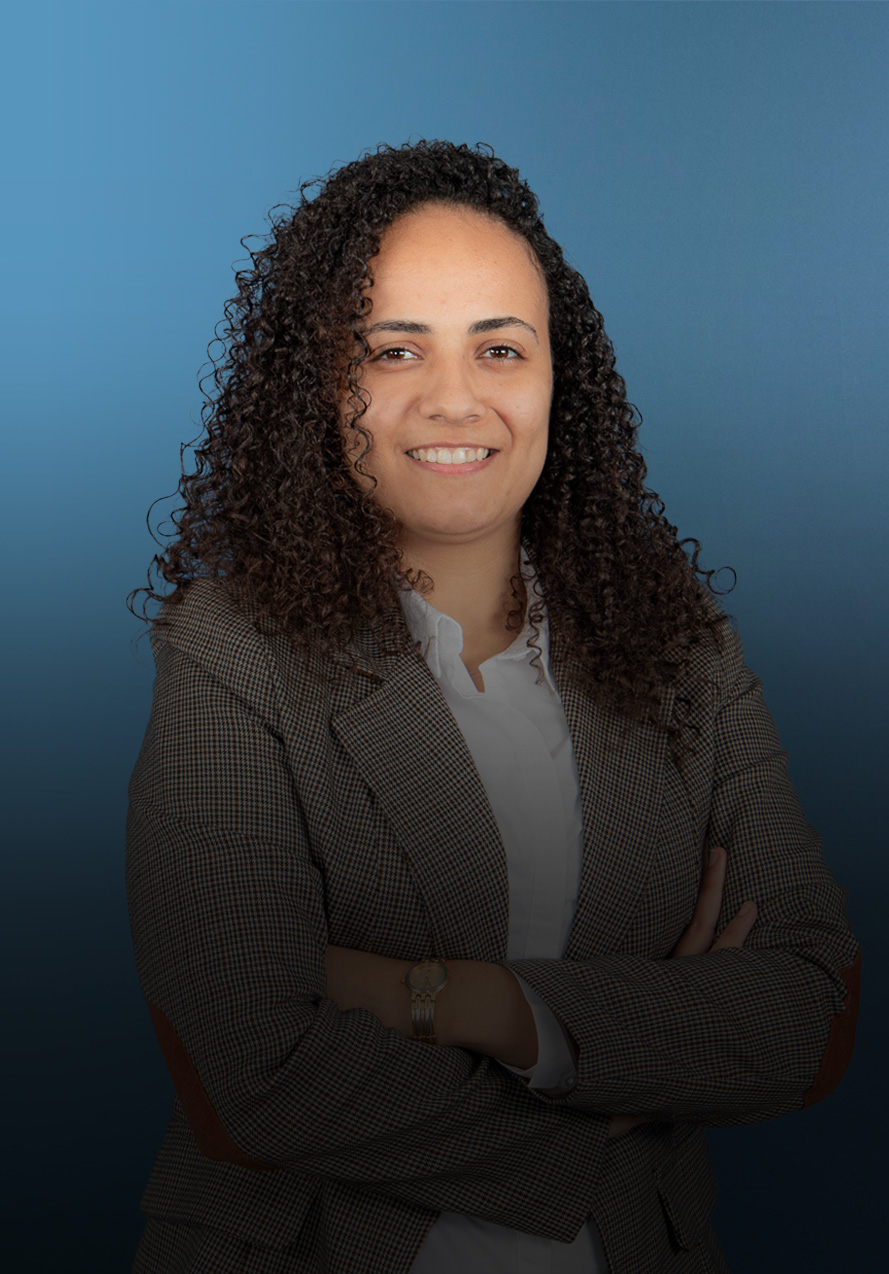
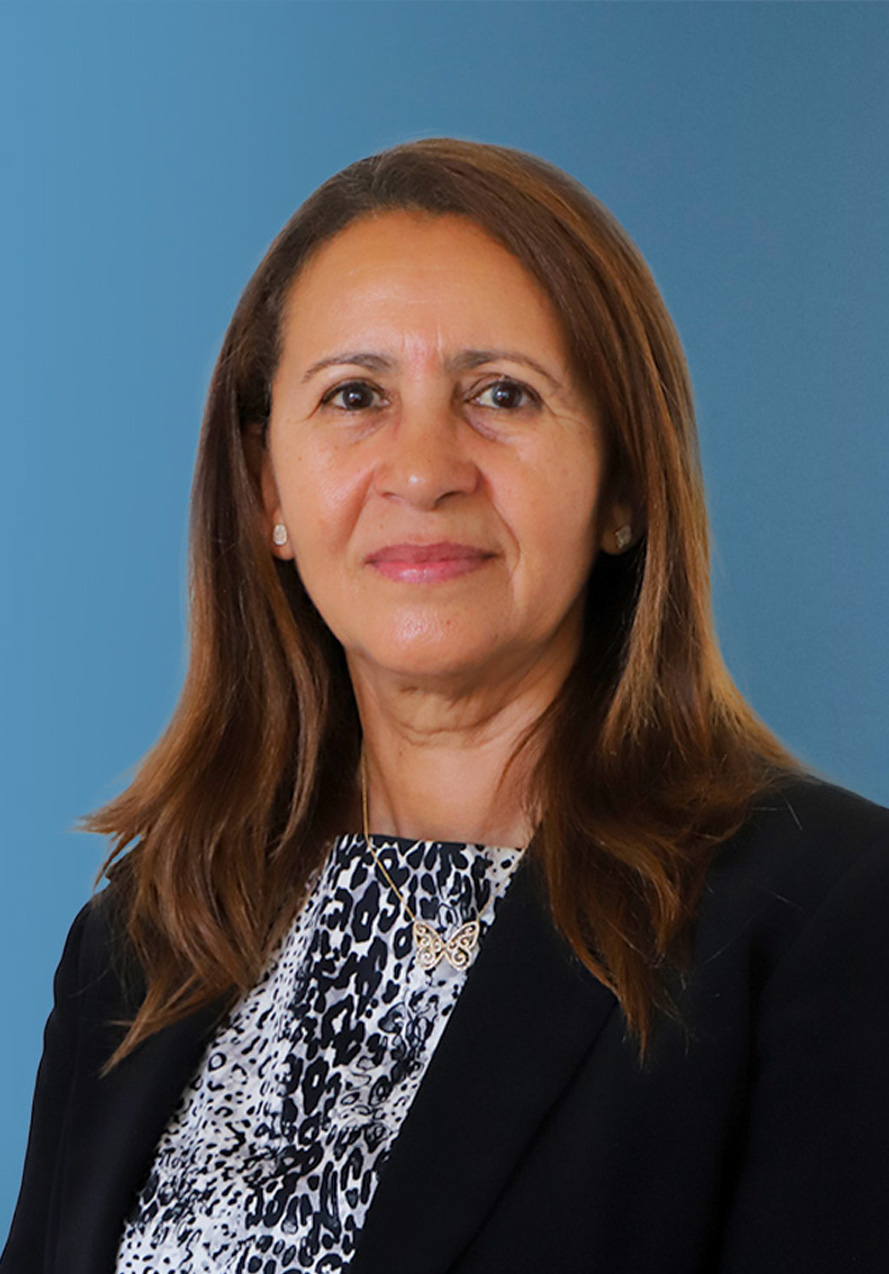
Speakers
Imane Lahrich
Head – Research Valorization
Imane Lahrich is the Head of Research Valorization Department, having previously served as a Partnerships & Research Support Officer at the Policy Center for the New South since 2019. She mainly worked on security-development related projects. She has experience as a Project Manager in a Strategic Intelligence firm (2017-2019) and as a research consultant in the MENA region, focusing on international development and the Rule of Law. Imane Lahrich holds a Master's in Political Studies and a Bachelor's in Political Science from Mohammed V University of Rabat. She also participated in a one-year exchange program at Masaryk University in the Czech Republic under the EMMAG MUNDUS Excellence scholarship.     ...
Nouzha Chekrouni
Senior Fellow
Dr. Nouzha Chekrouni is a Senior Fellow at the Policy Center for the New South. She has extensive experience in academia, diplomacy and political leadership.  She has served as His Majesty’s Ambassador to Canada (2009-2016), and Dean of the Council of Arab League Ambassadors to Canada (2015-2016). Dr. Chekrouni was Minister for the Moroccan Community Living Abroad (2002-2007), a Member of Parliament (2002-2007), and the Minister for Women and Social Issues (1998-2002). She holds a Bachelor Degree from the Philological Faculty at the University of Fez, a Post-Graduate Diploma and a PhD in Linguistics from the Université Sorbonne Nouvelle in Paris. Dr. Chekrouni has also completed a Certificate in Ethics and International Relations at Harvard University. She is a 2016 Sen ...
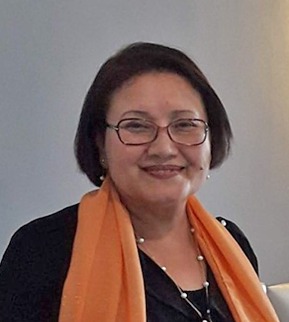
زبيدة الطاهري
خبيرة في التواصل السياسي وعضوة مؤسسة لمنظمة نساء من أجل السلام والوساطة
...

RELATED CONTENT

  • June 26, 2026
    Three years after the adoption of the first National Action Plan (NAP) on the Women, Peace and Security (WPS) Agenda, Morocco has made real institutional progress, but implementation is still inadequate. The extension of the NAP opens a window of opportunity to prepare a second, more ambitious and operational cycle.This Policy Brief identifies four persistent obstacles: a virtually stagnant female employment rate of 19.1%, less than 3% female representation in peacekeeping contingen ...
  • May 20, 2026
    La participation des femmes au marché du travail au Maroc demeure l'un des défis les plus structurels du développement économique et social du pays. Avec un taux d'activité féminin de seulement 19 % en 2023, contre 69 % pour les hommes (HCP, 2024), le Maroc présente l'un des écarts de genre les plus prononcés parmi les économies en développement (Banque mondiale, 2024). Ce Research Paper propose une analyse économétrique rigoureuse et multiniveaux des déterminants de cette participa ...
  • Authors
    Hajar Kabbach
    May 11, 2026
    Closing Morocco's gender employment gap could increase GDP per capita by 40-50 percent; yet female labor force participation stands at just 19 percent—among the lowest in the world and still declining. This policy paper argues that investing in the care economy is not merely a social expenditure, but a productive economic strategy with measurable returns. Drawing on international evidence from Uruguay, Mexico, Colombia, and India, the brief demonstrates that well-designed care syste ...
  • April 30, 2026
    This Africafé episode features Patience Chiradza from the African Union, discussing the critical role of African women in governance and peacebuilding.  It highlights existing frameworks like the Maputo Protocol and acknowledges progress, while emphasizing persistent barriers such ...
  • April 13, 2026
    Cette interview met en lumière les inégalités de genre persistantes au Maroc, malgré des avancées institutionnelles notables. Elle analyse les écarts dans l’accès à l’éducation, à l’emploi, à la santé et à la participation politique. À travers l’intervention de Fatima Mourd, elle soulig...
  • April 9, 2026
    Trois ans après l'adoption du premier Plan d'Action National (PAN) sur l'Agenda Femmes, Paix et Sécurité (FPS), le Maroc affiche des avancées institutionnelles réelles mais une mise en œuvre encore insuffisante. L'extension du PAN ouvre une fenêtre d'opportunité pour préparer un second cycle plus ambitieux et opérationnel.Ce Policy Brief identifie quatre obstacles persistants : un taux d'activité féminine de 19,1% en quasi-stagnation, une représentation des femmes inférieure à 3% da ...
  • March 10, 2026
    بمناسبة اليوم العالمي لحقوق المرأة في 8 مارس، يتناول هذا اللقاء وضعية المرأة القروية في المغرب والتحولات التي عرفها دورها في التنمية الاقتصادية والاجتماعية خلال السنوات الأخيرة. كما يسلط الضوء على مساهمتها الكبيرة في الأنشطة الفلاحية والأسرية، رغم أن جزءاً مهماً من عملها يظل غير مرئي أو...
  • Authors
    Corinne Dufka
    Niccola Milnes
    December 8, 2025
    Although the crises affecting the Sahel have been widely analysed through the lenses of armed groups, state fragility and geopolitics, much less is known about how women experience insurgent governance in their everyday lives. This is particularly pertinent to members of the pastoralist Peuhl ethnic group, which has been strategically targeted for recruitment by the Central Sahel’s dominant Islamist armed group, Jama’at Nusrat al-Islam wal-Muslimin (JNIM), as a means of facilitating ...