Events
COMEXI-PCNS Webinar Series 2026: Hosting the World Cup as a Development Lever: A Comparative Dialogue between Morocco and Mexico
From
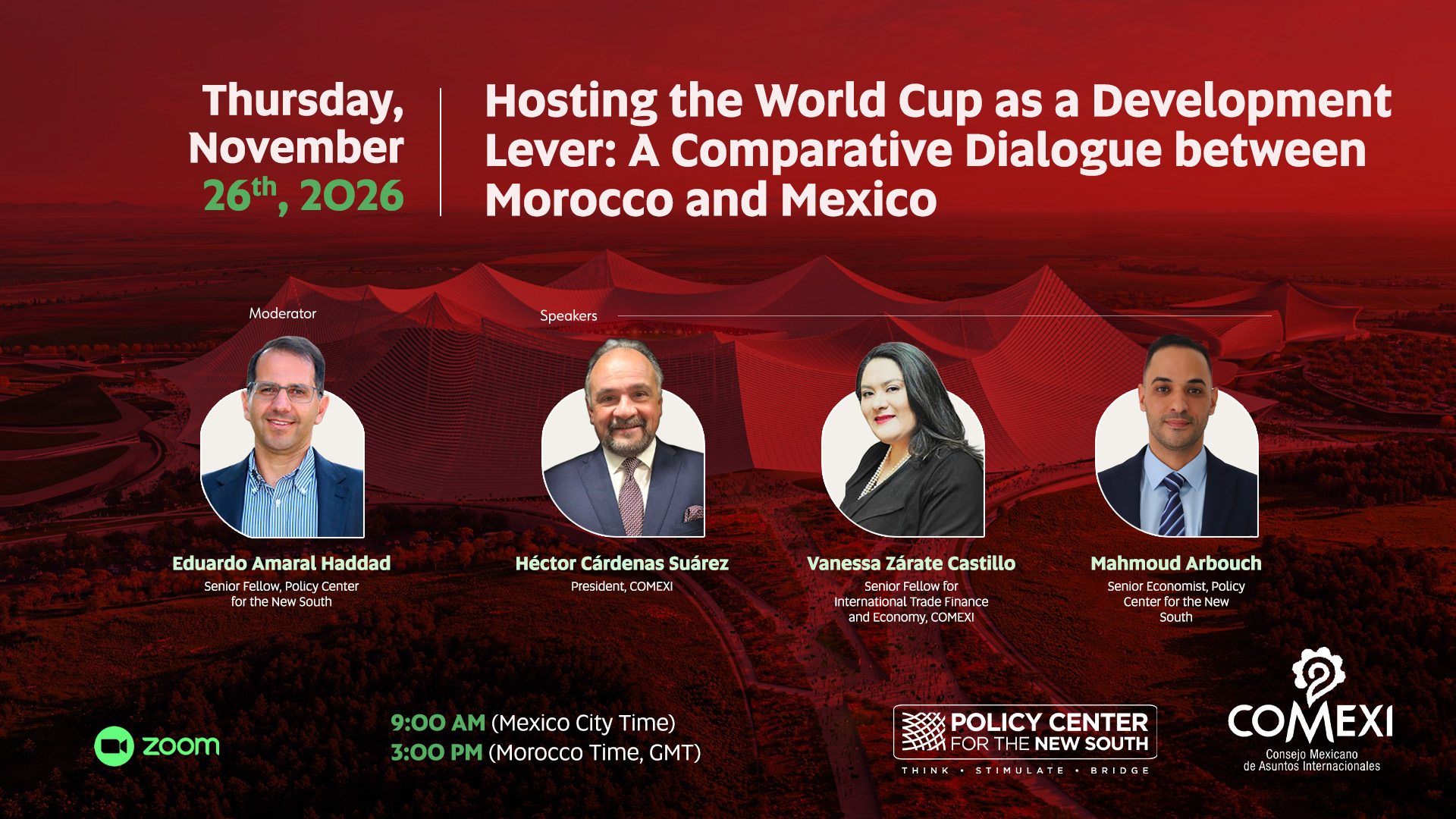
The Policy Center for the New South (PCNS) and the Mexican Council on Foreign Relations (COMEXI) are organizing a joint webinar under the theme “Hosting the World Cup as a Development Lever: A Comparative Dialogue between Morocco and Mexico”, on Thursday, November 26th , 2026, at 9:00 AM (Mexico City) / 3:00 PM (Rabat).
Mega sporting events increasingly serve as instruments of national development strategy. Governments frame the FIFA World Cup not only as a sporting celebration but as a catalyst for infrastructure modernization, urban renewal, tourism growth, and international visibility. Yet the economic record of past tournaments shows that promised windfalls are not guaranteed, and that the lasting value of hosting depends heavily on what is built, how it is financed, and how it is used once the final whistle has blown.
Mexico brings a uniquely long perspective to this debate. As a repeat host of the tournament, and most recently as a co-host of the 2026 edition alongside the United States and Canada, Mexico has accumulated institutional experience across very different eras of World Cup organization. Its trajectory offers lessons on stadium legacy, the management of host cities, security and mobility planning, public-private coordination, and the challenge of turning a short-lived event into durable public benefits.
Morocco is now at the center of preparations for the 2030 edition, which it will co-host with Spain and Portugal in a landmark tournament spanning more than a continent. The country has embarked on an ambitious infrastructure program covering sporting venues, transport networks, airports, tourism capacity, and digital connectivity. The existing literature shows that the economic gains depend strongly on the composition of the investment package, with connectivity-enhancing infrastructure offering stronger long-term returns than event-specific facilities, and that financing conditions, external balances, and post-event utilization will ultimately shape the legacy.
Despite their different regional settings and stages in the hosting cycle, Morocco and Mexico face structurally comparable questions. Both are emerging economies co-hosting with partners of different economic weight, both must reconcile global organizing standards with domestic development priorities, and both must manage public expectations about what the tournament will deliver. This convergence creates a strong case for comparison. Mexico's experience as a recent and repeat host can inform Morocco's choices ahead of 2030, while Morocco's forward-looking planning can offer fresh perspectives on how mega-events are integrated into long-term national strategies.
By bringing together perspectives from North Africa and Latin America, this webinar positions comparison not as an academic exercise but as a practical tool to identify shared risks, policy trade-offs, and opportunities for maximizing the developmental legacy of hosting the World Cup.
Agenda
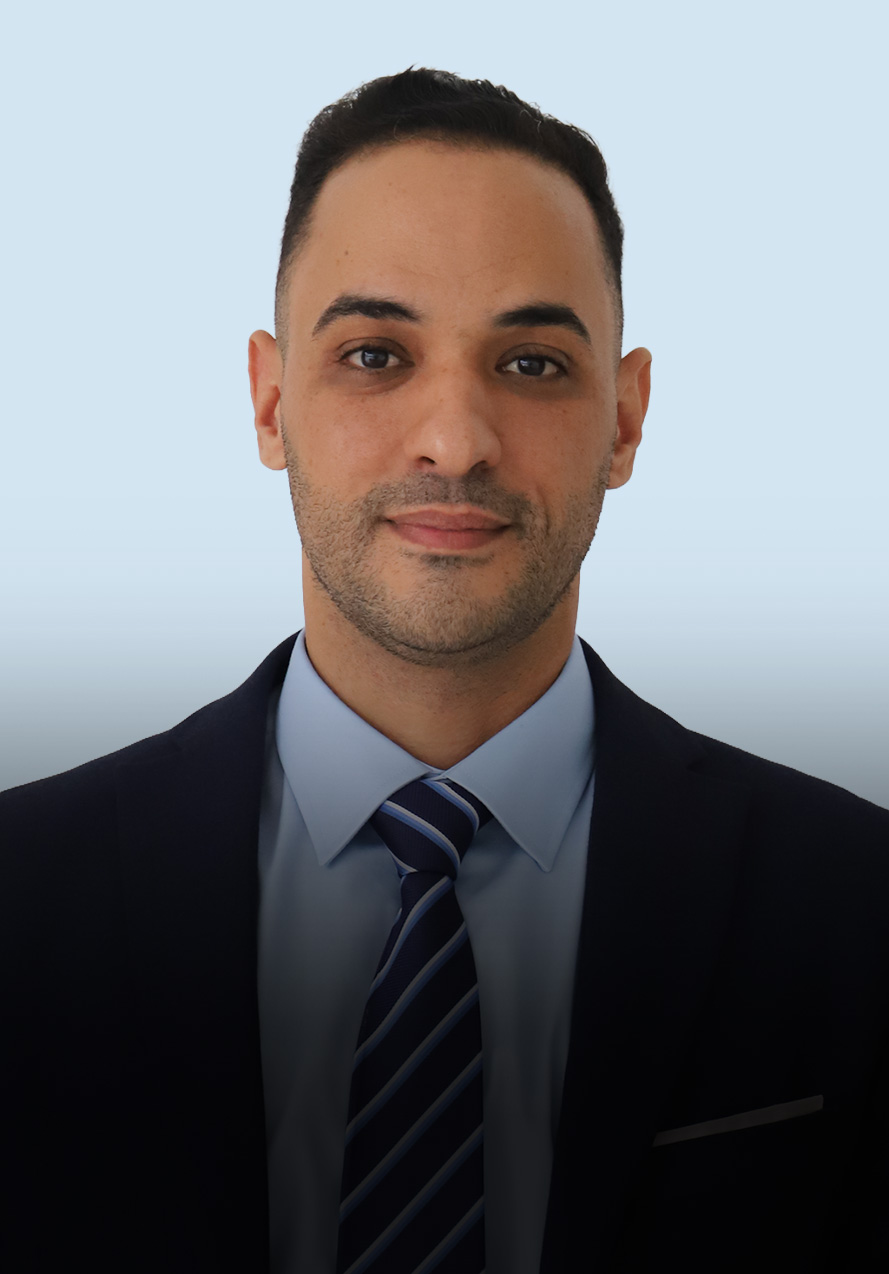
| 15:00-15:05 | Welcome and Introduction of Topic and Speakers Moderator: Eduardo Amaral Haddad, Senior Fellow, Policy Center for the New South |
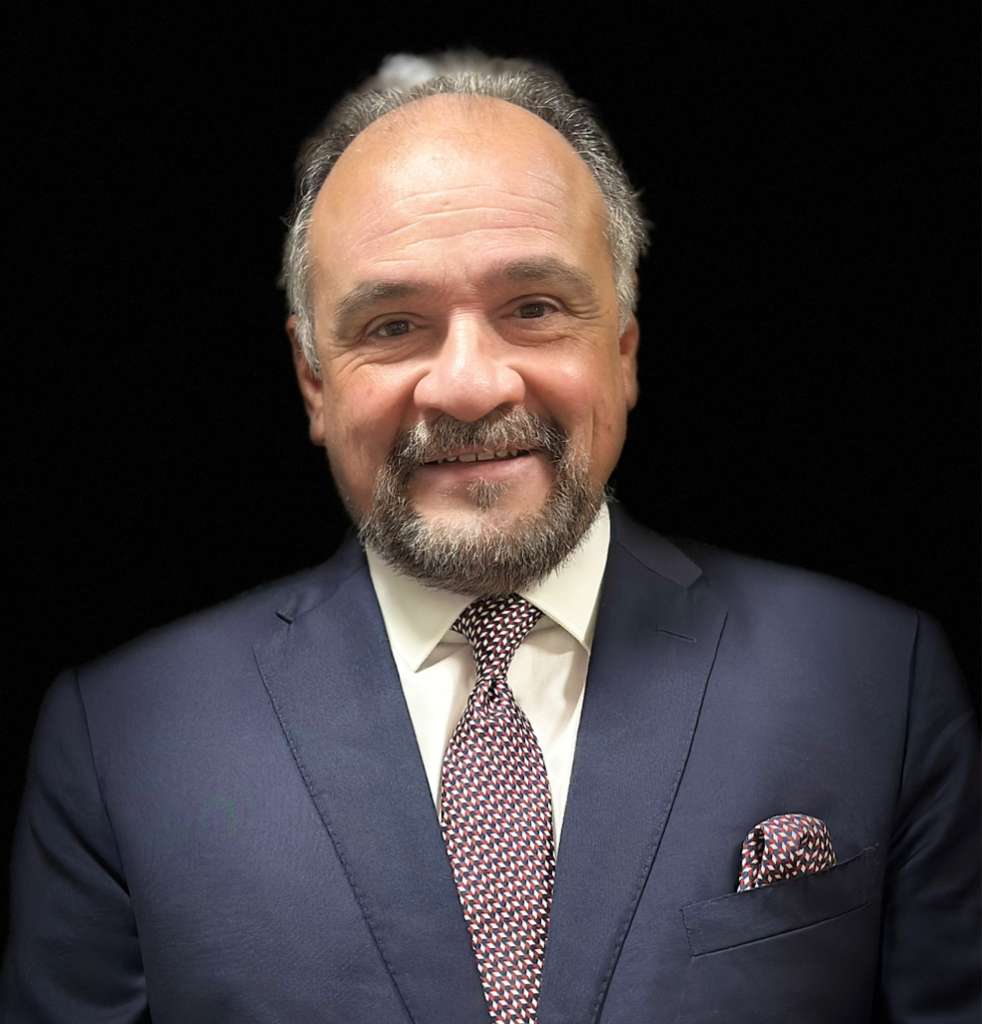
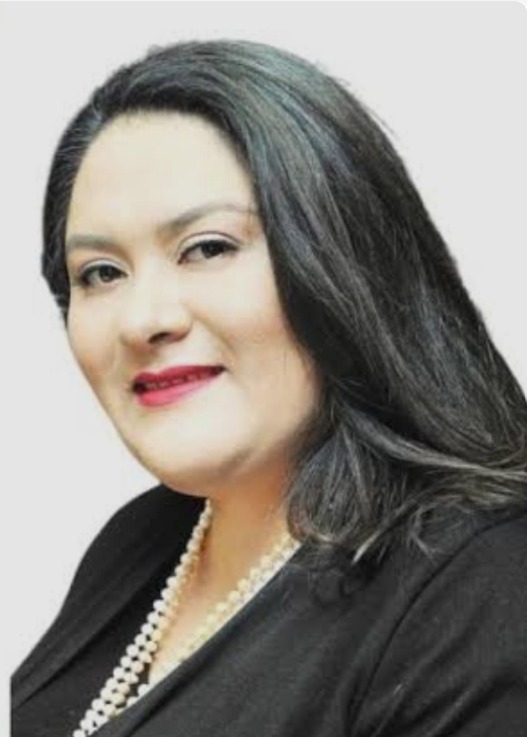
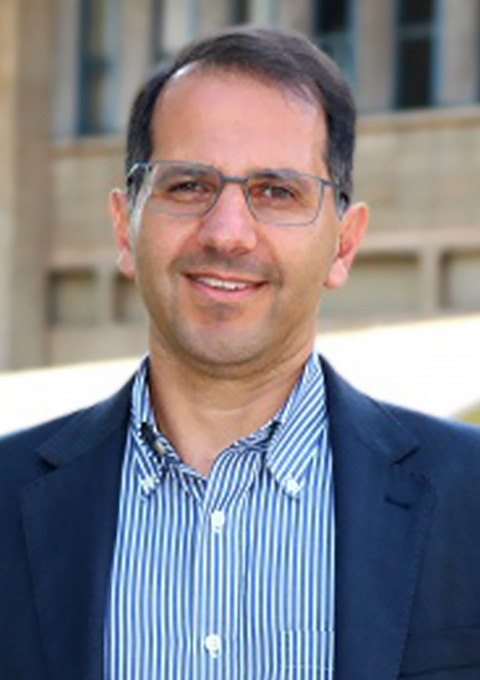
| 15:05-15:15 | Opening Remarks Speakers: Héctor Cárdenas Suárez, President, COMEXI Vanessa Zárate Castillo, Senior Fellow for International Trade Finance and Economy, COMEXI Mahmoud Arbouch, Senior Economist, Policy Center for the New South |
| 15:15-16:25 | Moderated Discussion |
| 16:25 – 16:30 | Closing Remarks |